

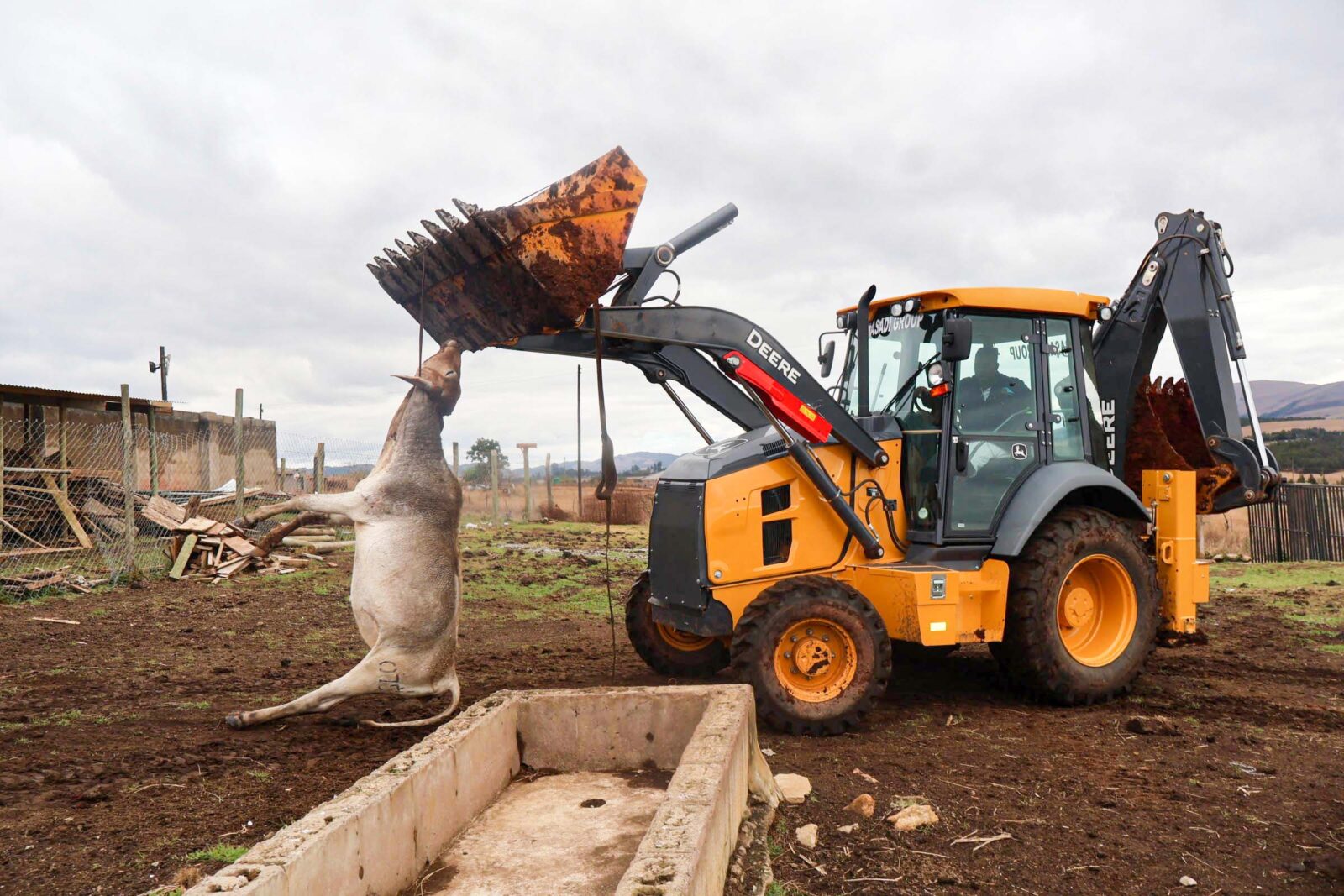
HAWANE – A brutal cold snap has killed cattle in Hawane, leaving smallholder farmers counting losses of more than E60 000.
The losses followed an early-week cold front that brought freezing temperatures, heavy rainfall and strong winds to parts of Eswatini, according to the Eswatini Meteorological Service.
In Hawane, temperatures dropped to as low as 4°C, with farmers reporting severe frost and conditions they described as among the worst they had experienced.
The extreme weather also prompted emergency measures in affected areas, with more than 100 vulnerable residents reportedly moved to safety.
For livestock farmers, however, the cold brought devastating losses.
One farmer, Buyisile Shabangu, lost one cow during the freezing spell.
Shabangu said her cattle had been healthy before temperatures suddenly deteriorated.
She said the animals had been taken out as usual, but the temperature dropped sharply during the day.
“When we returned, we found that one cow had fallen. We tried to build a shelter and light a fire to keep it warm, but it died during the night. You couldn’t even stand outside for two minutes because of the cold,” she said.
Shabangu said the loss was particularly painful because cattle were a crucial source of income for families in the area.
“A cow like this could be sold for E8 000 to E9 000. That money helps us pay school fees for our children when schools open. This is a very big loss because we depend on cattle for our livelihood here in Eswatini,” she said.
The farmer said that in her three decades of living in Hawane, she had never experienced weather severe enough to cause such livestock losses.
She called on government to educate farmers on protecting livestock during extreme weather and assist them with constructing proper shelters.
Another farmer, Maureen Gabuza, woke up on Wednesday to find two dead cows outside her kraal.
One belonged to her and was pregnant, while the other belonged to the nearby KaJele homestead.
Gabuza said the animals appeared to have died after exposure to the cold and wet conditions.
“I usually sell my livestock to sustain my family and prepare for the farming season, particularly to pay for tractor plowing and essential agricultural supplies. That cow alone was worth around E8 000,” she said.
She said she had suffered similar losses in 2010, when harsh winter conditions killed some of her cattle.
Her strawberry farm was also severely affected by the latest weather.
Gabuza blamed poor grazing land, which is frequently affected by severe seasonal burning, for making it increasingly difficult to keep livestock alive.
She called for government intervention to help smallholder farmers recover from disasters.
“Instead of just temporary relief, government assistance in the form of female calves would help farmers like us rebuild our herds and regain financial independence when disastrous losses like this occur,” she said.
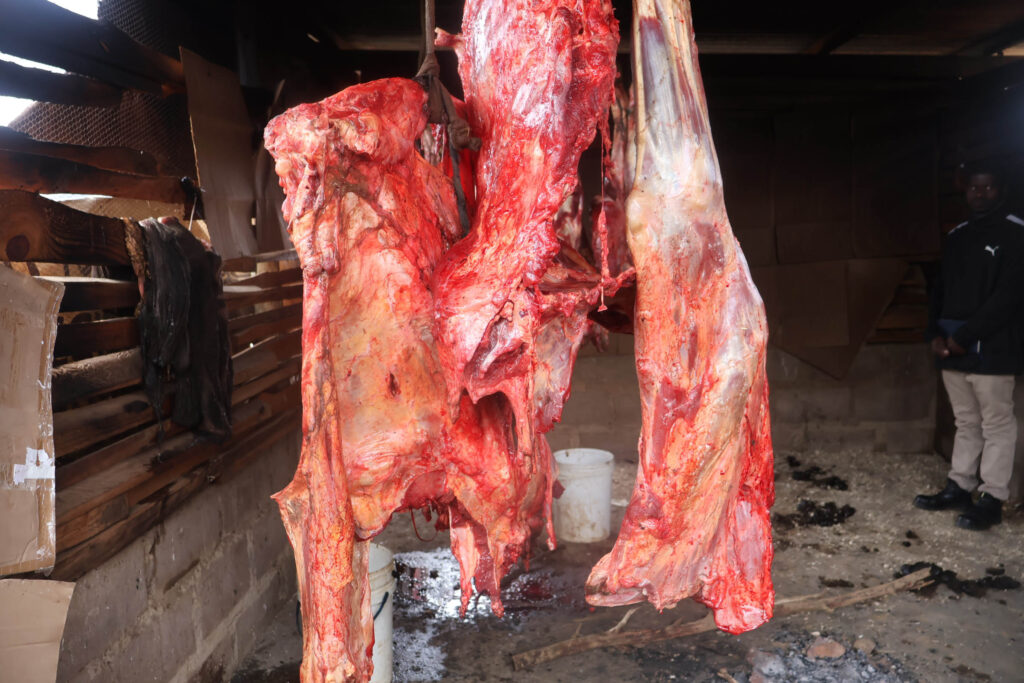
Meanwhile, farmer Mnikeni Ndzabukelwako lost five cattle after finding them dead while preparing to take his herd to the local dip tank on Wednesday morning.
He said the animals had severely swollen bellies, leaving him convinced there was no chance of recovery.
Ndzabukelwako estimated the value of the cattle, including an unborn calf, at more than E60 000.
“In total, I lost about five cattle, but if you count the unborn calf from a pregnant cow that was close to calving, it comes to six. We are facing a massive loss of more than E60 000 or more, especially when you factor in the calves,” he said.
He said he had never witnessed such severe cold wiping out livestock on this scale.
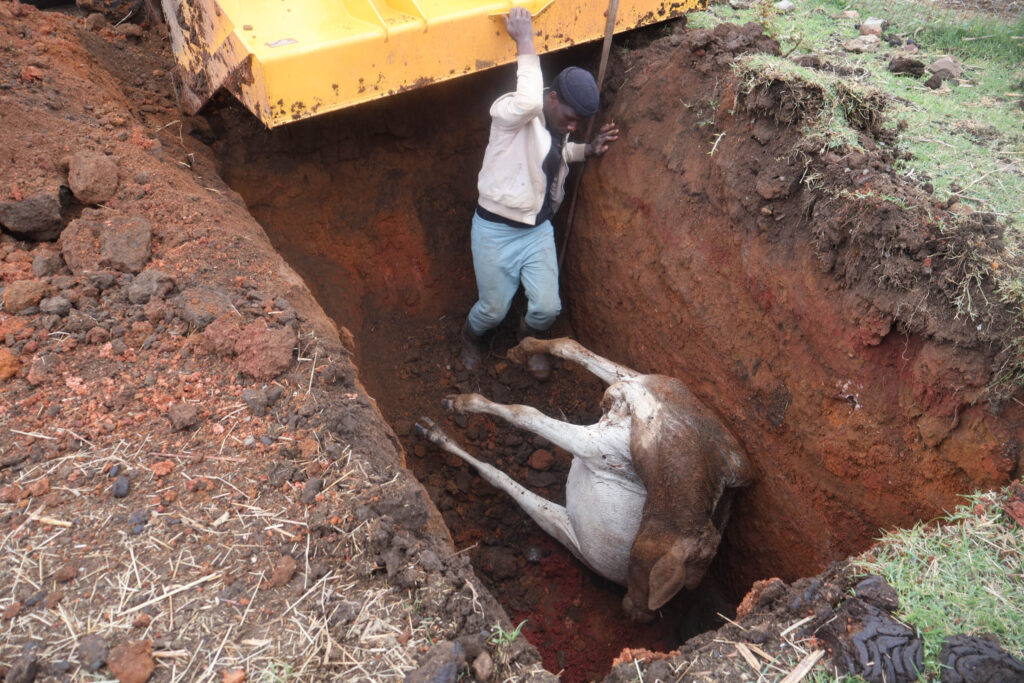
Another Hawane community member reportedly lost about 20 cattle, which were subsequently buried. Attempts to reach the farmer for comment were unsuccessful.
The reported deaths have left farmers calling for longer-term government assistance to protect livestock and rebuild herds after extreme weather events.



















Leave a comment