

MANZINI – Eswatini recorded about 4 220 new HIV infections in 2024, an increase from approximately 4 000 cases in the previous impact measurement survey, raising fresh concern over the country’s ambition to achieve zero new infections by 2030.
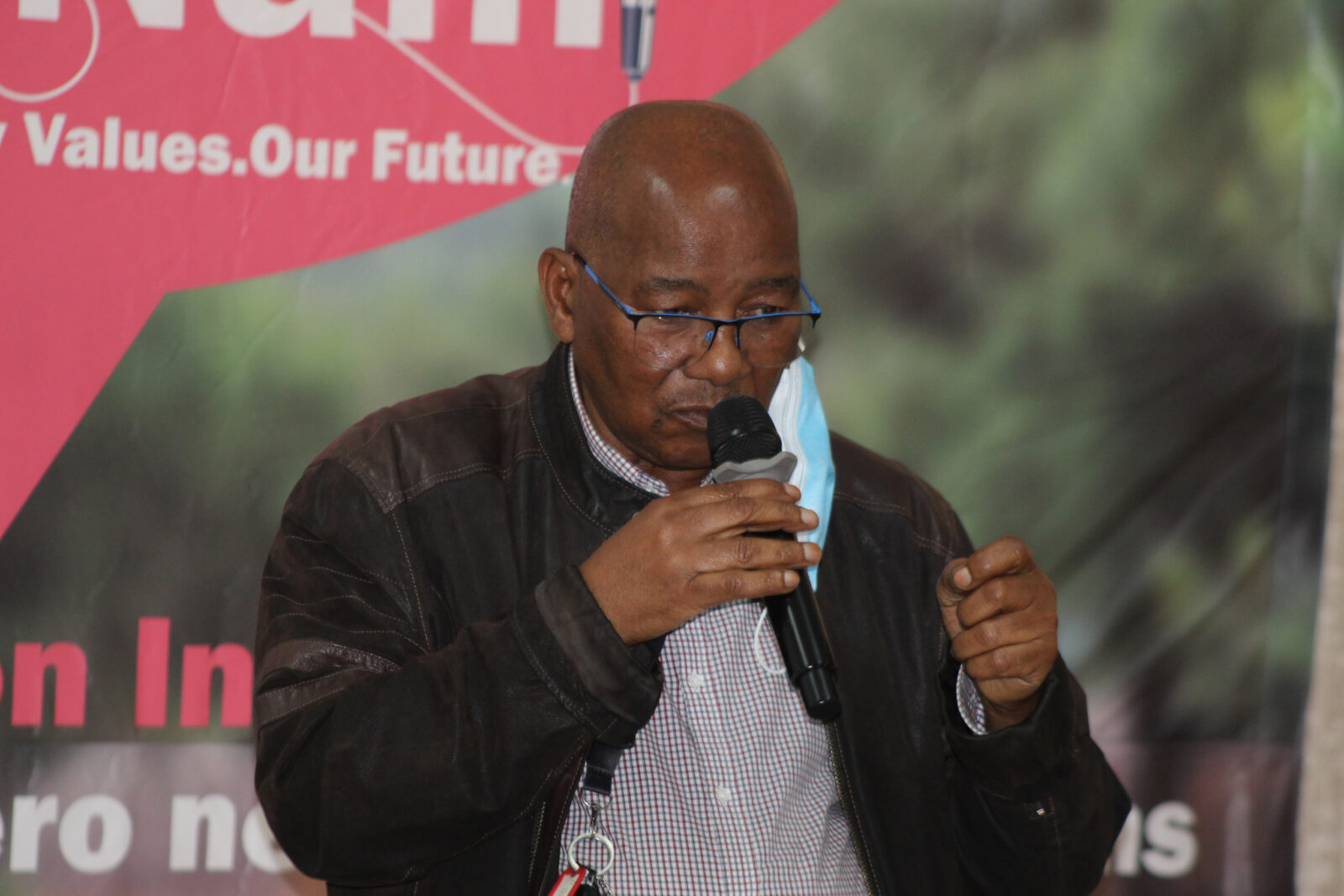
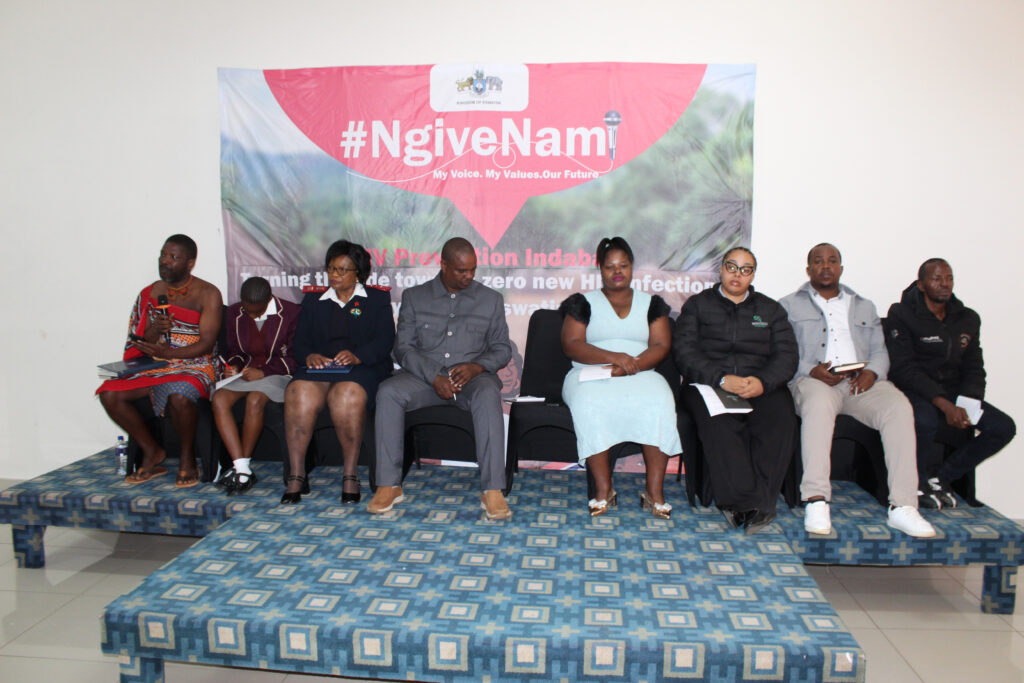
The figures were presented during the HIV Prevention Indaba at The George Hotel in Manzini, hosted by NERCHA. Research focal person Dr Mfundi Motsa presented findings from a community-centred study examining the barriers and enablers affecting HIV prevention across the country.
The increase in new infections emerged as one of the major concerns underpinning the study. According to the presentation, Eswatini continues to face a high burden of new HIV infections, particularly among young people, adolescent girls and young women (AGYW), as well as key populations.
The study argues that although the country has invested in combination HIV prevention strategies, structural and social barriers continue to undermine efforts to reduce new infections.
The latest figure of about 4 220 infections represents an increase from the approximately 4 000 infections recorded in the previous impact measurement survey.
The development comes at a time when Eswatini is seeking to turn the tide towards zero new HIV infections by 2030.
The researchers therefore argue that prevention strategies need to become more innovative, people-centred and community-led.
The study involved 1 284 participants from different population groups across Hhohho, Manzini, Lubombo and Shiselweni.
The research was conducted between November 2025 and February 2026 and sought to understand people’s lived experiences of HIV prevention, including barriers to accessing services and factors increasing vulnerability. The presentation found that social barriers remain a major concern.
Among in-school youth, researchers identified a breakdown in communication between parents and children about sex-related matters.
Participants said hostile parenting did not necessarily stop young people from engaging in relationships but could instead prevent them from telling their parents about those relationships.
The study, therefore, recommends strengthening parent-child communication platforms. Young people also highlighted the need for prevention services that are easier to access. The presentation identifies distance and stigma as barriers to accessing HIV services and records a strong demand for youth-friendly prevention services. It recommends decentralising HIV services to campuses and communities and expanding youth-friendly service delivery models.
The study also identified persistent risky sexual behaviour despite awareness of HIV.
Out-of-school youth spoke about risky sexual encounters in environments such as nightclubs and taverns, where participants said condoms may be available but may not always be considered during spontaneous sexual encounters.
The researchers therefore recommend context-responsive prevention strategies that address behaviour, morals, values and high-risk settings.
The study also found that stigma and discrimination continue to affect HIV prevention.
Key populations reported experiences of discrimination, while transgender participants described discrimination from families, healthcare workers, essential service providers and society.
One participant said they had reached a point where they preferred suffering rather than visiting healthcare facilities because of previous experiences. Economic vulnerability was another major theme.
Sex workers identified unemployment as a major driver of their engagement in sex work, while women aged 25-34 described financial pressure that could result in condomless sex.
The researchers consequently recommend economic strengthening strategies that can reduce vulnerability to HIV infection. The study further calls for increased domestic financing for HIV prevention.
The presentation notes that funding towards HIV response has dwindled and argues for new strategies that can promote greater national ownership.
Policymakers, parliamentarians and donors called for the country to build its own domestic funding base so that national priorities can determine how the HIV response is implemented.
The presentation ultimately argues that reversing the increase in new infections will require more than HIV awareness campaigns. It calls for communities to participate in designing, testing and disseminating HIV prevention messages, with feedback mechanisms allowing communities to continuously shape the response.
It also recommends integrating HIV prevention into education, economic strengthening, faith-based, workplace and community development programmes.
With approximately 4 220 new infections recorded in 2024, the study makes clear that the road to zero new infections by 2030 will require a prevention response that addresses not only individual behaviour but also poverty, stigma, communication, service accessibility and sustainable financing.



















Leave a comment