


… celebration of cultural pride, unity
It is that time of the year once again, a breathtaking celebration of youth, cultural identity and royal heritage.The Umhlanga Ceremony (Reed Dance), Eswatini’s most attended annual cultural event, offers travellers an extraordinary glimpse into centuries of preserved Swati tradition. Spanning eight days in late August and early September, with the grand Main Day taking place on August 31, this unforgettable event gathers tens of thousands of young, unmarried liSwati women (the Imbali Regiment) from every corner of the kingdom. Together, they gather to honour the Queen Mother (Indlovukazi) in a stunning display of unity, solidarity and national pride.
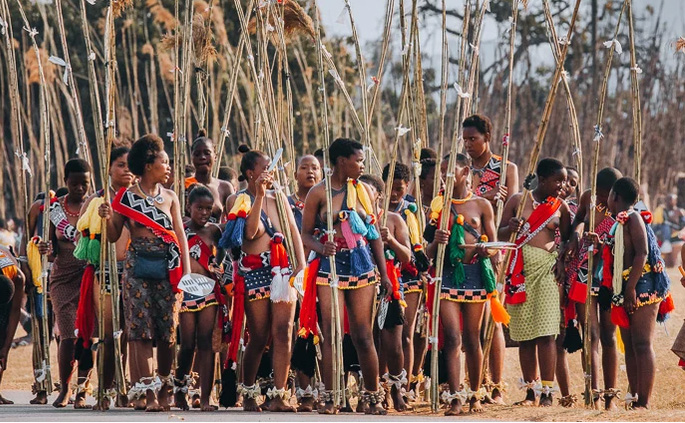
At the heart of the ceremony is a royal tribute: The maidens harvest tall, sturdy river reeds and carry them back to the Ludzidzini Royal Residence to repair the protective windbreak surrounding the Queen Mother’s homestead. Beyond its deep cultural roots, the ceremony serves as a rite of passage, fostering discipline, sisterhood and community pride among young women.
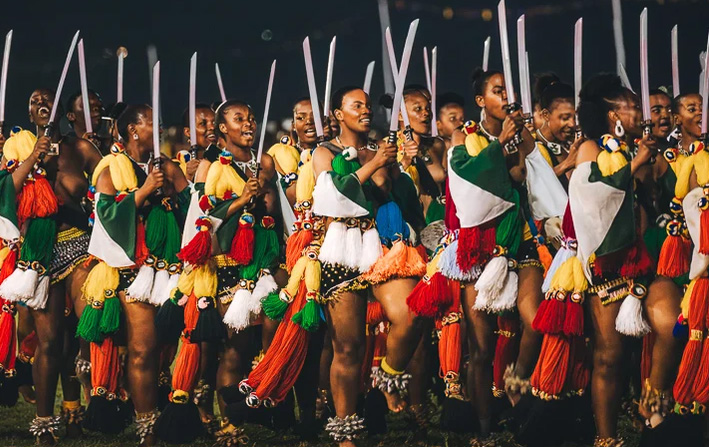
On the Main Day of the ceremony, through rhythmic songs and dynamic dance routines passed down through generations, Imbali bring ancient oral histories and traditions vividly to life.Witnessing this sea of colour, song and joyful energy in person is one of the most captivating cultural spectacles; bringing the beauty of Swati culture to life.



Sequence of the eight-day ceremony
• Days 1–2: Maidens register at Ludzidzini, organised into regiments led by Ingaja and receive assignments for reed-cutting locations.
• Days 3-4: Imbali walk to designated reed beds (often walking dozens of kilometres), harvest mature reeds using sickles and bundle them.
• Day 5: The maidens march back to the royal residence to present their reed bundles to the Queen Mother.
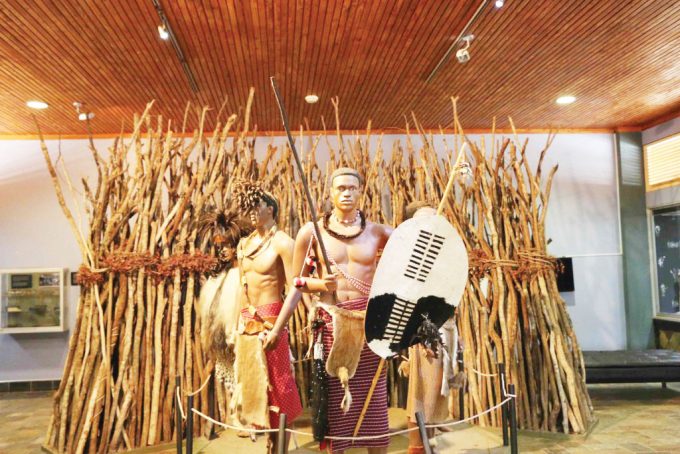
• Days 6-7: The regiments dress in vibrant traditional regalia: Emahiya, tindlamu(beaded skirts), umgaco, emagcebesha, emacandza (waist beads), umjijimba, lihawu(shield) and emafahlawane (leg rattles) and emacakala (anklets) and perform in front of Their Majesties the King and Queen Mother, dignitaries and spectators at the arena.
• Day 8: The ceremony concludes with the slaughter of cattle hosted by His Majesty to thank the regiments.













Leave a comment