

MANZINI – Eswatini is set to receive an additional 13.5 megawatts of locally generated electricity in January when the Lower Maguduza Hydropower Project becomes fully operational, providing a boost to efforts to reduce the country’s dependence on imported power.
The development comes as the country seeks to address electricity supply constraints and increase domestic generation capacity as part of its drive towards greater energy self-sufficiency.
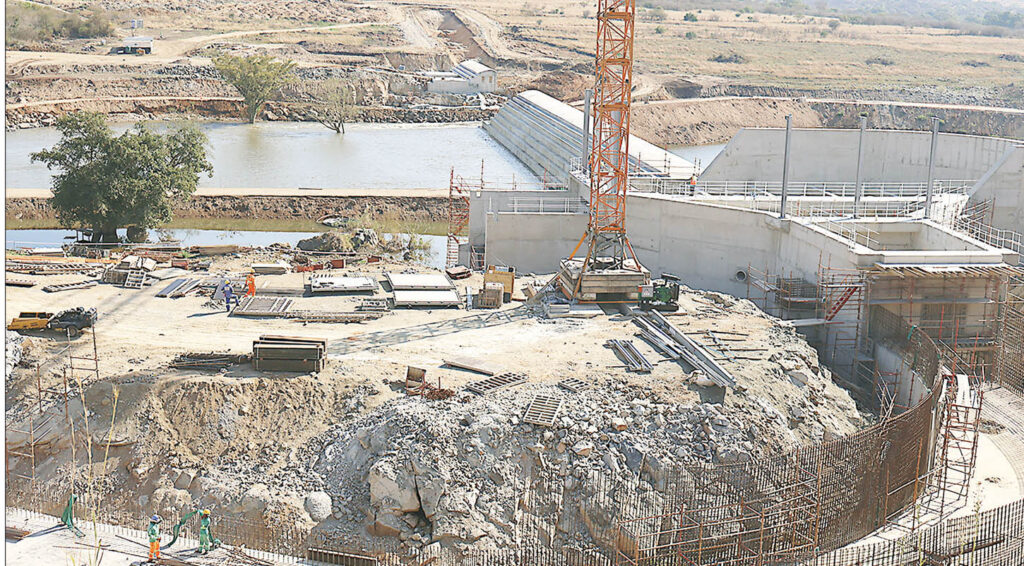
Located downstream of the existing Maguduza Power Station along the Usuthu River near Sidvokodvo, the Lower Maguduza project has two generating units of 6.75MW each, giving it a combined installed capacity of 13.5MW. It is expected to generate about 67 gigawatt-hours of electricity annually. The project is being constructed by Inyatsi Construction, alongside Anthem, with Inyatsi as the main contractor.
The additional generation is significant as government works towards achieving greater energy self-sufficiency by 2030. Lower Maguduza is among several projects expected to increase domestic generation, alongside solar, biomass, the Maguga hydropower expansion and other planned developments. The 13.5MW project is expected to increase Eswatini’s local power generation by about 20 per cent, with all electricity generated supplied to the national grid through the Eswatini Electricity Company.
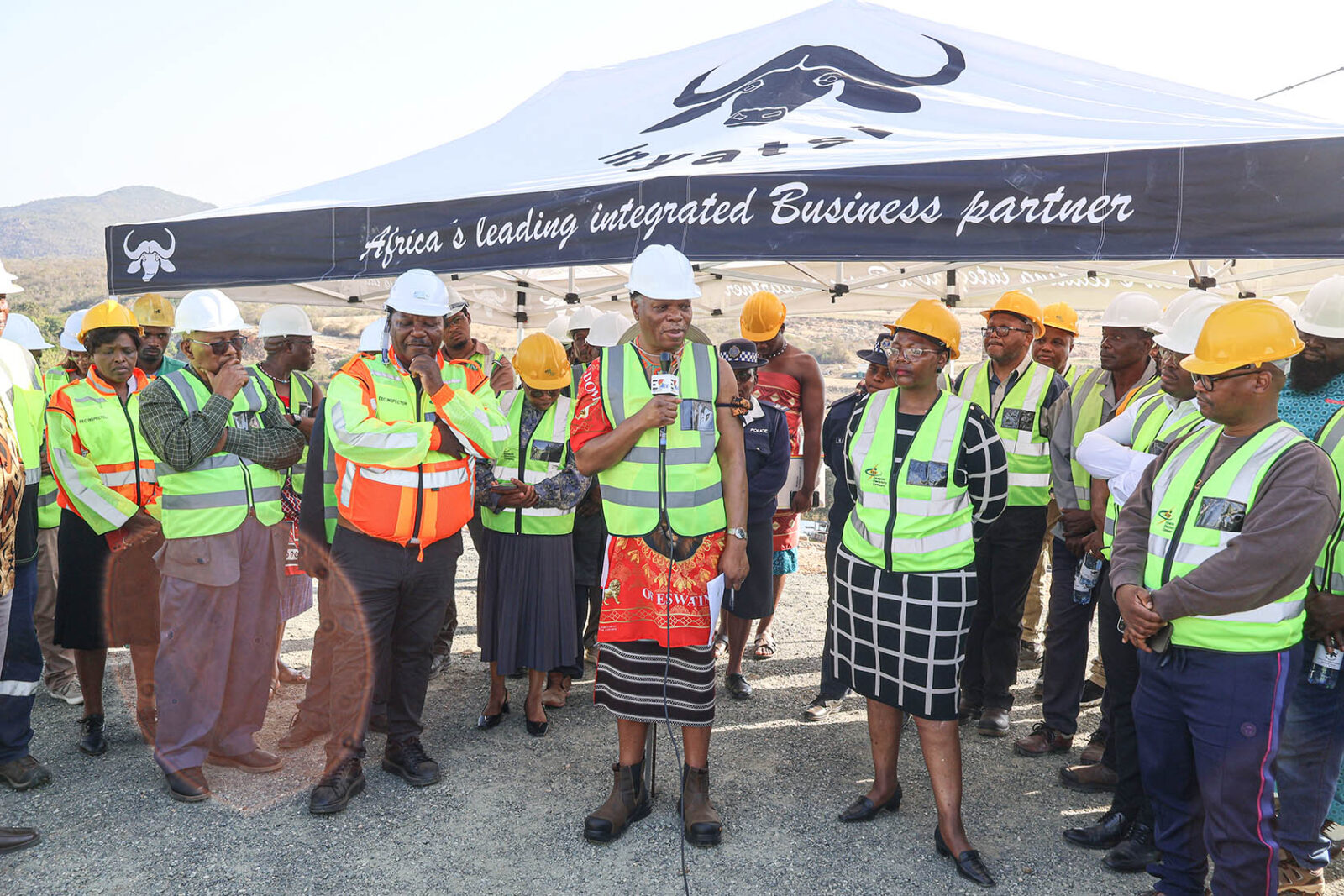
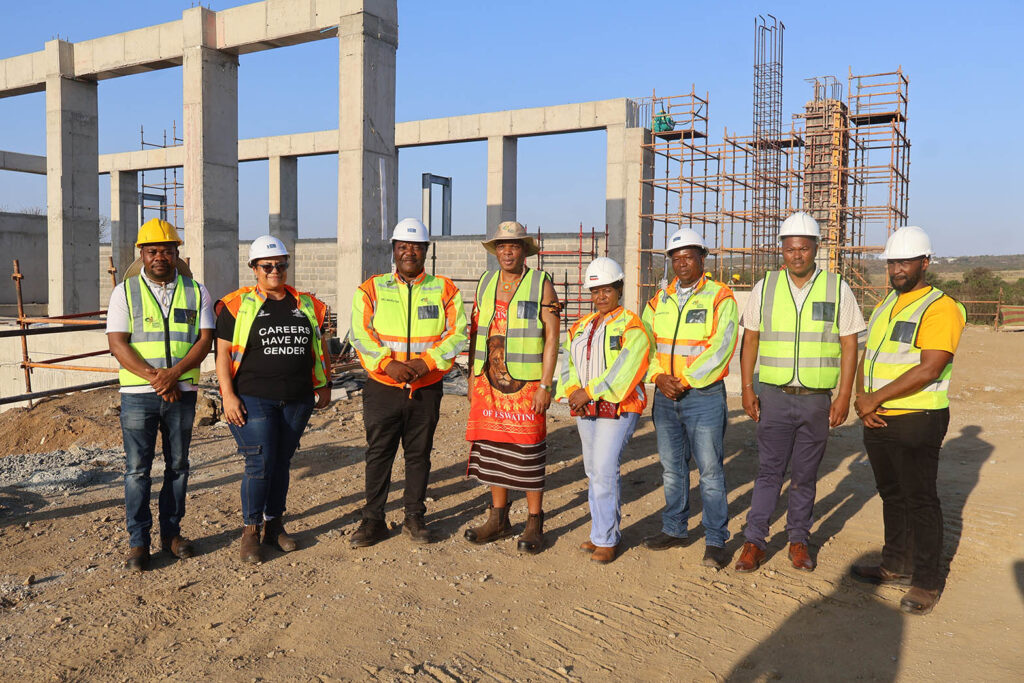
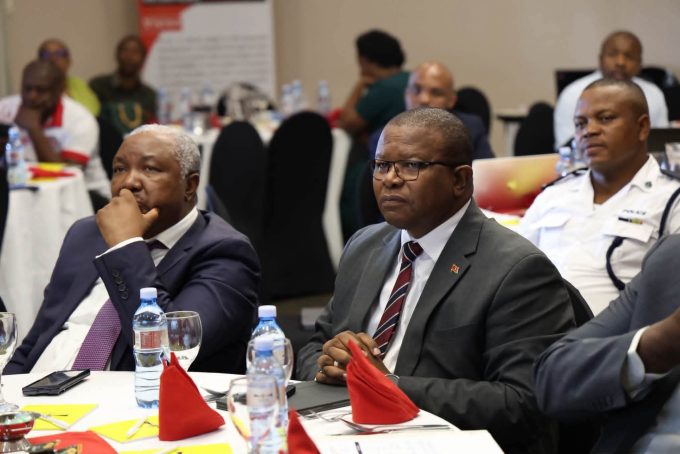
The significance of the project was highlighted during a tour of the Lower Maguduza Hydro-power Scheme and the Ferreira Canal refurbishment on Monday by Minister for Natural Resources and Energy Prince Lonkhokhela.
The minister said projects such as Lower Maguduza were critical to strengthening domestic generation and improving the reliability of the national electricity system. He, however, admitted that the cost of electricity in Eswatini remains very high, saying the country needed to invest in local generation and improve the efficiency of existing infrastructure to address challenges within the electricity sector.
Prince Lonkhokhela said reliable and affordable electricity was fundamental to economic development, industrialisation, job creation and improving the quality of life of emaSwati.
According to the minister, Lower Maguduza demonstrated the country’s potential to make better use of its indigenous energy resources while creating a foundation for future generation capacity. “Projects of this nature are particularly important because they increase our ability to generate electricity locally and, consequently, strengthen national energy security,” the minister said.
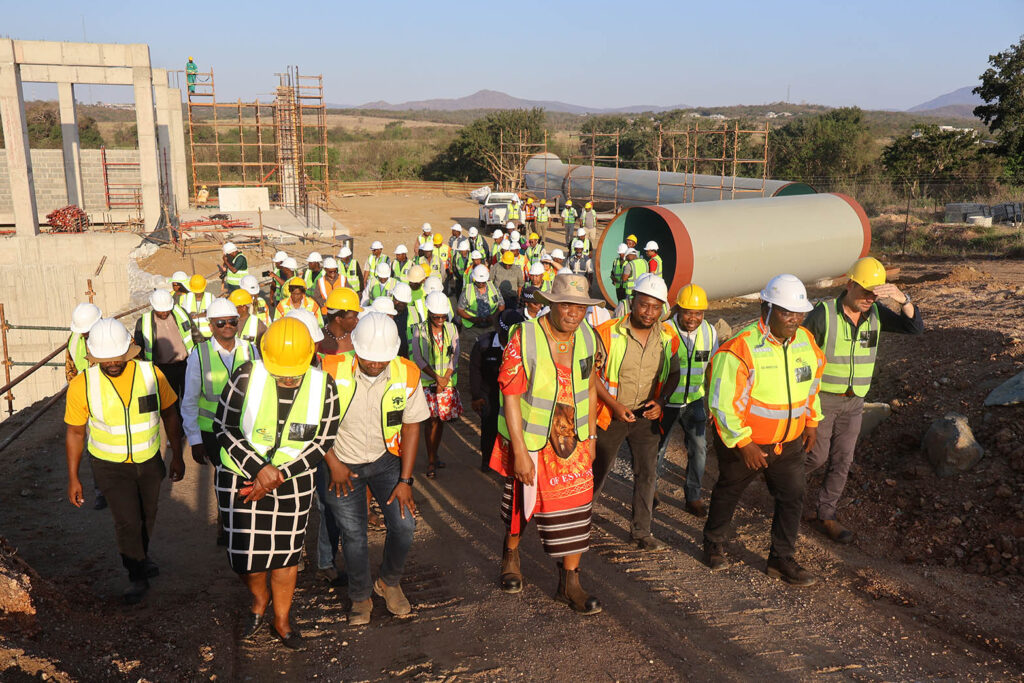
He urged the project team to maintain momentum towards completion while ensuring that safety, quality and long-term sustainability were not compromised in the rush to meet timelines.
Government has previously stated that historical reliance on imported electricity had contributed to pressure on the power system. The country is now seeking to increase domestic generation and reduce its exposure to external supply constraints.
Rather than relying on imported electricity to meet growing demand, Lower Maguduza will harness the natural flow of the Usuthu River to generate renewable electricity locally. The project is a run-of-river scheme, meaning it uses the natural flow of the river to generate electricity before returning the diverted water to the river system.
Lower Maguduza is also significant because it represents privately financed investment in the country’s hydropower sector. financing for the 13.5MW project reached financial close in 2025, with the project backed by African Clean Energy Developments, the IDEAS Fund and the Eswatini Public Service Pensions Fund.
Lower Maguduza will not eliminate the country’s dependence on imports on its own, but its 13.5MW capacity and expected annual production of about 67GWh represent a significant addition to the national grid.

















Leave a comment