

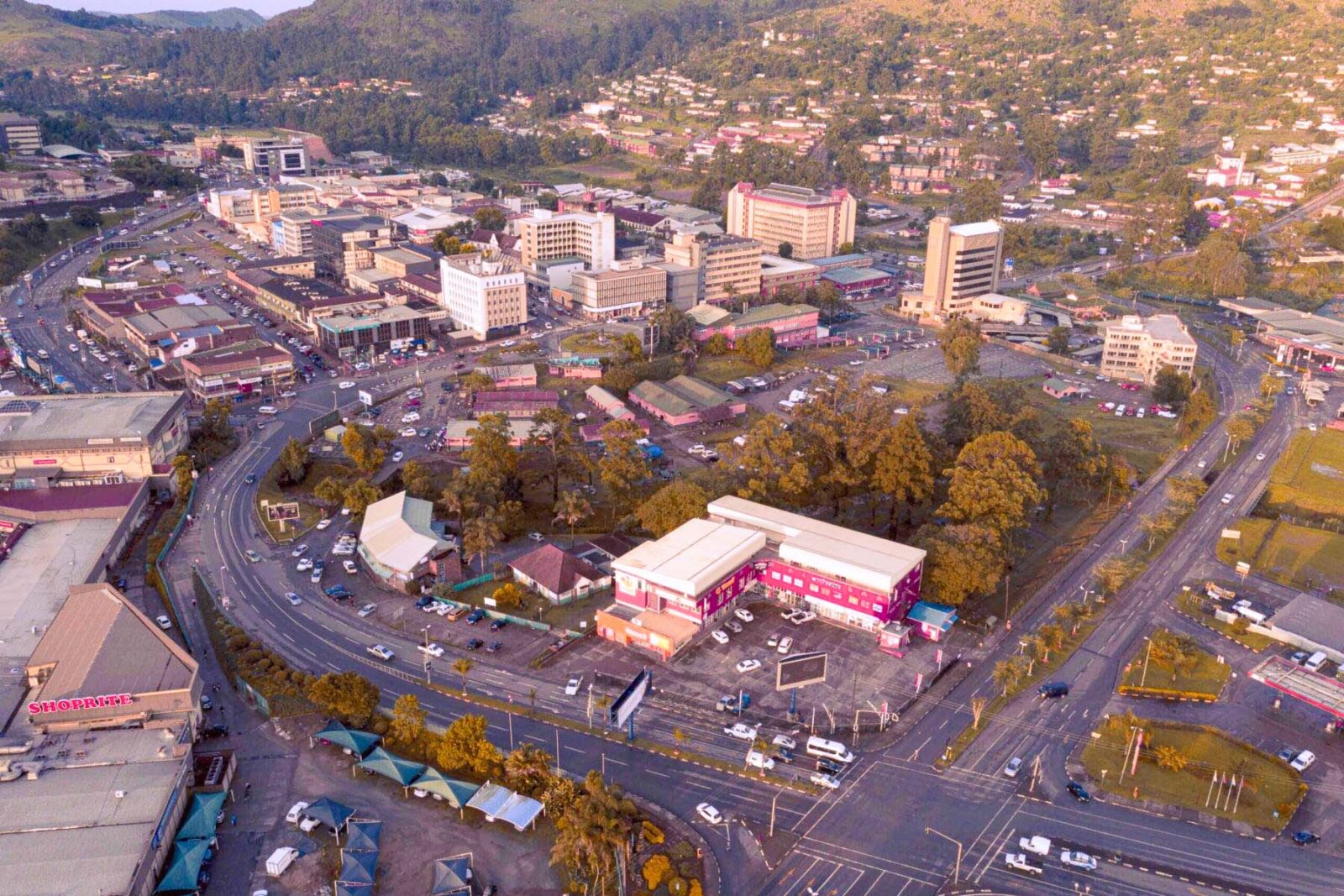
MBABANE – The Municipal Council of Mbabane (MCM) is seeking to reposition the capital city as a more competitive, investment-ready and business-friendly economic hub.
The aim is to do that through the development of a new Economic Development Strategy (EDS) covering the period 2026 to 2030. This comes at a time when the city continues to experience an exodus of businesses, with the municipality acknowledging that several structural and economic factors are weighing on Mbabane’s ability to retain businesses, attract new investment and generate employment.
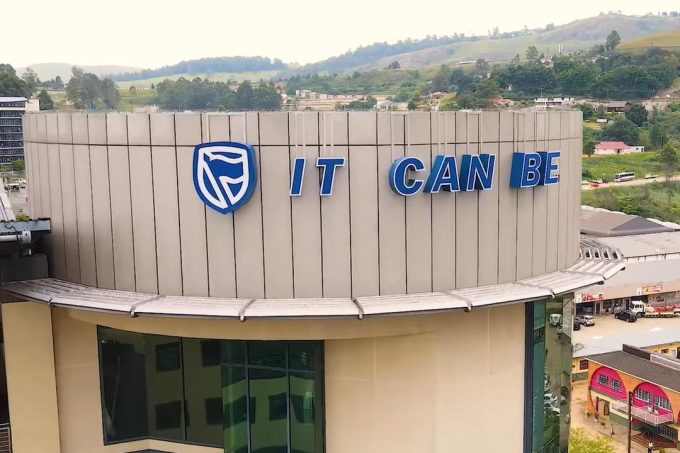
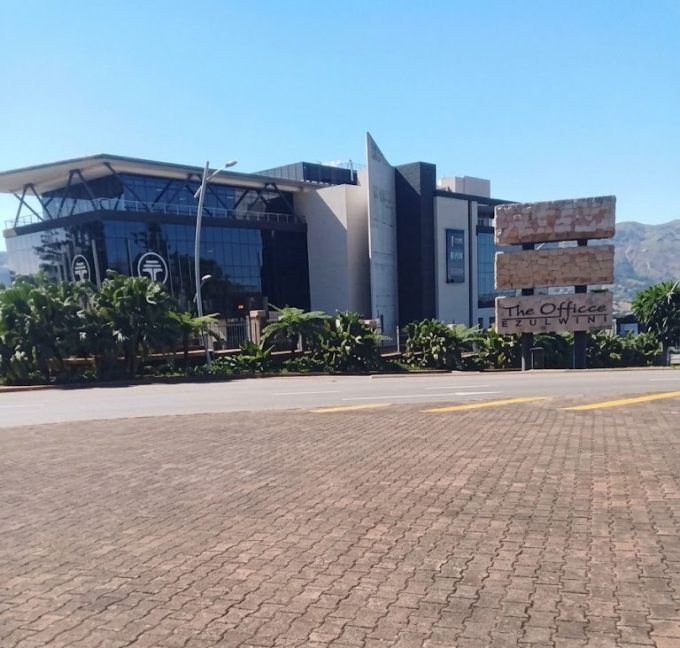
The city has seen some businesses leaving to settle or build their new state of art headquarters in Ezulwini. The most recent one is the Central Bank of Eswatini (CBE), FNB Eswatini, Eswatini Communications Commission (ESCCOM), Eswatini Revenue Service (ERS) and MTN Eswatini.
Apart from these businesses, Ezulwini has seen the construction of the multi-billion Emalangeni International Convention Centre (ICC) now known as the Ezulwini Palazzo.
The council recently invited proposals from suitably qualified consultants to undertake a comprehensive review and development of the Mbabane Economic Development Strategy 2026–2030.
The proposed strategy is expected to respond to changing economic conditions, evolving urban dynamics and emerging development priorities, while providing the municipality with a practical roadmap to stimulate local economic growth.
According to the municipality, the economic landscape has changed significantly since the adoption of its 2019 Local Economic Development (LED) Strategy.
The changes include slow economic growth, estimated at an average of between 2.5 and three per cent, according to the 2024 macroeconomic review, as well as continued high youth unemployment, estimated at 53 per cent in the United Nations Development Programme (UNDP) 2024 country report.
The municipality says this economic performance has had spill-over effects on small, medium and micro enterprises (SMMEs) and informal businesses operating in the city.
At the same time, it recognises that Mbabane still has opportunities capable of supporting economic renewal, particularly in tourism, services and urban regeneration. The proposed EDS is, therefore, positioned as more than a policy document. MCM wants the strategy to provide an implementation-oriented framework capable of addressing the factors undermining the city’s economic performance while identifying opportunities that can make Mbabane more attractive to investors, businesses, residents and visitors.
The municipality wants to use the strategy to strengthen its local economic development function by identifying gaps and constraints, while also determining emerging opportunities and priority sectors that could improve Mbabane’s competitiveness.
A key focus will be the relationship between economic development and spatial planning.
The council intends to ensure that economic priorities are properly integrated with the Town Planning Scheme, particularly in areas concerning land use, zoning, infrastructure and the location of economic activity. This is expected to help the municipality identify underutilised land, buildings and infrastructure that could be brought back into productive economic use.
Urban regeneration will consequently form a central component of the new strategy. The council wants to promote the revitalisation of underutilised properties and improve the public realm through better walkability, safety and green spaces. The strategy will also incorporate ’15-minute city’ principles, which seek to ensure that residents can access essential services, amenities and economic opportunities within relatively short distances.















Leave a comment