

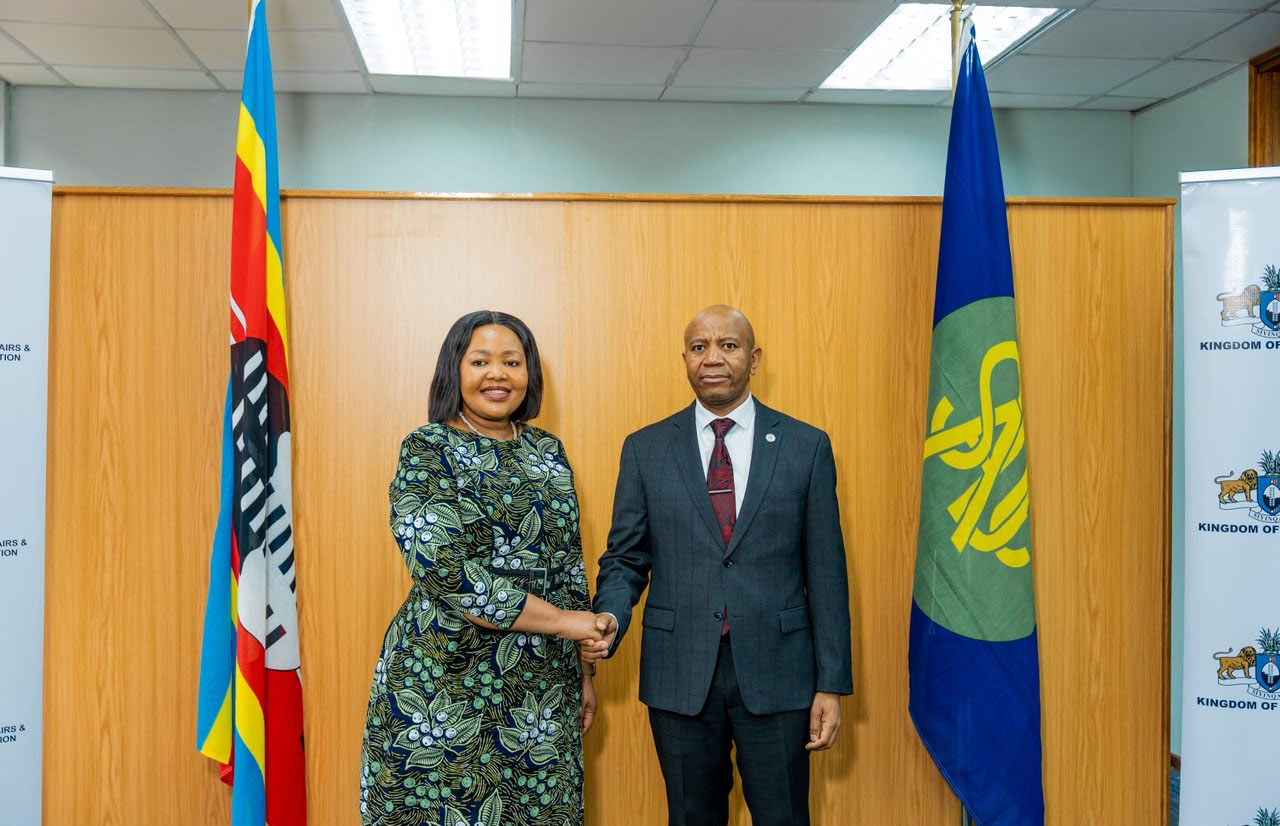
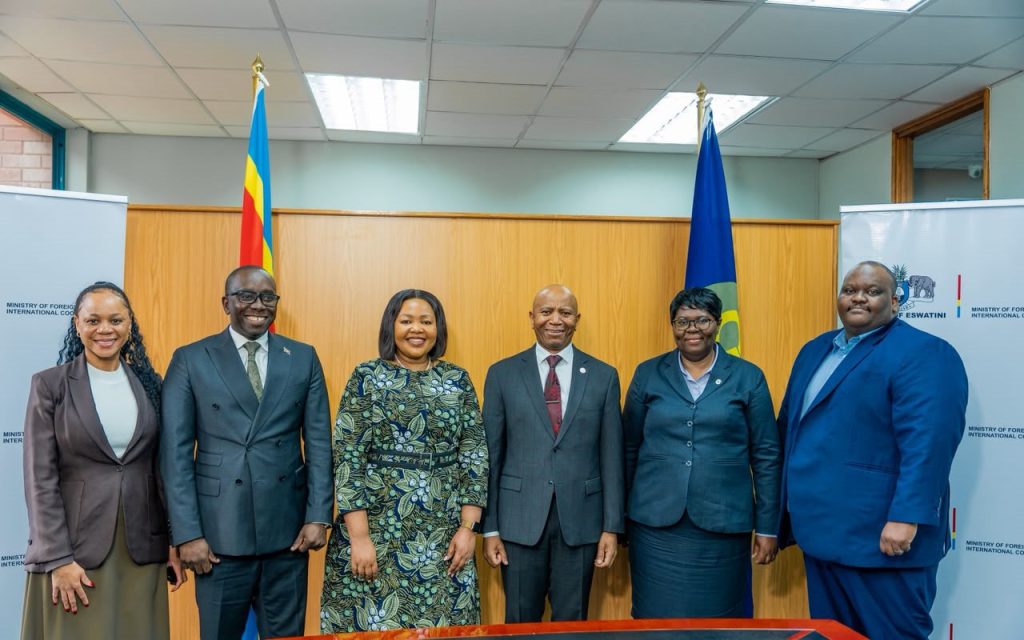
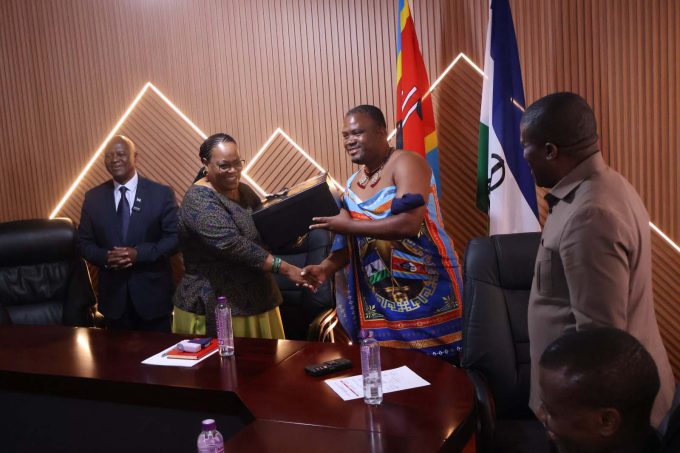
MBABANE – Minister for Foreign Affairs and International Cooperation, Senator Pholile Shakantu yesterday met with a delegation from the Southern African Development Community (SADC) Secretariat.
This comes as Eswatini began a government-wide induction on its responsibilities as Chair of the SADC Organ on Politics, Defence and Security Cooperation.
The meeting formed part of preparations to ensure that government institutions understand and are ready to discharge the responsibilities associated with Eswatini’s chairship of the Organ.
According to a statement issued by the ministry, the SADC delegation was led by Professor Ishmael Kula Theletsane, Director of the Organ, and included Barbara Lopi, Head of the Public Relations Unit, and Terry Rose, Senior Officer responsible for Politics and Diplomacy.
The ministry said the meeting provided an opportunity to review the responsibilities arising from Eswatini’s chairship and establish the framework for the induction programme scheduled to take place from September 8 to 10, 2026.
The induction programme brings together ministries, departments and institutions whose mandates are linked to peace, security, governance and regional cooperation.
These include institutions responsible for foreign affairs, defence, State security, public security, policing, immigration, corrections, anti-corruption, refugees, parks and wildlife, counter-terrorism, as well as Women, Peace and Security.
The ministry said the participation of the various institutions was important because the chairship of the Organ required a coordinated national approach rather than being the responsibility of the Ministry of Foreign Affairs alone.
It said Eswatini had accepted the responsibility with humility and recognised the confidence that the SADC region had placed in His Majesty King Mswati III and the government.
The ministry further stated that the chairship would have to be approached as a coordinated national undertaking, with every participating institution expected to understand its responsibilities, maintain the required level of readiness and contribute effectively towards peace, security and democratic stability in the region.
During the induction, government institutions are expected to engage directly with SADC experts on the mandate and working methods of the Organ.
The ministry said discussions would also cover the preparation and conduct of regional meetings, the implementation of SADC decisions, management of sensitive information, as well as the logistical and communication standards expected of the country during its tenure as chair.
The involvement of the SADC Secretariat is significant because the Secretariat serves as the principal executive institution of the regional bloc and provides the administrative and technical machinery through which decisions of SADC’s political structures are implemented.
The Secretariat is responsible for supporting the implementation of decisions and directives adopted by the SADC Summit of Heads of State and Government, the Council of Ministers and other policy organs.
In relation to the Organ on Politics, Defence and Security Cooperation, its technical and administrative support is particularly important because the Organ deals with issues requiring coordination among member States, including peace and security, conflict prevention and management, democratic governance and regional political cooperation.
The Secretariat also assists member States by providing technical expertise, coordinating regional programmes, monitoring implementation and facilitating communication between SADC institutions and member States.
It also provides support for SADC meetings by assisting with preparations, documentation, coordination and follow-up on decisions taken by the organisation’s various policy structures.
The Secretariat further works with member States and development partners in mobilising resources and supporting the implementation of regional programmes and initiatives.
However, the Secretariat does not function as an independent political authority over SADC member States.
Its role is primarily administrative, technical, coordinating and implementation-focused, while major political decisions are taken by member States through the established SADC policy organs, particularly the Summit and Council of Ministers.
This distinction is particularly relevant to Eswatini’s current chairship because the country will be required to lead and coordinate the work of the Organ while working closely with the Secretariat, which provides institutional and technical support.
The induction programme is, therefore, expected to help government officials understand not only the political responsibilities attached to chairing the Organ, but also the procedures and working methods required to effectively manage its activities.
The ministry said the engagement with SADC experts would ensure that institutions involved in the chairship were familiar with their respective responsibilities and could meet the standards expected of a country leading one of the region’s key security structures.
Eswatini’s chairship comes at a time when peace and security remain central to the regional agenda, with SADC continuing to address political, security and governance matters affecting member states.
The chairship of the Organ consequently places an additional responsibility on Eswatini to facilitate regional cooperation, coordinate engagements among relevant institutions and support efforts aimed at maintaining peace and stability within the SADC region.
The government-wide induction is expected to provide the foundation for that work by bringing together the institutions that will be required to contribute to the country’s responsibilities throughout its tenure.
The ministry said the process would ultimately ensure that Eswatini’s chairship was supported by institutions that were prepared, coordinated and capable of responding effectively to the demands of the regional mandate.












Leave a comment