

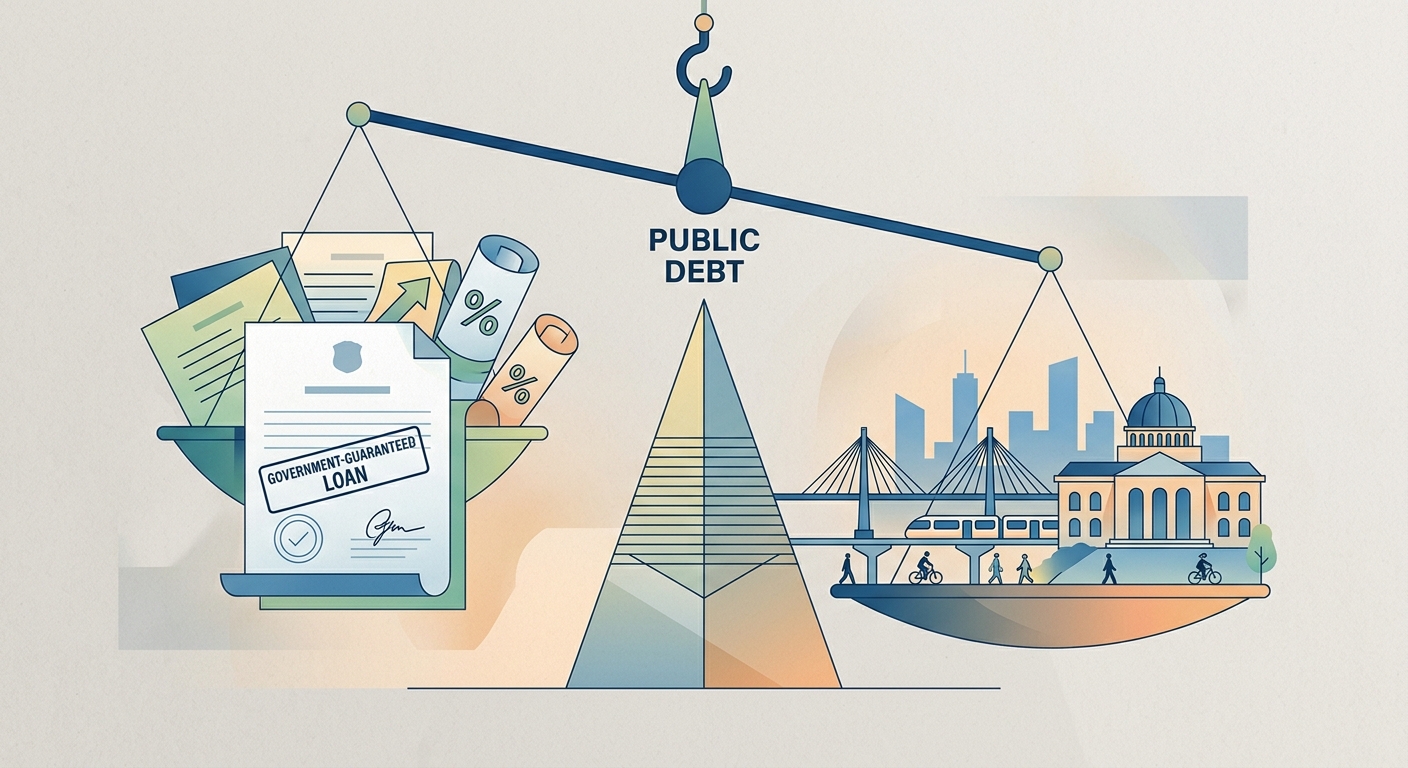
Last year, it was the Eswatini National Petroleum Company (ENPC). This year, it is the Eswatini Posts and Telecommunications Corporation (EPTC). A new debt strategy is quietly reshaping the State’s balance sheet: Government-guaranteed loans. Unlike traditional sovereign borrowing, these facilities are deposited directly into the parastatal’s account, earmarked for strategic projects, while government merely signs as guarantor.
The ENPC loan finances the construction of the Strategic Oil Reserve facility, a project deemed vital for energy security. Now, EPTC seeks a US$26 million facility from the World Bank to drive the Digital Eswatini Project. In both cases, government’s Consolidated Fund does not receive the money upfront. Instead, it carries the contingent liability; that is, if the parastatal fails to repay, taxpayers must step in. This shift marks a deliberate policy choice: Development ambitions are pursued through parastatal borrowing, but the risk remains firmly public.
Fiscal implications: Hidden debt, public risk
While the loans are deposited into parastatal accounts, the risk is deposited into the public purse. These guarantees create contingent liabilities that may not show up in today’s debt statistics, but could tomorrow become binding obligations. In effect, government is borrowing by proxy, shifting the debt off its books, but keeping taxpayers firmly responsible in the event of default.
This strategy has immediate appeal. It allows government to mobilise external financing for projects without swelling the headline debt figures. Yet it also raises questions about transparency in debt reporting and the long-term sustainability of public finances. The Consolidated Fund may not see the inflows, but it will certainly feel the outflows if parastatals falter.
Political debate: Development ambition vs fiscal prudence
The debate in Parliament captures the tension at the heart of this strategy. Supporters see guaranteed loans as a pragmatic way to finance projects that the State cannot afford directly. Oil reserves strengthen energy security; digital infrastructure modernises the economy. These are not luxuries but necessities and guarantees provide the bridge to fund them.
Critics, however, see a fiscal sleight of hand. They warn that parastatals often struggle with inefficiency, weak governance and limited revenue streams. To saddle them with loans is to gamble with public money. If ENPC or EPTC fail to repay, the burden shifts to taxpayers, converting contingent liabilities into sovereign debt. The guarantees may look neat on paper, but they risk becoming silent debts waiting to erupt.
Risk mitigation: Profitability and repayment capacity
The most decisive safeguard against these risks is not simply transparency or oversight, but the profitability of the entities themselves. A guaranteed loan is only safe if the borrower can generate sufficient revenue to service it. Without profitability, guarantees become little more than deferred sovereign debt. With profitability, they can be a tool for financing strategic projects without destabilising public finances. For ENPC, this means ensuring that the Strategic Oil Reserve facility is commercially viable. The facility must generate income through storage fees, fuel levies or strategic partnerships that cover repayment obligations. If the reserve becomes a cost centre rather than a revenue generator, the loan will inevitably migrate to the Consolidated Fund. Profitability is, therefore, not optional; it is the condition for sustainability.
For EPTC, profitability must come from expanding broadband access, monetising digital services and modernising operations to compete in a liberalised telecoms market. The Digital Eswatini Project is ambitious, but its success will be measured not by the kilometres of fibre laid, but by the revenues generated from new subscribers, digital platforms and improved efficiency. If EPTC cannot translate infrastructure into income, the loan will become another liability waiting to be absorbed by taxpayers.
Government must, therefore, focus on commercial viability as the cornerstone of its guarantee strategy. Projects financed by guaranteed loans must have clear revenue models that sustain repayment. Operational efficiency must be strengthened, with parastatals cutting waste, improving governance and building management capacity. Loan repayments should be tied directly to project revenues, insulating the Consolidated Fund from exposure. Guarantees should be conditional on profitability targets, with regular audits to ensure repayment capacity.
The road ahead
The kingdom’s debt strategy is evolving, but evolution must be matched with safeguards. Government-guaranteed loans can finance vital projects, yet without profitability and repayment discipline, they risk becoming silent debts waiting to erupt. The choice is not whether to borrow, but whether to borrow responsibly. From oil reserves to digital transformation, the future of public finance may depend less on the Consolidated Fund and more on the performance of parastatals whose loans carry the nation’s signature.
The guarantees are not just financial instruments; they are political commitments. They bind the State to the fortunes of its enterprises, for better or worse. The lesson is clear: Borrowing by proxy does not absolve government of responsibility. It merely shifts the battlefield. If we are to pursue development through guarantees, it must also pursue profitability with equal vigour. Otherwise, the promise of progress may one day be paid for with the price of debt. This new strategy must not be used to mask ballooning sovereign debt. We must rein in borrowing or risk sovereign default.

















Leave a comment