MANZINI – Online betting has been identified as one of the sources of mental health challenges.
a former gambling addict shared how the pursuit of money plunged him into addiction, financial difficulties and family problems before he sought professional help at the National Psychiatric Referral Hospital.
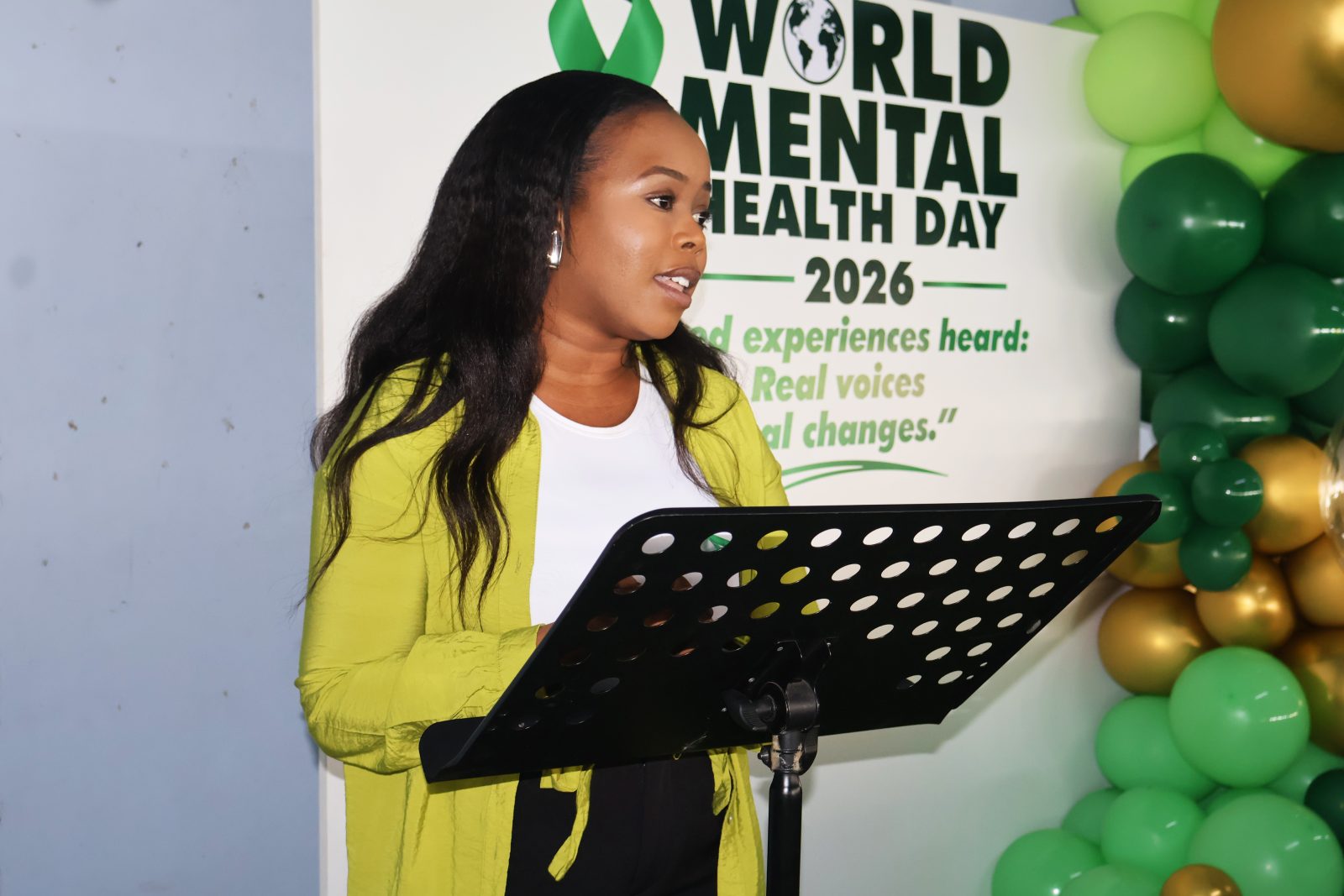
The recovering gambler shared his experience during the World Mental Health Day celebration held at the National Psychiatric Referral Hospital in Manzini yesterday, ahead of the official observance which falls today.
The event provided a platform for people who had received mental health services to share their experiences, highlighting the realities of living with mental health conditions, the importance of seeking professional help and the possibility of recovery.
Reflecting on his experience with online betting, the former gambler explained that what began as an attempt to make money eventually developed into an addiction that affected his well-being and relationships.
He described how his gambling escalated to the point where he was wasting money, experiencing family problems and neglecting basic needs, including eating.
The situation became increasingly difficult until he decided to seek help from mental health professionals. He said he was never judged by the institution and received assistance that helped him confront his condition. Through professional support, taking medication and making a conscious decision to fight his mental health challenges, he began rebuilding his life and has since started his own business. The recovering patient warned others against gambling, particularly online betting, cautioning that the desire to make quick money could develop into an addiction with serious consequences for mental well-being.
His experience brought into focus the relationship between behavioural addictions, financial distress and mental health, reinforcing the need for people experiencing such challenges to seek help rather than suffer in silence.
Speaking during the event, Dr Nkonde said the annual observance served as a reminder that mental health challenges were real and deserved the same seriousness as other health conditions. The celebration was held under the theme ‘Lived Experiences Heard, Real Voices, Real Changes’, which Clinical Psychologist Temavulane Motsa unpacked during the programme.
The theme placed the experiences of people with mental health conditions at the centre of the discussions, allowing them to share their journeys and demonstrate how treatment, support and understanding could change lives.
Motsa’s presentation underscored the value of listening to people with lived experience, particularly in a society where stigma and misconceptions may prevent individuals and families from seeking assistance.
Another former patient, who spoke about her recovery, said the institution had transformed her life after she experienced mental health challenges. She expressed gratitude to the doctors and nurses who supported her, adding that she had since established her own business.
She encouraged people receiving treatment not to discontinue their medication when complications arose, stressing the importance of adhering to prescribed treatment and seeking guidance from healthcare professionals when difficulties emerged.
A further testimony came from a student living with a mental health condition, who explained that receiving help had enabled him to concentrate better at school. He expressed gratitude for the assistance he had received and said his condition did not define who he was. Instead, his experience had given him greater courage and motivation to keep fighting and pursue his goals.
testimonies
The testimonies illustrated the different ways mental health conditions can affect people’s lives, while demonstrating how access to appropriate care and support can help individuals regain confidence, continue with their education and rebuild their livelihoods.
Meanwhile, the event also highlighted the experiences of parents raising children with neurodevelopmental conditions, including autism, and the emotional challenges families may face before receiving a diagnosis and appropriate support.
One mother shared her journey of raising her nine-year-old son, who was diagnosed with Autism Spectrum Disorder after his speech development changed when he was younger.
She explained that the diagnosis initially left her frightened and discouraged, particularly as she was already dealing with anxiety and depression. However, after being referred to the hospital, she received support from the healthcare team, including an occupational therapist who helped her understand her son’s needs and navigate challenges associated with his development and education.
The mother said the support had restored her hope and helped her family better understand the child beyond his diagnosis.
Her son is now in Grade 4 at a government school and is performing well academically. She attributed the progress to early intervention, continued support and the determination to ensure that he received opportunities to thrive.
She encouraged parents who suspected that their children might have developmental conditions to seek professional assistance early and not allow fear or stigma to prevent them from accessing services.
She also called on schools and communities to become more accommodating of neurodivergent children, saying they needed understanding, patience and fair opportunities rather than pity.
The mother, who has since become an advocate for neurodivergent children and a tutor supporting their academic development, said families should be encouraged to share their experiences and learn from one another.
Clinical Psychologist Thobile Ntshalitsh also emphasised the importance of fighting stigma surrounding mental health conditions, encouraging greater understanding and support for people experiencing psychological difficulties.
The celebration served as a reminder that mental health conditions can affect people from different backgrounds and at different stages of life. The experiences shared during the event also demonstrated that recovery and improved quality of life are possible when people receive appropriate professional care and support.
As the world marks World Mental Health Day today, the message from the celebration was that people struggling with mental health challenges should not be judged or isolated, but encouraged to seek help.
The warning against gambling added another dimension to the discussions, highlighting the importance of recognising harmful behaviours early and seeking assistance before they begin to affect an individual’s mental well-being, finances and family relationships.