MBABANE – If projected tariff hikes by EEC are anything to go by, consumers must brace themselves.
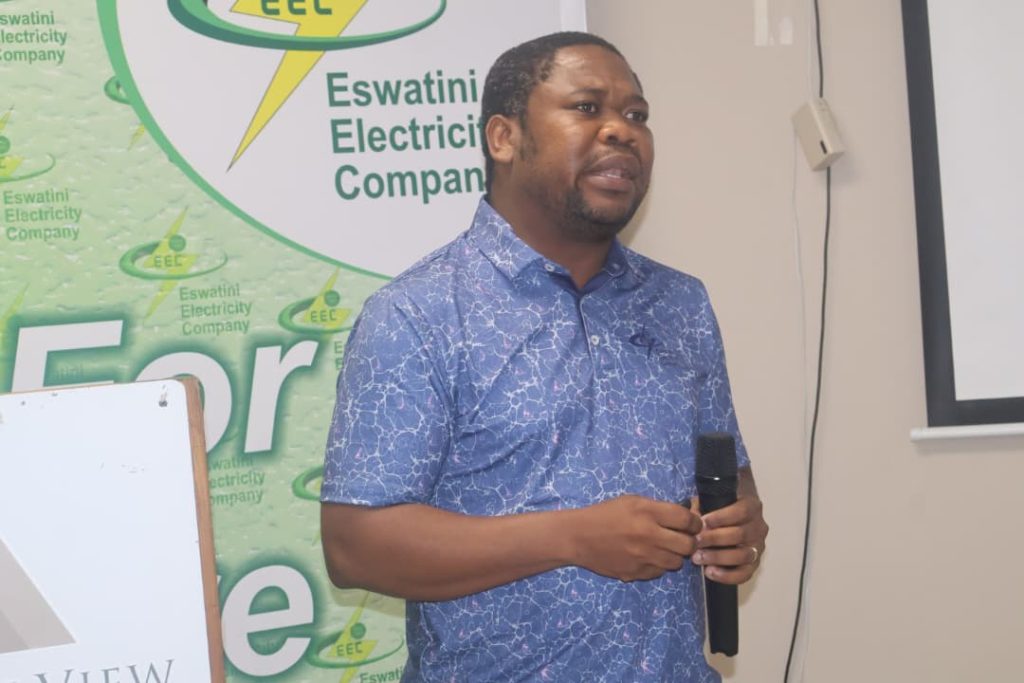
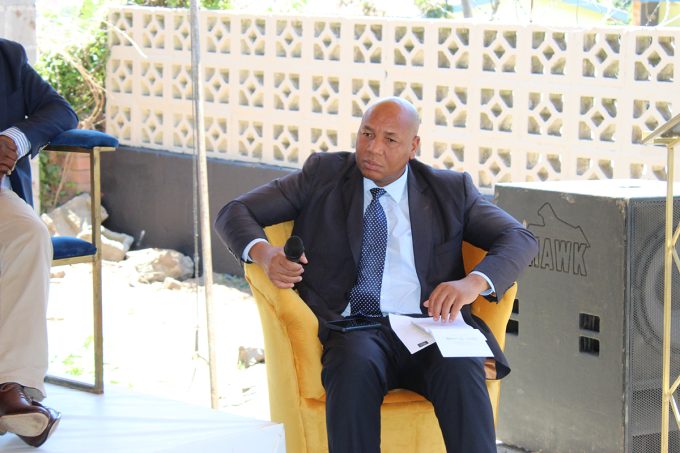
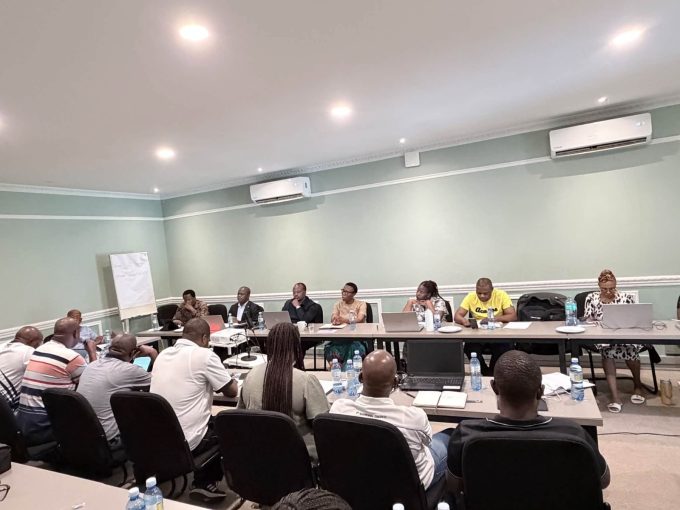
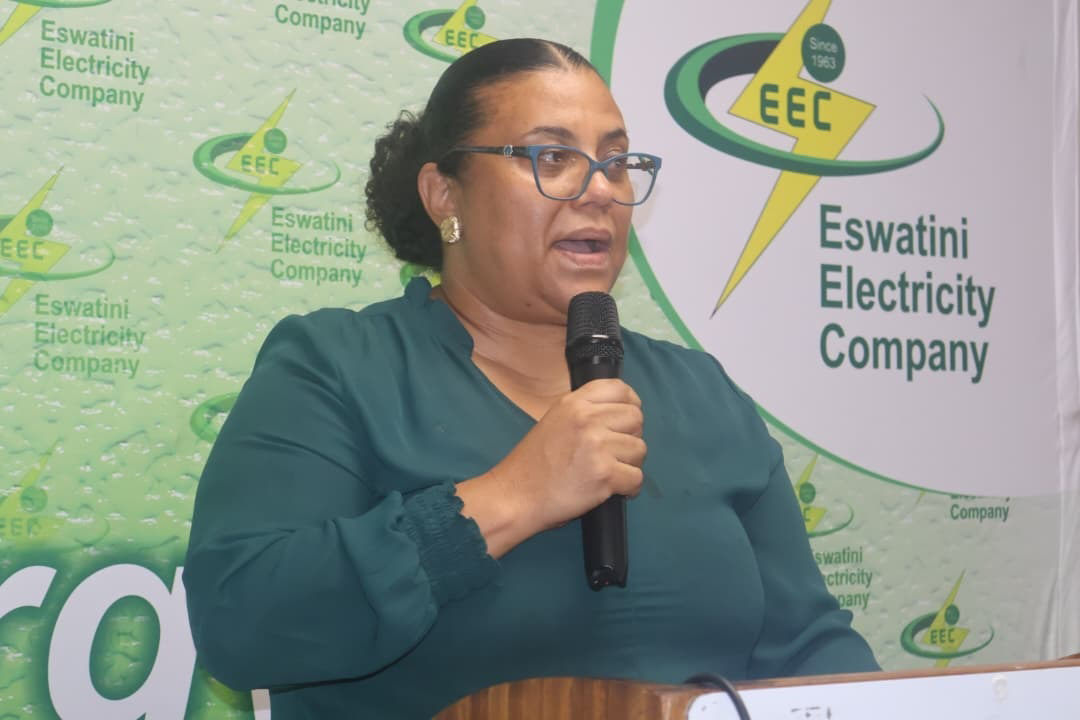
Eswatini Electricity Company (EEC), a 100 per cent government-owned entity, unveiled its projected tariff hikes for the next two financial years. This was during its engagement with members of the Eswatini Editors Forum at Mountain View in Mbabane yesterday.
Households consuming 200 electricity units monthly will pay 43.2 per cent more by the 2028/29 financial year under these proposed tariff adjustments. The EEC projections on the financial impact of proposed tariff increases were presented by General Manager Research and Development Mphumuzi Maziya.
This financial year is pursuing another round of tariff adjustments, proposing an average 18.38 per cent hike for 2027/28 followed by 14.68 per cent for 2028/29 amid broader cost-of-living pressures from rising fuel and food prices.
In 2026, EEC sought an average tariff increase of 20.67 per cent for the 2026/27 financial year, more than double the previously anticipated adjustment before the Eswatini Energy Regulatory Authority (ESERA) approved a lower average increase of 13.61 per cent, which government funding subsequently trimmed to an effective 11.74 per cent increase from April 2026.
Meanwhile, figures from the proposed tariff structure show that a domestic customer purchasing 200 units currently pays E572 per month. This is projected to rise by E126 to E698 in the 2027/28 financial year, a 22 per cent increase in the first phase before climbing by a further E121 to reach E819 in 2028/29. Over the two-year period, the cumulative monthly cost for 200 units will rise by E247, representing a 43.18 per cent increase.
Other domestic and commercial categories face similar upward adjustments across the two-year cycle, with all quoted amounts inclusive of levies but excluding value-added tax (VAT):
Lifeline customers (75 units): Monthly bills will rise from E118 to E144 in 2027/28 (+E26) and reach E168 in 2028/29 (+E24), a cumulative jump of E50 or 42.37 per cent.
Higher-consuming households (300 units): Bills will increase from E859 to E1 048 in 2027/28 (+E189), before climbing to E1 229 in 2028/29 (+E181), a total increase of E370, or 43.07 per cent.
Small businesses (300 units): Commercial users will see bills rise from E1 226 to E1 442 in 2027/28 (+E216), and reach E1 639 in 2028/29 (+E197), a cumulative increase of E413 or 33.69 per cent.
Maziya stated that based on their projections, electricity prices will continue to climb over the next three years as the ECC works to reduce reliance on expensive imports. He explained that although new local generation projects are coming, they will not immediately lower consumer prices.
Instead, he said these projects were expected to cushion the impact of rising import costs. Maziya stated that 60 per cent of the utility’s electricity units are currently purchased from Eskom, with another 10 per cent sourced from the day-ahead market, making up 70 per cent of total power bought.
“When those plants arrive, will they reduce the prices? Overall, it won’t reduce, but what will happen is that as it grows, that share, it means it can be higher than what it would have been, but overall it may not necessarily lead to a reduction. It means it won’t grow much; it cushions us until we reduce that portion,” he said.
According to the utility’s projections, a household currently spending E100 on electricity receives 35 units. In the 2027/28 financial year, that same E100 will purchase 29 units, dropping further to 24 units in 2028/29.
Maziya noted that internal efficiency measures alone cannot prevent tariff hikes because network operations account for only 24 per cent of every E100 spent, whereas bulk electricity purchases consume 61 per cent.
He also mentioned that Eskom is projected to increase its tariffs by 8.83 per cent in 2027/28 and nine per cent in 2028/29. Additionally, unrecoverable value-addded tax (VAT) on electricity bought for exempt domestic customers has created a financial gap that is now factoring into the tariff.
However, Maziya confirmed that government has committed E200 million in writing to help address previous tariff shortfalls, alongside E149 million saved internally through overtime management and cost containment.