MBABANE – Government and Public Sector Unions (PSUs) remain divided over the proposed Cost of Living Adjustment (CoLA) for the 2026/2027 financial year, with the two parties maintaining significantly different positions after three days of negotiations.
While Government is proposing a zero per cent adjustment, the unions are demanding a 7.9 per cent increase for public servants.
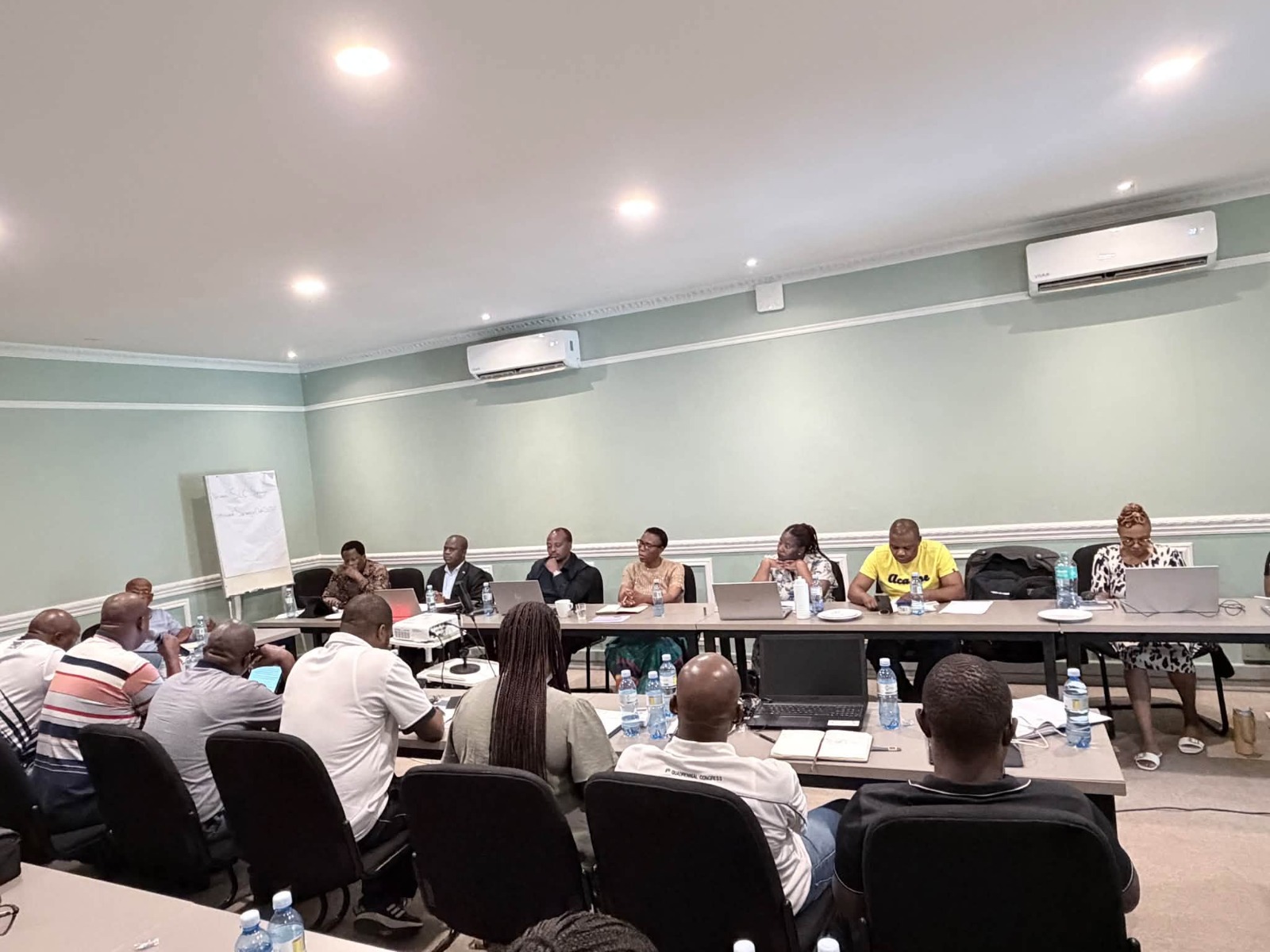
The disagreement was among the issues discussed during negotiations under the Joint Negotiation Forum (JNF), which brought together the Government Negotiations Team (GNT) and representatives of public sector unions.
According to the outcomes of the meeting, the parties also considered a proposal to stagger the salary adjustments. However, they failed to reach an agreement, leaving the matter pending.
The GNT is expected to seek a revised negotiating mandate within two weeks in an effort to move the discussions forward.
The difference between the two positions means that public servants will have to wait longer for clarity on whether they will receive a salary adjustment during the current financial year.
The negotiations also covered appeals arising from the recent Salary Review exercise, with the parties agreeing to engage an independent consultant to consider the submissions.
The terms of reference for the appeals process were discussed and will be finalised and adopted at the next meeting. The arrangement is intended to provide an independent assessment of the appeals, although no timeframe for completing the exercise was announced.
Another issue considered was the implementation of management audit recommendations following the revocation of Establishment Circular No. 3 of 2018 through Circular No. 3 of 2023.
The earlier circular had restricted the filling of vacancies, creation of new posts and promotions in the public service. Government and the unions agreed that a workshop should be arranged by February 2027 to discuss the implementation of the management audit recommendations.
On the proposed Negotiations and Consultations Framework, the parties agreed that the GNT should request technical assistance from development partners to accelerate the review of the draft document. This will include a benchmarking exercise, with the team expected to report back at the next meeting.
However, the negotiations failed to resolve differences over the interpretation of Section 44 of the Industrial Relations Act No. 1 of 2000, as amended, concerning agency shop arrangements.
The disagreement centred on whether employees who are not members of trade unions, commonly referred to as free riders, must give consent when an agency shop is being negotiated. The matter will be referred to other forums for determination.
Meanwhile, Government and the unions agreed to strengthen public servants’ health and wellness support through changes to the functions of the Public Service Health and Safety Coordinating Committee (PSHACC).
A task team comprising representatives from both parties was appointed to consolidate proposals on improving employee wellness programmes and referral systems. It is expected to report to the JNF at its next meeting.
The parties also agreed to establish a joint task team to explore ways of accelerating the workforce segmentation process, which is being used to identify workstations eligible for hardship and other allowances.
Three issues remain on the outstanding negotiation agenda: privatisation and casualisation of the Public Service, proposed revisions to income tax brackets and the Enhanced Voluntary Early Retirement Scheme (EVERS).