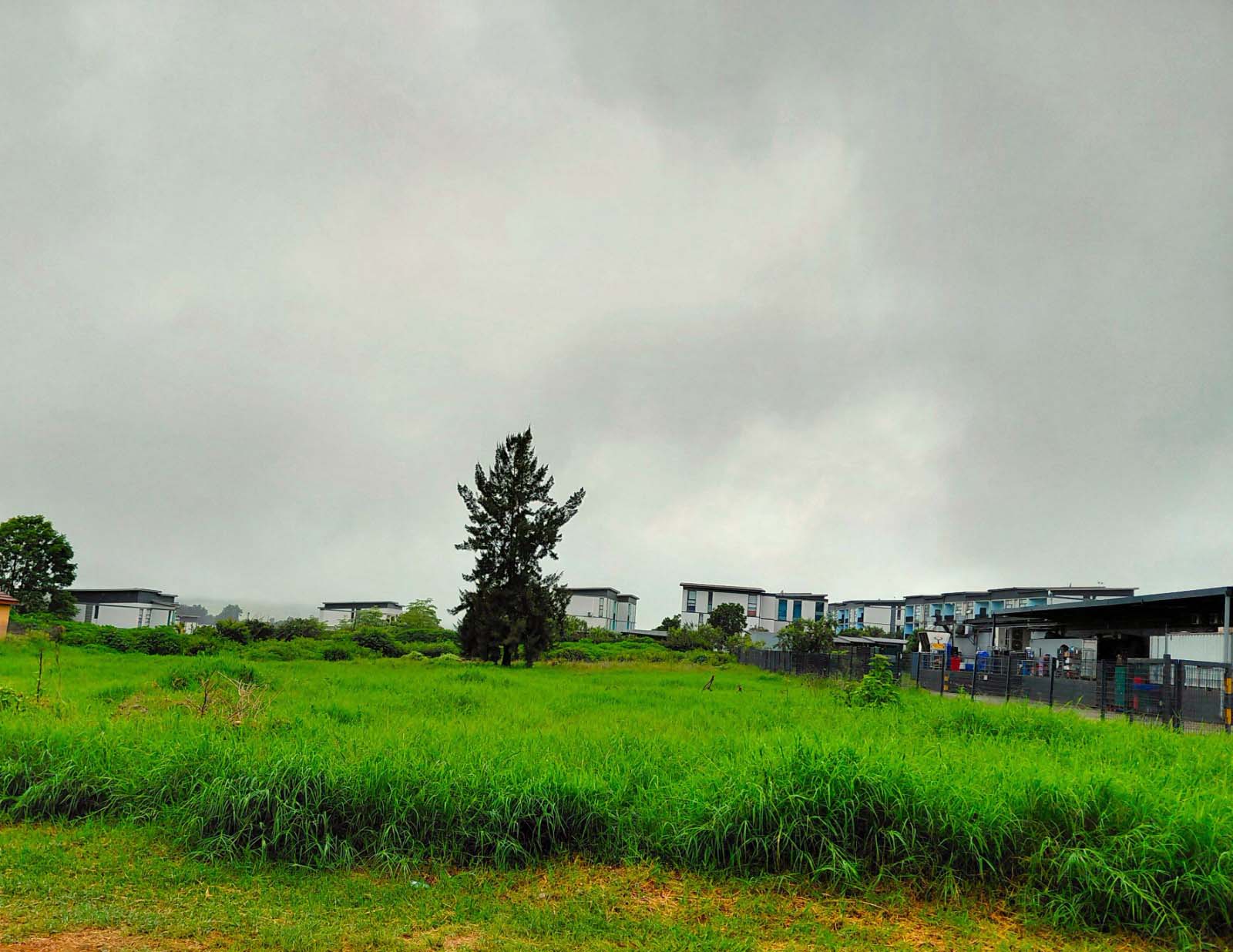
Summer brings warmer temperatures, rainfall and rapid vegetation growth, transforming once-clear plots into overgrown spaces.
While the season brings relief from the dry winter months, it also increases the urgency for property owners to clear their land and prevent potential dangers.
Buying land is an exciting milestone, offering opportunities to build a home, establish a business or secure a future investment. However, when development plans are delayed and properties remain unattended, grass, weeds and shrubs can quickly take over.
From residential plots in towns to homesteads and farmland in rural communities, unmanaged vegetation can threaten public health, safety and the environment. It can harbour pests and dangerous wildlife, obstruct roads and drainage systems, provide cover for criminal activity and, during dry spells, increase veld fire risks.
In a previous interview with Malkerns Town Council’s Lethinhlanhla Ntshalintshali from the Public Health and Environment Department, he explained why clearing overgrown plots is essential. “It is of critical importance that property owners regularly maintain and clear overgrown vegetation on their plots to comply with the provisions of the Public Health Act No. 5 of 1969, specifically Part III, Section 8 and Section 11 (d), (n) and (t).
“Section 8 places a general duty on property owners to ensure that their premises do not constitute a nuisance or a danger to public health. Furthermore, Section 11 defines what constitutes a nuisance, including conditions that are injurious or dangerous to health, or liable to facilitate the spread of disease,” shared Ntshalintshali.
What does regular
maintenance do?
Maintaining land is not simply about appearances. It protects property owners, neighbours and the wider community by promoting environmental hygiene, preventing public health nuisances, improving neighbourhood appearance and reducing the likelihood of pests, dangerous wildlife and fire hazards.
Property owners should not wait until their plots become inaccessible before arranging clearing. Regular grass cutting, removing unwanted vegetation and disposing of garden waste appropriately can prevent problems from developing.
Failure to maintain vegetation may be interpreted as permitting a nuisance, which is an offence under the Act.
causes of overgrown
vegetation
Overgrown plots in places such as Malkerns and rural communities often result from several socio-economic and administrative factors.
These include absentee landowners who live elsewhere, neglect of undeveloped properties, financial constraints that make clearing services unaffordable and speculative landholding where properties remain unused while owners await future development.
Seasonal climatic conditions also contribute, as summer rainfall and warm temperatures accelerate the growth of grass and weeds. In some rural areas, difficult terrain and limited access make routine maintenance challenging.
Regardless of the circumstances, owners are encouraged to establish maintenance routines that account for seasonal changes. Clearing vegetation before it becomes excessive is generally easier than dealing with months of unchecked growth.
Risks associated with
neglected properties
Neglected land presents several environmental health and safety risks, particularly during summer.
Public health risks: Overgrown vegetation can harbour mosquitoes, rodents and other pests. Stagnant water in discarded containers and blocked drainage systems may provide mosquito breeding sites, increasing the risk of diseases such as malaria.
Environmental hazards: Unmaintained plots may attract illegal dumping, contributing to pollution, poor sanitation and unpleasant surroundings.
Safety and security risks: Dense vegetation can conceal people and activities, reducing visibility around homes and increasing security concerns.
Fire hazards: Although summer rainfall encourages growth, dry spells can leave vegetation combustible, increasing the risk of veld fires threatening homes, livestock, crops and other property.
Physical hazards: Tall grass and thick bushes may conceal holes, uneven ground, discarded objects and dangerous wildlife, including snakes, endangering children, pedestrians and livestock.
In rural communities, these dangers may extend to grazing areas, crop fields and access routes between homesteads. Maintaining land helps reduce hazards and protect surrounding properties.
How overgrown vegetation affects communities
The consequences of neglected land extend beyond individual property boundaries.
Overgrown plots can reduce the value and appeal of neighbouring properties, while pests may spread into nearby homes. Vegetation encroaching onto roads, footpaths and drainage systems can obstruct movement, reduce visibility and contribute to flooding when drains become blocked.
In rural areas, vegetation covering narrow or winding roads creates additional risks for motorists and pedestrians. Blocked drainage channels may cause water to overflow onto roads, homesteads and cultivated land during heavy rainfall.
For communities dependent on livestock farming and crop production, maintaining land also helps protect access routes and reduce vegetation-related hazards.
Measures taken
against non-compliance
Malkerns Town Council follows a structured enforcement procedure to address properties that fail to meet required standards.
The Public Health and Environment Office conducts routine inspections to identify non-compliant properties. Owners are then issued written notices informing them of the contravention of the Public Health Act No. 5 of 1969 and given a stipulated period to clear their plots.
Follow-up inspections establish whether corrective action has been taken. Where owners fail to comply, the council proceeds to clear the vegetation using its own resources or appointed service providers.
Penalties,
enforcement procedures
Property owners who disregard notices may face further enforcement measures.
These include the council clearing the property without further notice and recovering the costs incurred from the owner in accordance with council by-laws and administrative procedures.
The council also states that it shall not be held liable for damage to or removal of vegetation, including ornamental or intentionally planted vegetation, during enforcement actions.
Continued non-compliance may expose owners to further legal action under the Public Health Act No. 5 of 1969, particularly where a nuisance persists.
Residents are therefore encouraged to comply within the stipulated timeframe to avoid unnecessary costs and potential legal consequences.
As summer progresses, property owners should prioritise clearing and maintaining their land rather than waiting for complaints or official notices. Regular inspections, timely grass cutting, removal of unwanted vegetation and proper waste disposal can prevent avoidable problems.
Whether in towns, peri-urban settlements or rural communities, well-maintained properties contribute to safer and healthier surroundings. With summer rainfall encouraging rapid vegetation growth, the time to act is now, before neglected land threatens homes, livelihoods and the wider community.