MBABANE – An investigation by the Times of Eswatini has uncovered a network of runners, discreet handovers and hidden selling points used to sell illegal dontonto at Mbabane Market, where half a cup costs E10.
Also known as mankanjane in the supplied copy, dontonto is a home-brewed alcoholic drink made using ingredients that include maize.
The investigation found that people stationed near market entrances and along the outer perimeter reportedly direct customers to concealed selling points. Sellers and runners also use non-verbal signals to avoid drawing the attention of municipal inspectors and law enforcement officers.
The trade appears to be sustained partly by low-income workers who say commercial beer is too expensive for their budgets after a day’s work. Informal traders and regular consumers told this publication that the trade grew during the COVID-19 lockdowns in 2020, when restrictions on commercial alcohol sales pushed some drinkers towards cheaper, informal alternatives.
They said the trade continued after liquor outlets reopened, with unemployment, rising living costs and the price of commercial alcohol contributing to demand.
The investigation found that the trade has developed a network of intermediaries, discreet delivery methods and supply points serving customers who buy small quantities around the market as well as those seeking larger volumes.
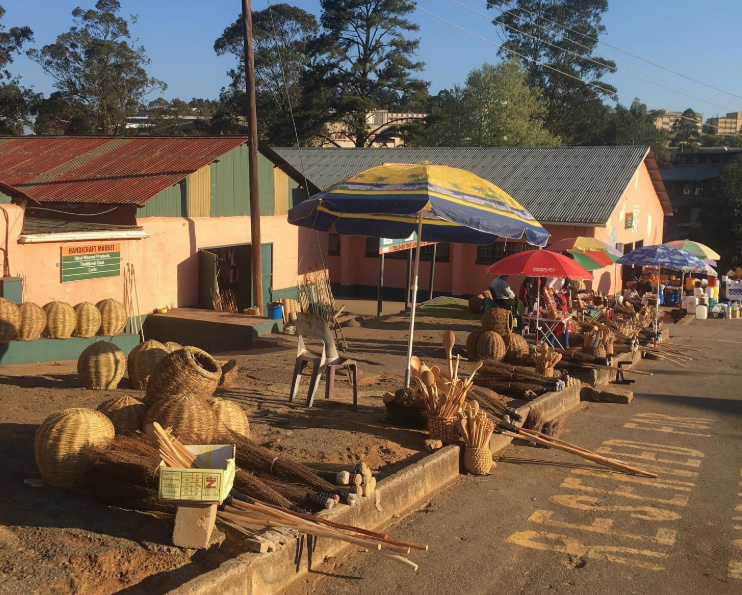
Informal traders and patrons said that before the trade became established around the main Mbabane Market, another major selling point operated near the TEBA offices.
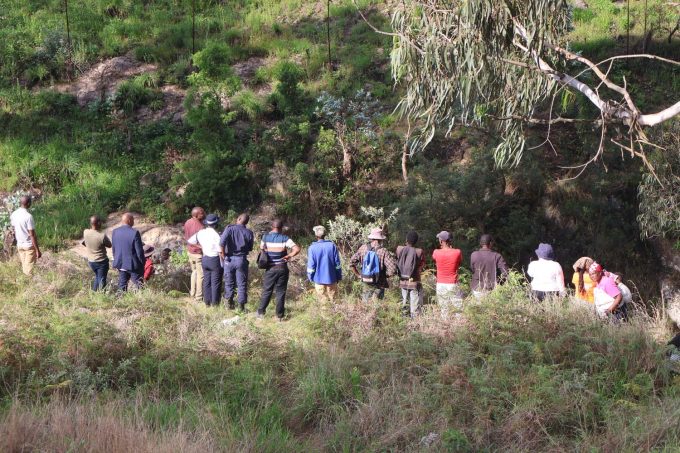
Buyers seeking bulk quantities of two litres or more are reportedly directed to brewing locations in the Skom area near Msunduza.
At the market, individuals stationed near entrances and along the outer perimeter reportedly act as runners. When a customer approaches looking for dontonto, the runners establish what they want before directing them to a seller.
The investigation found that some sellers and runners use non-verbal cues and sign language to communicate. The drink is reportedly drawn and packaged before buyers reach the selling point, allowing handovers to take place quickly.
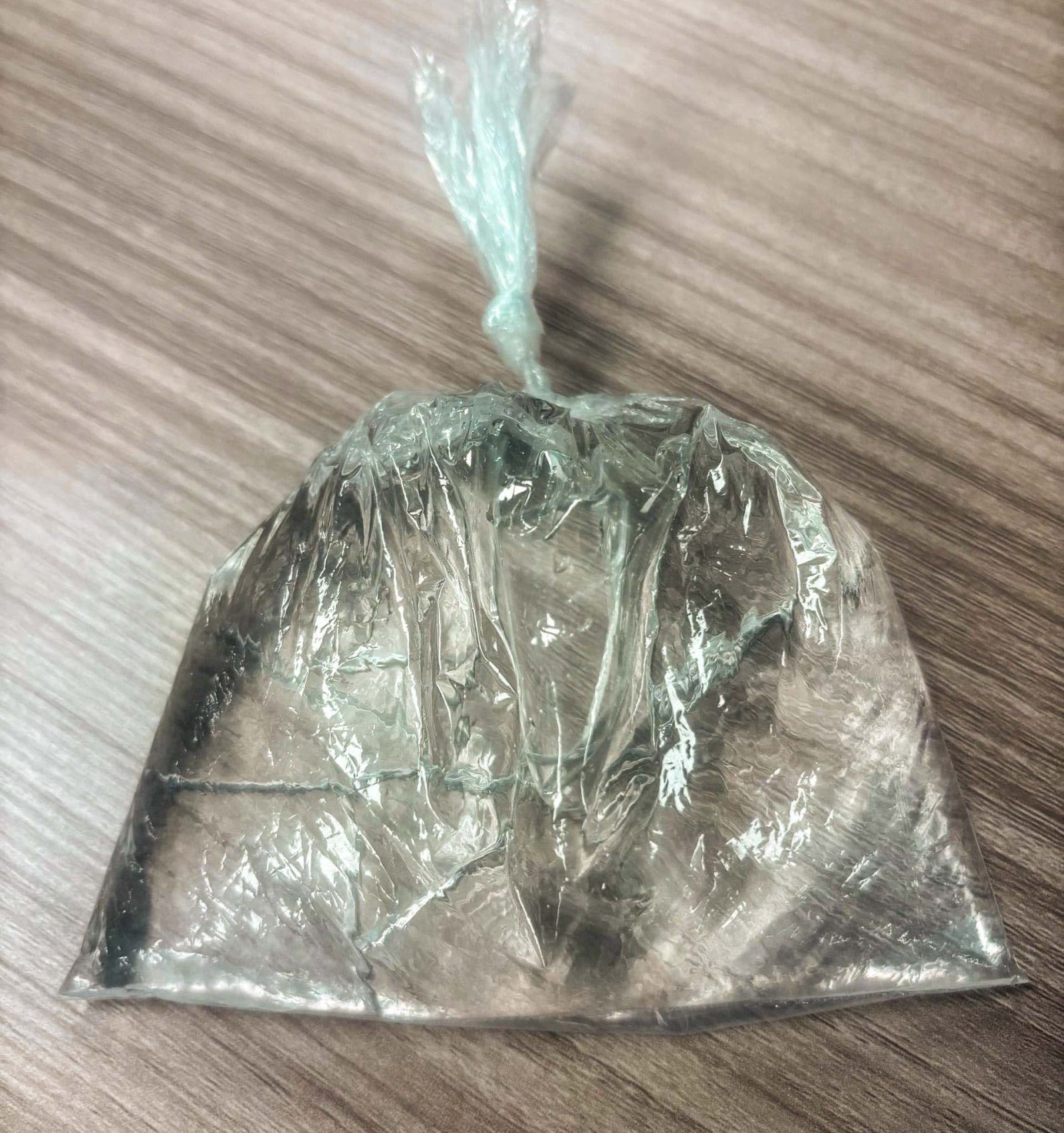
The investigation also found that sellers use small, clear plastic sachets commonly associated with homemade ice blocks to package the drink.
The liquid is poured into the sachets, which are tied at the top and kept concealed until a customer collects them. The packaging reportedly allows sellers to hand over the drink discreetly.
The investigation found that the market’s customers include low-income residents and workers who earn modest amounts from casual jobs.
Among them are young men hired by stallholders to run errands, clean vending areas and perform manual tasks. Informal mechanics were also identified as regular customers.
Some of these workers reportedly earn E20 or E30 per job, depending on the task. Interviews indicated that some receive a single E20 payment for a day’s work and then use part of their earnings to buy dontonto. Consumers interviewed anonymously said a bottle of commercial beer costs between E25 and E30. They said buying several beers after physically demanding work was beyond their means.
One or two packs of dontonto, costing about E20, were described by the consumers as a more affordable option that produced a stronger, quicker effect.
The consumers said that for workers living on tight budgets, the cost difference was a major factor in their choice.
Their accounts suggest that the trade is sustained not only by the price of the brew but also by customers’ limited disposable income and their desire to drink after work.
However, because the drink is produced outside standardised commercial controls, its strength and contents may vary. Consumers’ descriptions of its effects should not be taken as evidence that it is safe. Consumers and sellers said they were aware of police action against the illegal sale of dontonto. One recent case in Manzini involved a man found in possession of a 25-litre container of the brew. He was fined E1 000 at the magistrates court.
Those interviewed said the threat of arrest had not stopped the trade and that sellers had instead become more discreet.
When sought for comment, Chief Police Information and Communications Officer Superintendent Phindile Zwane said the police were aware of the illegal sale of dontonto at Mbabane Market.
She said several offenders had been arrested and appeared in court.
Zwane said the continued sale of the brew presented a challenge for the police, as offenders appeared unwilling to stop despite enforcement action.
She said the situation required the police to intensify operations against the illegal trade.
The Mbabane Municipal Council and the Ministry of Commerce have also warned that the unlicensed production and sale of traditional brew are unlawful and could attract serious penalties.
The council says it is investigating the brewing, storage and sale of the drink in municipal markets. The Ministry of Commerce says offenders could face a fine of E10 000 or imprisonment of up to four years or both.