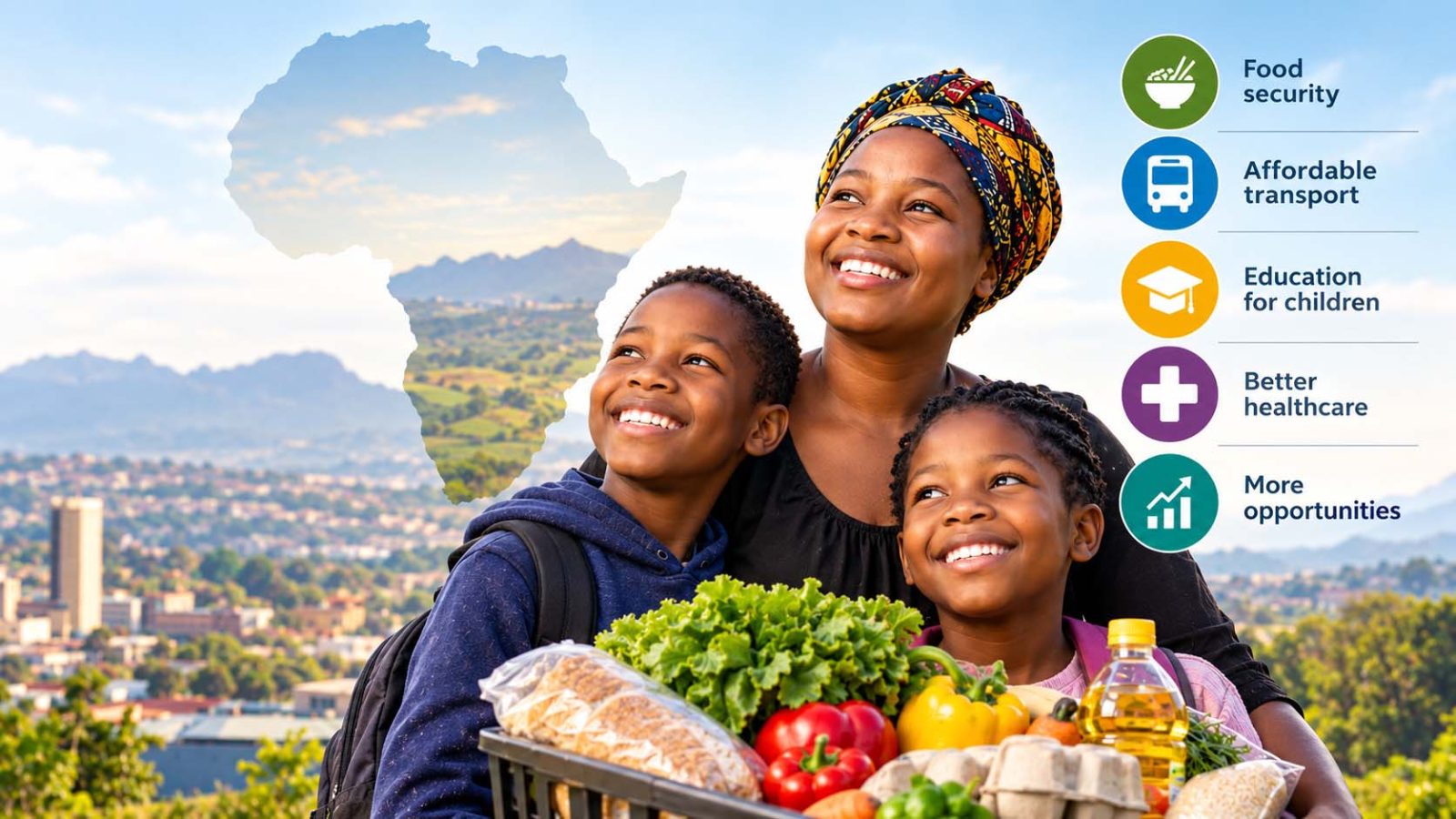
Imagine waking up knowing that, regardless of whether you have a job, your children will eat, you can afford transport to seek employment and an unexpected illness will not plunge your household into debt. Imagine buying groceries without having to choose between electricity and food. For millions of Africans, this would be a beautiful reality. Instead, life is a daily calculation of what must be sacrificed because there simply is not enough money.
This is where universal basic income deserves consideration. The concept is straightforward: People receive regular cash payments without having to prove they are poor, unemployed or deserving of assistance. Ideally, the amount would provide a meaningful foundation for meeting basic needs. On a continent rich in natural resources, millions work without earning enough to live comfortably. Having a job does not always guarantee financial security.
The question, therefore, is whether African economies can afford such payments and whether governments can translate national wealth into better lives for ordinary citizens.
Africa has already tested the idea. Namibia offers an interesting example. Between 2008 and 2009, residents of Otjivero and Omitara participated in a basic income pilot, receiving N$100 monthly. Reported outcomes included improvements in household welfare and children’s school participation. However, the experiment was limited in geographical coverage and duration and its findings cannot automatically be applied nationally.
Kenya has also become a testing ground. GiveDirectly launched a long-term basic income study in 2016, providing regular payments to adults in selected villages. Its cash transfer programmes have also reached communities in countries including Malawi and Mozambique.
Elsewhere, Egypt’s Takaful and Karama programmes assist vulnerable households, while Lesotho and Eswatini have social protection programmes, including non-contributory pensions and child grants. Although these are not universal basic income schemes, they demonstrate how financial assistance can support people struggling to meet essential needs.
What could this mean for emaSwati? Consider an elderly person whose pension must cover food, electricity, transport and medication. Consider a graduate spending months searching for employment while depending on relatives who are themselves struggling. Consider a parent whose salary disappears before the next payday.
A dependable monthly payment could help families buy food, cover school expenses or travel to job interviews. For someone hoping to establish a small business, it could provide modest starting capital. The World Bank has examined universal basic income’s potential benefits, including wider coverage and greater financial security.
However, financing, programme design and its relationship with existing welfare systems require careful consideration. A payment that cannot cover even basic groceries offers limited relief. Inflation could also gradually diminish its purchasing power.
Other countries offer useful lessons. Alaska has distributed annual dividends to eligible residents since 1982 through its Permanent Fund, which invests part of the State’s oil wealth.
Although these payments are neither a complete living income nor a monthly universal basic income, they demonstrate how natural resource revenues can benefit residents directly.
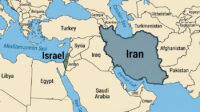
Iran introduced extensive cash payments in 2010 alongside reforms to fuel and other subsidies. Finland conducted a basic income experiment between 2017 and 2018 involving 2 000 unemployed people. Its findings included improved reported well-being and reduced stress, although employment effects were modest. These experiences offer lessons rather than ready-made solutions.
Each country has different economic circumstances, revenue sources and social protection needs. The money question cannot be ignored. Universal basic income would be expensive, particularly in countries with narrow tax bases, high public debt and large informal economies. Governments cannot promise monthly payments without explaining how they will finance them.
African countries would need to examine public spending, revenue collection, natural resource earnings and existing social grants.
They would also have to guard against corruption, political manipulation and inflation eroding the value of payments. Cash alone cannot replace employment, affordable healthcare, quality education, reliable electricity or functioning public transport. People need opportunities to prosper, not merely assistance to survive.
Nevertheless, the absence of a perfect solution should not end the discussion. Governments could begin with carefully designed pilot programmes, assess their outcomes and expand coverage as resources permit. Perhaps the strongest argument for guaranteed income is the dignity it could restore.
For Africans living from one day to the next, even a modest, dependable payment could create room to breathe.
However, such a policy must never become an excuse for governments to abandon employment creation or responsible management of national resources. Citizens deserve sustainable economic opportunities, not promises that public finances cannot support.
The real question is how Africa can translate its wealth into greater security for the people who make its economies possible. For millions of Africans who have spent years barely surviving, that possibility deserves a serious conversation.