EZULWINI – Public officers who persistently underperform face disciplinary consequences, despite government acknowledging that funding delays have compromised service delivery.
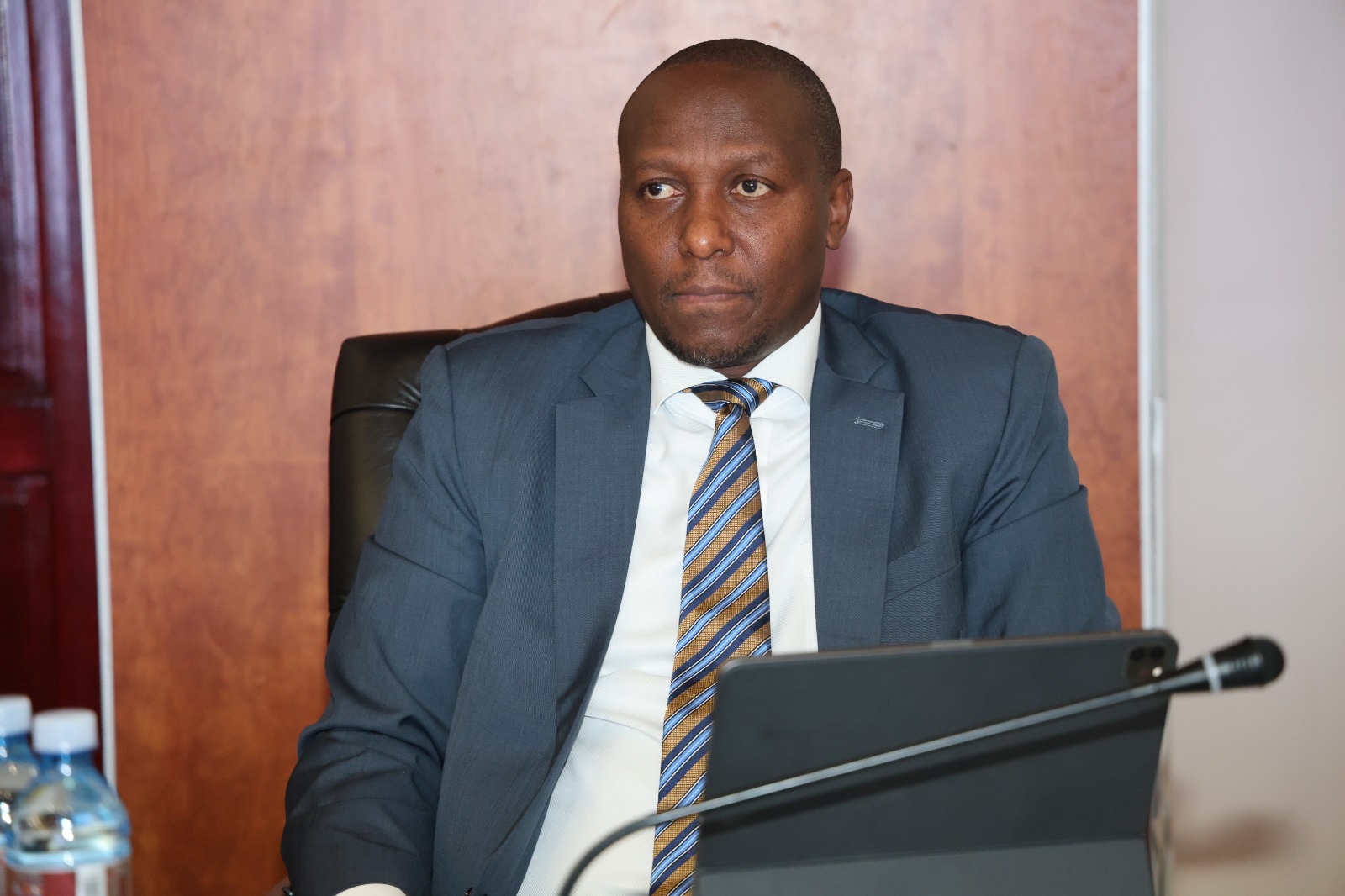
Prime Minister (PM) Russell Dlamini has called for the enforcement of consequence management across government, demanding greater accountability from those entrusted with public office.
His directive comes as government continues to grapple with delayed budget releases, procurement bottlenecks and weaknesses in project preparation, which have hindered the implementation of its Programme of Action.
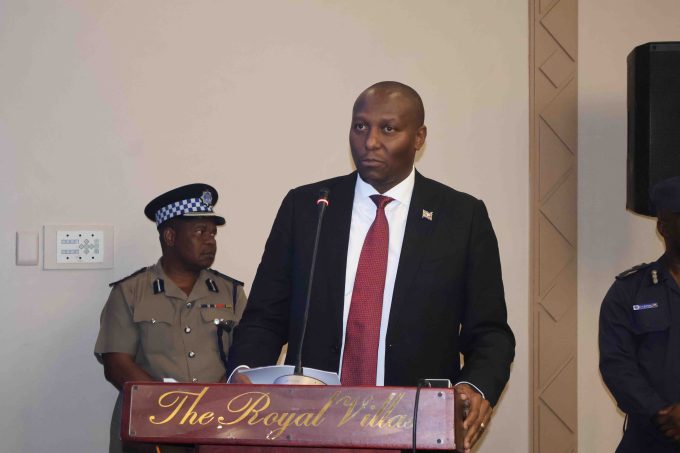
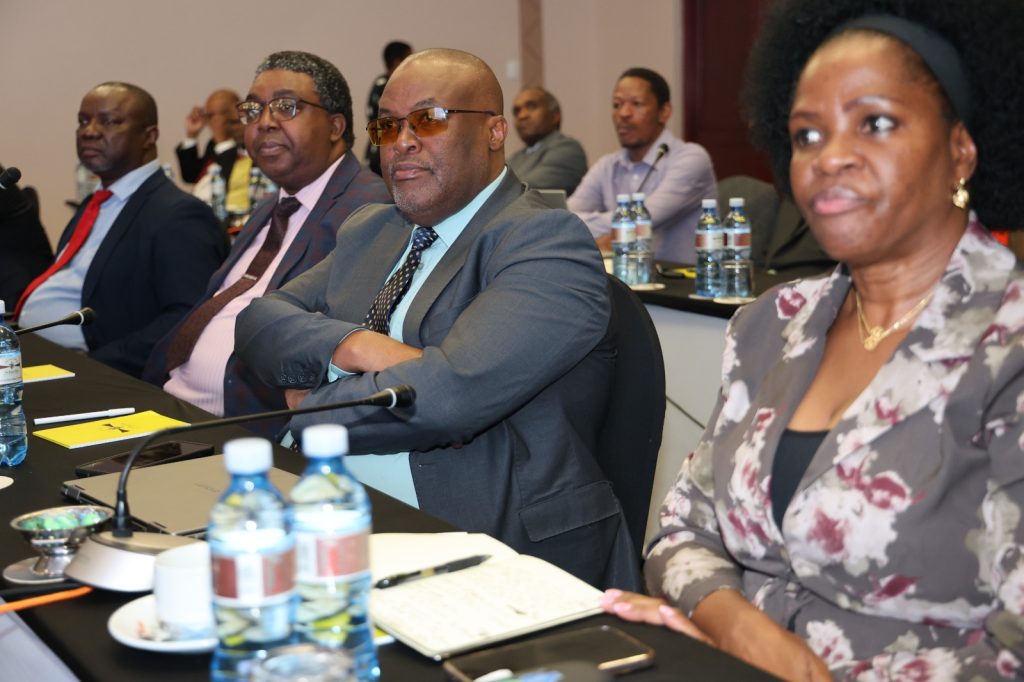
Addressing ministers and principal secretaries (PSs) during the first Semi-Annual Government Performance Review at the Royal Villas, Dlamini said persistent underperformance and misconduct should attract appropriate consequences.
However, the PM also acknowledged that government’s own financial management challenges had impeded ministries’ ability to fulfil their mandates.
The performance review confirmed that delays and shortfalls in the release of appropriated funds had compromised service delivery.
The findings raise questions about how government will distinguish between poor performance attributable to individual officers and institutional failures beyond their control.
Dlamini said supervisors should establish the reasons for poor performance, provide support where necessary and set timelines for improvement.
“Consequence management is essential to that system. Where performance falls short, supervisors must establish the cause, provide support where needed and set a clear timetable for improvement,” he said.
“Persistent underperformance and misconduct must carry appropriate consequences under the applicable public service rules and with due process. The public is entitled to expect diligence and competence from those entrusted with public office.”
The PM did not specify the sanctions that would be imposed on persistently underperforming officers.
However, he called for every priority government commitment to have a responsible officer, a deadline and a measurable result.
He said progress should be reviewed regularly, obstacles resolved promptly and decisions implemented.
The directive follows government’s overall performance score of 48 per cent for the 2025/26 financial year, as previously reported by this publication.
Although the score represented an improvement from 22 per cent in the first quarter of that financial year, government continued to encounter challenges in implementing its programmes.
These included procurement bottlenecks, delayed budget releases, legislative delays, poor coordination and weaknesses in project planning.
The latest remarks suggest that government continues to contend with some of the obstacles identified during the previous financial year.
Dlamini said the value of the performance review would be measured by whether projects progressed, public services improved and more emaSwati gained access to employment.
The PM’s acknowledgement of funding constraints comes barely two weeks after he criticised the Ministry of Finance over delays in implementing procurement reforms.
As reported by this publication on November 15, Dlamini accused the ministry of failing to implement reforms which Cabinet had called for over a period of three years.
The latest performance review has again identified financial management as an area requiring intervention.
Dlamini said when ministries received funds late or in amounts below their requirements, they struggled to honour commitments and deliver services on schedule.
“Addressing this is a collective responsibility. As we reform our planning, we must also improve the Government’s cash-flow management,” he said.
The PM called on spending ministries to provide realistic financial forecasts aligned with procurement and project implementation schedules.
He said the Ministry of Finance should communicate anticipated releases and significant changes early enough to allow ministries to adjust their plans.
Dlamini also called for agreed timelines within which the ministries of Finance and Public Service should provide support to other ministries, including a mechanism for escalating delays.
The consequences of delayed funding extend beyond government offices.
In September, the Times SUNDAY reported that government projects valued at approximately E600 million had stalled amid cash-flow challenges.
Such delays have implications for contractors, workers and communities awaiting the completion of public infrastructure.
Dlamini said ministries should prioritise projects ready for implementation when seeking funding.
Before a project was proposed for implementation funding, the responsible ministry should have established its scope, cost, delivery timetable and prerequisites, including land requirements and the necessary assessments and approvals.
Where projects required further preparation, government should consider funding feasibility studies, concept development and other assessments.
The PM also called for greater scrutiny of government expenditure, including the prices paid for commonly procured goods.
“We must live within our means and secure greater value from every lilangeni. That requires us to review what we pay for commonly procured goods and scrutinise project costs before commitments are made,” he said.
Dlamini challenged ministries to consider adopting ISO 9001 quality management principles to improve their operations, measure service quality and address recurring failures.
Government’s expenditure management challenges have previously attracted the attention of the World Bank.
In its report titled Unlocking Eswatini’s Potential: Leveraging Fiscal Adjustment for Better Development Outcomes, the institution identified expenditure arrears, weaknesses in procurement and inefficiencies in public investment management among the country’s fiscal challenges.
The World Bank recommended improvements in budget execution, procurement systems and expenditure controls.
Corruption
Meanwhile, Dlamini reiterated government’s commitment to fighting corruption and safeguarding public resources.
He said government would use every lawful means at its disposal to prevent corruption and ensure that credible allegations were referred to the relevant authorities.
The PM instructed ministries to immediately implement the decisions taken during the performance review and report on the results.
He said the next review should demonstrate which commitments government had fulfilled, which services had improved and what difference its work had made in people’s lives.
“The work we do is a duty owed to the people of Eswatini. Let us discharge that duty with urgency, integrity and discipline,” Dlamini said.
The PM’s speech did not disclose government’s overall performance score for the first half of the 2026/27 financial year or the number of ministries that had met their service delivery targets.
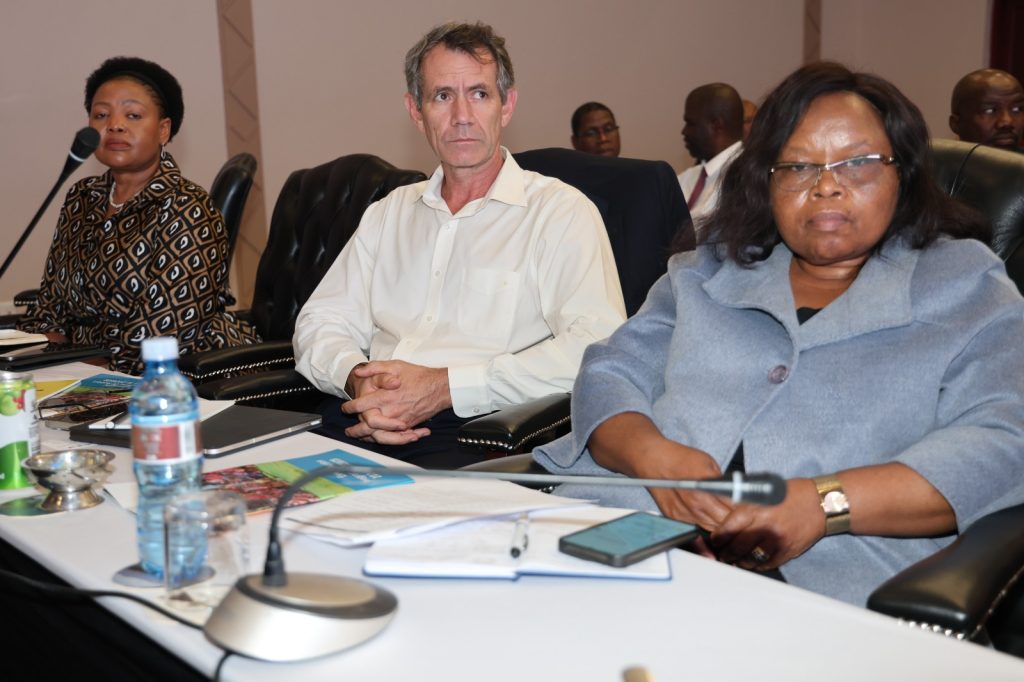
Only one ministry records mindset change progress
EZULWINI – Only the Ministry of Sports, Culture and Youth Affairs recorded progress on mindset change during government’s latest performance review.
Prime Minister (PM) Russell Dlamini has expressed concern over the finding, warning that tolerance of mediocrity and complacency in public office threaten the country’s development aspirations.
The PM disclosed the finding during the first Semi-Annual Government Performance Review at the Royal Villas.
He challenged ministers and principal secretaries (PSs) to set higher standards within their respective ministries, particularly in decision-making, implementation of programmes and addressing persistent underperformance.
“This review recorded progress on mindset change only by the Ministry of Sports, Culture and Youth Affairs. That finding deserves our attention,” Dlamini said.
“Tolerance of mediocrity and a laissez-faire attitude to public duty pose a serious threat to the attainment of His Majesty’s vision of a developed Eswatini.”
The finding places the spotlight on government’s efforts to transform institutional culture and improve attitudes towards public service.
However, Dlamini did not disclose the indicators used to measure mindset change or the individual scores attained by ministries.
The absence of recorded progress on mindset change does not necessarily mean that the other ministries failed to deliver on their respective mandates.
The finding relates specifically to progress recorded under the mindset change component of the performance review.
The Ministry of Sports, Culture and Youth Affairs’ latest achievement follows its performance during the 2025/26 financial year, when it recorded an overall performance score of 60 per cent.
As previously reported by this publication, the Ministry of Health scored 58 per cent, while the Prime Minister’s Office recorded 56 per cent.
The scores relate to overall ministerial performance during the previous financial year and not specifically to mindset change.
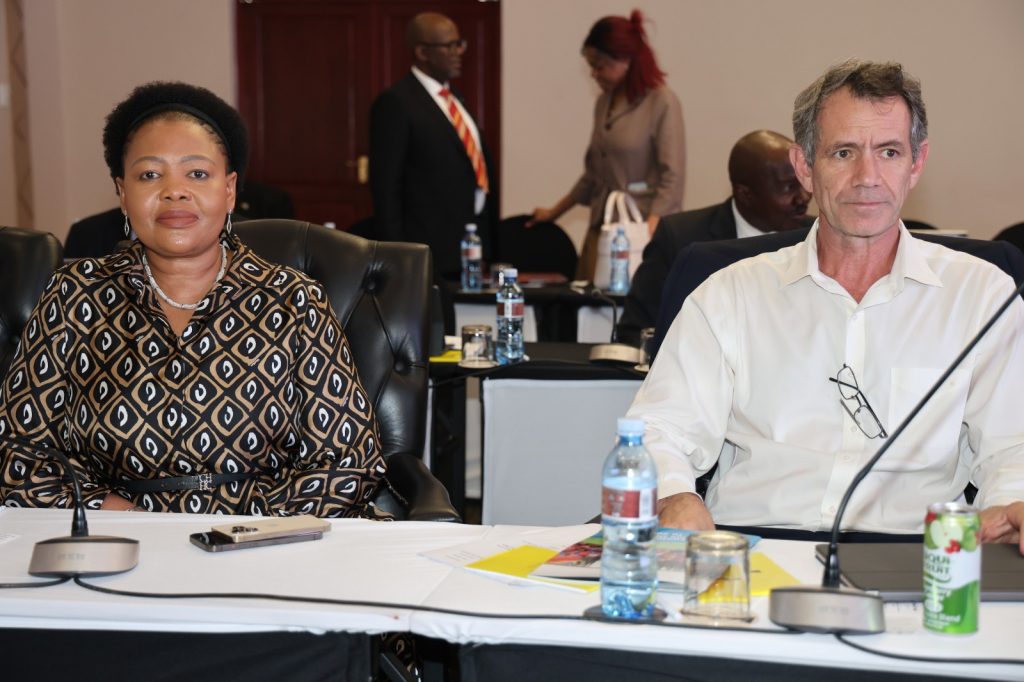
Dlamini placed responsibility for transforming institutional culture on the political and administrative leadership of ministries.
He said ministers and PSs should demonstrate the standards expected of public officers through their own conduct and attention to the implementation of government programmes.
The PM called for improvements in how ministries prepared and assessed their performance.
He said preparations for the next semi-annual review should begin well in advance, with ministries identifying what they intended to measure, who would collect the evidence and when it would be reported.
Ministries should also work with the Policy and Programme Coordination Unit (PPCU) to train planners and economists in project management, design, monitoring and evaluation.
Dlamini welcomed the United Nations’ willingness to assist government with training and strengthening the preparation of performance reports.
The PM said discussions during the review should translate into a system in which delivery and excellence formed part of government’s daily operations.
PM orders ministries to account for jobs created
EZULWINI – Every government ministry must account for its contribution towards job creation amid persistent unemployment in the country.
Prime Minister (PM) Russell Dlamini has directed ministries to identify how their policies, programmes and investments contribute towards employment and report verifiable jobs created during future government performance reviews.
The directive broadens responsibility for employment creation beyond ministries traditionally associated with economic development, investment promotion and labour administration.
Speaking during the first Semi-Annual Government Performance Review at the Royal Villas, Dlamini said employment creation was an urgent responsibility across government.
“Job creation is an urgent responsibility across Government. Every ministry must identify how its policies, programmes and investments contribute to employment,” he said.
“In future reviews, ministries must report the action they have taken, the jobs created where these can be verified and the obstacles that require a decision.”
The directive comes against the backdrop of high unemployment, particularly among young people.
According to International Monetary Fund (IMF) figures previously reported by this publication, Eswatini’s unemployment rate stood at 33.5 per cent, while youth unemployment stood at 52.2 per cent.
The figures suggest that more than half of young people participating in the labour market are unemployed.
While ministries have traditionally reported progress on programmes and infrastructure projects, the PM’s directive requires them to demonstrate how their interventions contribute towards employment.

However, Dlamini did not announce individual employment creation targets for ministries or specify how government would distinguish between permanent, temporary and indirect employment opportunities.
Meanwhile, the PM identified access to land as one of the obstacles affecting business start-ups and investment in the country.
He said delays in identifying, surveying and making land available could determine when investors commenced operations and employed people.
Dlamini called for increased technical capacity within the Surveyor-General’s Office and improved coordination among institutions responsible for land administration and related approvals.
“Access to land remains a practical constraint on business start-ups and investment. The time taken to identify, survey and make land available can determine when an investor starts operations and when people are employed,” he said.
The PM also called for the establishment of an Infrastructure Planning Committee to determine government’s priorities and coordinate project preparation across ministries.
He said infrastructure projects should take into consideration the risks associated with drought, flooding and other climate-related hazards from the outset.
Dlamini further identified electricity exports as a potential source of revenue for Eswatini.
He said the country should pursue opportunities to generate electricity for export, supported by proper project preparation, viable markets and the necessary electricity grid infrastructure.
The PM directed the ministries and institutions concerned to develop an investment programme with clear milestones.
His remarks did not specify the proposed electricity generation capacity, potential export markets, investment requirements or anticipated revenue.
The next government performance review is expected to provide an opportunity for ministries to demonstrate how their programmes have contributed towards employment creation.