Madam,
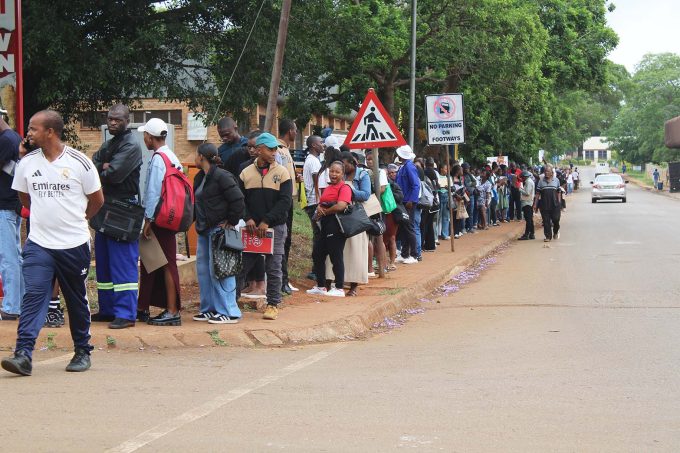
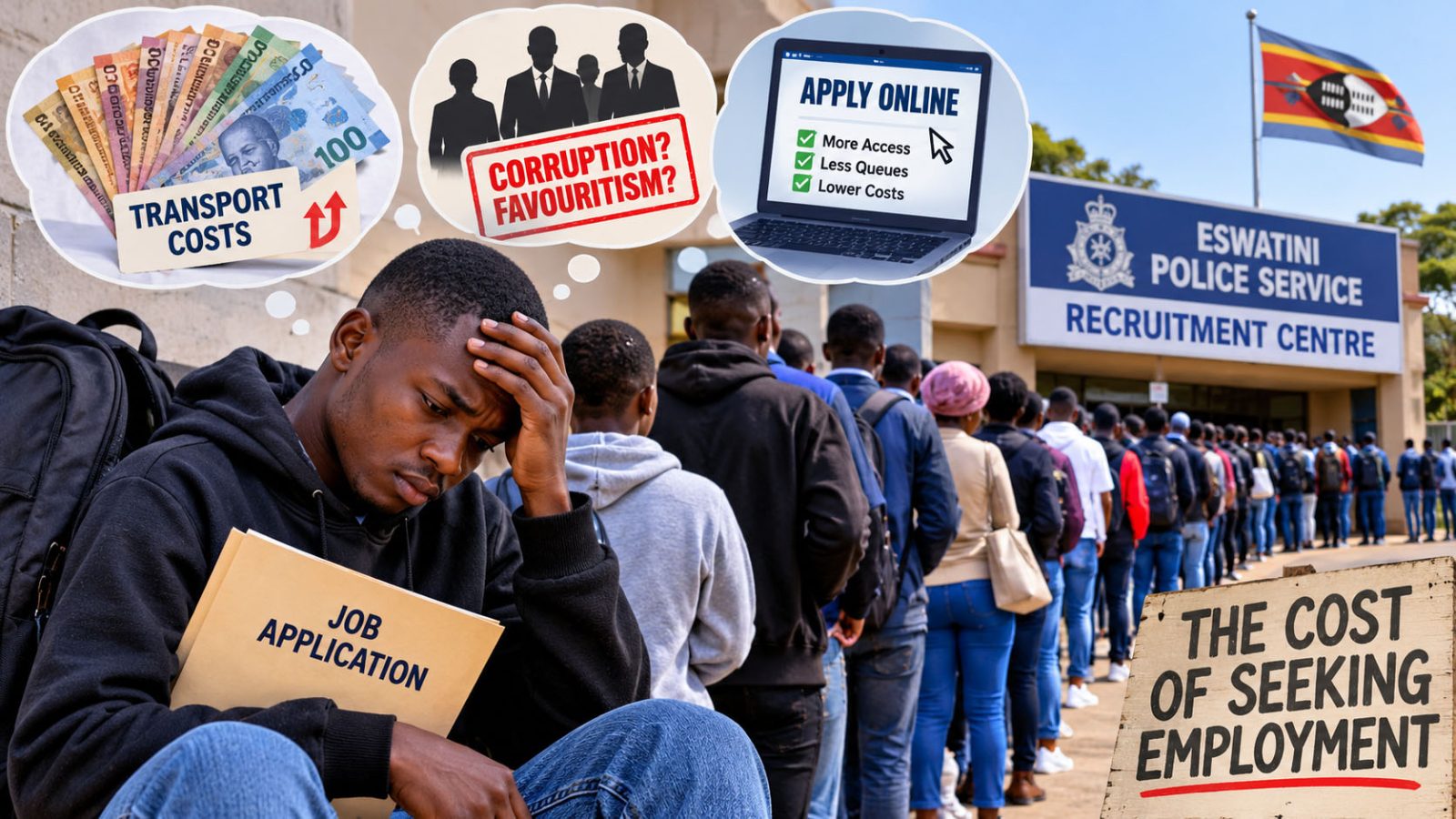
This past week has been a busy week marked by a big wave of activity, most notably the submission of applications by thousands of aspiring police officers at the country’s four regional police headquarters. Reports indicate that some of our brothers and sisters arrived as early as 1am, braving the unforgiving hours of the night in the hope of being among the first ones in the queue. Even more heartbreaking are reports that some had to borrow money merely to finance their transport to the recruitment centres.
Think about that for a moment: Young people are already plunging themselves into debt in pursuit of an employment opportunity that has not even been guaranteed. Is this not a damning reflection of the economic adversity and pervasive unemployment confronting our youth? Is it not profoundly disturbing that the mere pursuit of an opportunity to earn an honest living has become such an expensive undertaking?
Behind every application is more than an individual seeking employment; there is a family harbouring expectation, a parent stretching limited resources, a household yearning for a financial breakthrough and a young person desperately hoping that this one opportunity might finally become the turning point in their life.
Beyond the burden of transport expenses, however, lies a deeper and more distressing concern: The perception that corruption, favouritism and personal connections can determine who gets through. We must be careful not to present allegations as established facts; nevertheless, can government ignore the damage such perceptions inflict on public confidence? Growing up, many of us heard accounts of recruitment lists allegedly originating from those with broad shoulders and influential individuals in the ruling system. These claims have circulated for years and their repetition has left some young people questioning whether recruitment is genuinely impartial. If opportunities are limited and only a fraction of applicants can be accommodated, what assurance does the ordinary liSwati have that merit will prevail?
Fairness
What becomes of the capable young person without influential relatives, a powerful surname or someone to make a call on their behalf? Is fairness negotiable?
Consider the young person whose mother borrowed bus fare, who left home before sunrise, stood in a queue and presented everything required with the hope that diligence, competence and eligibility would count for something. What are we asking of such a person when the process itself becomes an expensive test of endurance? Must they wonder whether the outcome was decided before applications were even received? No young liSwati should approach a public recruitment exercise fearing that an opportunity may already have been reserved for someone else. Government has a responsibility to protect the credibility of these processes through transparent shortlisting, impartial assessments and meaningful accountability. If recruitment is conducted fairly, why should the procedures not be sufficiently open for the public to understand and trust?
There is also a solution to the needless costs and inconvenience applicants face.
Why should young people travel to Manzini, Siteki, Mbabane or Nhlangano in this burning sun merely to submit applications when secure digital systems could make the process more accessible? Eswatini has an awful lot of capable information technology professionals, whose expertise could contribute to developing an efficient online application platform. Why not harness local talent to modernise public administration? Online applications would reduce travel, queues and avoidable expenditure, particularly for applicants who live far from submission centres. At the same time, government must not exclude those without reliable internet access; accessible physical submission points should remain available.
Arrangements
Interview arrangements should also consider applicants’ travel costs. In a country where every cent matters like water in the life of a human being, can we continue imposing expenses that technology and thoughtful planning could reasonably reduce?
In conclusion, those long queues should be more than a recruitment spectacle; they should be a warning about the scale of unemployment and the scarcity of opportunities confronting young emaSwati.
When so many people compete for a number of vacancies, should we not be asking harder questions about job creation, economic inclusion and the future being prepared for the next generation?
Concerned citizen