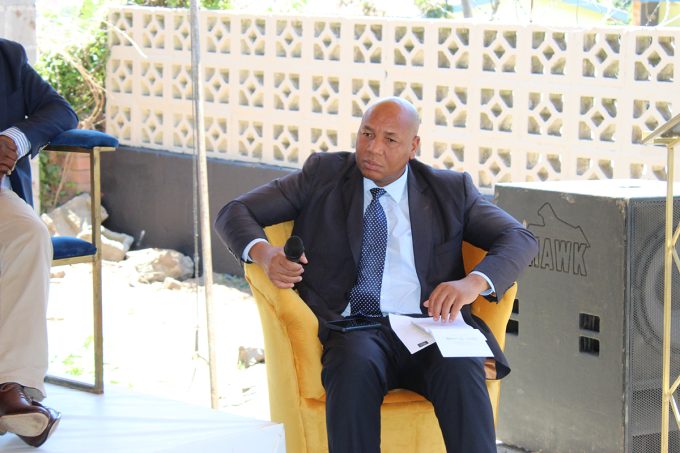


When Prime Minister Russell Mmiso Dlamini opened the inaugural National Population and Development Summit in Matsapha on November 18, he called for Eswatini’s fertility rate to rise from the 3.2 children per woman he cited to at least four. The reaction was swift and sceptical. How can families already struggling to make ends meet raise more children?
It is a fair question, but not the only one. Lost in the noise is what the prime minister actually stressed: The aim is not simply more births, but healthy, educated children whose families are properly supported. To see why population matters, we must look at what children mean in economic terms.
Children are tomorrow’s workforce. Every economy runs on people who produce, build, teach, heal and innovate. A country with a shrinking pipeline of young people eventually faces labour shortages, slower output and fewer new ideas. Ageing, low-fertility societies such as Japan and parts of Europe know this well, and they now spend heavily trying to reverse it. Eswatini can act before it reaches that point.
Children are also tomorrow’s consumers. Eswatini is among Africa’s smallest countries and a small domestic market limits what local businesses can sell.
More people mean more demand for food, housing, transport, education and services, giving local entrepreneurs the customers they need to grow and hire. This matters because the prime minister has also urged young people to become job creators rather than job seekers. Entrepreneurs need markets and people are the market.
Then there is the question of who pays for the future. Pensions, public healthcare and government services are funded largely by today’s working taxpayers. When the working-age population is large relative to the elderly, the burden is shared lightly. When it is small, each worker carries more. A healthy base of young people is the surest way to protect tomorrow’s elderly, including those of us working today.
A growing young population can also become what economists call a demographic dividend. This happens when the number of working-age people rises relative to dependants and those people find productive work. Several fast-growing economies built their prosperity on exactly this window. It is not automatic, but it is an opportunity that countries with shrinking youth populations cannot access at all.
Critics are right that jobs, schools and clinics must expand alongside families and the deputy prime minister has said as much. Yet this is less a rebuttal than the second half of the same argument.
Children raised well become the skilled workforce that attracts investment and the prime minister himself acknowledged that poverty and unemployment remain serious obstacles. The right response is not to dismiss the call, but to demand the policies that make it work: Affordable education, accessible healthcare, support for families and an economy that rewards enterprise.
Nor should the call be read as pressure on women. Choice must remain central. However, a government that signals welcome and support for those who want larger families, including in rural homesteads where big families are already common, is planning wisely.
Nations do not grow by shrinking. A small country with big ambitions needs people: Healthy, educated, hopeful people. The prime minister has put a long-term question on the table. We should answer it by building an Eswatini in which a fourth child is a source of promise rather than worry.