I intended to write about the need for government to subsidise basic services like electricity and water, because these services are a right, not a privilege. I beg to differ with the minister for Finance that government cannot continue to cushion emaSwati against rising costs of electricity.
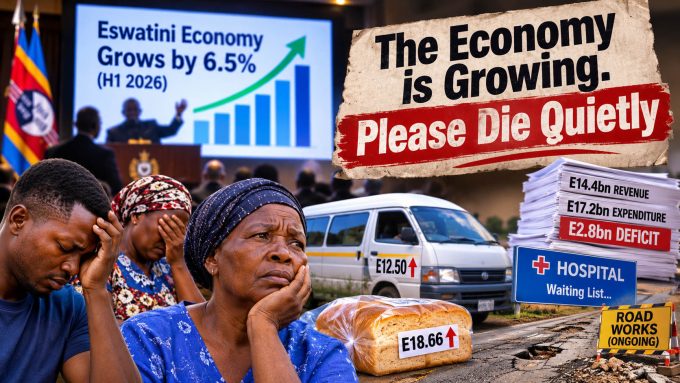
Households from Mbabane to Lavumisa are weighing the cost of a loaf of bread against a few kilowatts of prepaid electricity or a cubic metre of tap water. As utility tariffs continue their upward trajectory, the question facing policymakers is no longer merely fiscal; it is existential.
A large proportion of Eswatini’s population lives on fixed or modest incomes, including civil servants, retail workers, informal traders and the elderly who rely on monthly social grants. Utility tariff hikes are inherently regressive: A 15 per cent to 18 per cent jump in electricity or water bills consumes a far larger share of a low-income family’s earnings than that of a wealthy household. Without targeted State intervention, families are forced into impossible choices, such as buying prepaid electricity units instead of nutritious food or rationing water at the expense of basic hygiene. Expanding lifeline tariff subsidies and directly funding utility relief prevents vulnerable households from sliding deeper.
Pushing essential utilities beyond the reach of ordinary citizens carries severe hidden costs for the State. When electricity becomes unaffordable, households revert to firewood and charcoal, accelerating deforestation and indoor air pollution, which in turn drives up public healthcare expenses.
Back to the topic for today, while agonising about the uncertainty facing scores of young people in Eswatini, I felt it was necessary to offer a message of hope so that they continue to search for a better life.
Growing up in Eswatini, it is easy to look at your circumstances and feel as though your story has already been written. Whether you are walking miles to school on an empty stomach, watching your parents or gogo stretch every Lilangeni to put food on the table or sitting at home after high school wondering how you will ever afford tertiary education or start a business, struggling in winter to cope with the cold because of lack of blankets, among other challenges – indeed, the weight of poverty is real and it can be exhausting.
When opportunities seem scarce and doors appear locked, giving up can feel like the most logical choice. I dare say, it is not! Your starting point in life is simply where your journey begins; it is not your destination. Many successful emaSwati have been in your sad situation.
Indeed, your circumstances are a chapter, not the whole book. Across our kingdom, from the rural homesteads of Shiselweni and Lubombo to the bustling streets of Manzini and Mbabane, countless emaSwati have risen from humble beginnings to become teachers, doctors, nurses, entrepreneurs, engineers, NGO leaders, pastors, Members of Parliament and community leaders, to mention a few. They did not succeed because they had everything handed to them; they succeeded because they refused to let a lack of money convince them that they lacked potential.
Poverty tests your patience, but it also builds a resilience that comfort never can. If you know how to survive with very little, imagine what you can build once you gain skills, discipline and opportunity.
Practical ways to keep moving forward
Hope without action fades quickly. Even when resources are tight, there are concrete steps you can take right where you are:
If you are still in school, treat your books like your ticket out. Education, they say, is a gateway out of the cycle of poverty. If you have finished school and cannot afford university right now, look for free vocational workshops, NGO and youth initiatives or online courses. Skills make you valuable even before you have capital.
Entrepreneurship is the way to go. Many emaSwati who were illiterate immersed themselves in business. Many thriving businesses in Eswatini started with a single crate of vegetables, a small sewing machine, phone repairs or baking scones for neighbours. Do not despise small beginnings, consistency turns small daily profits into real capital.
Surround yourself with peers who talk about ideas, growth and solutions rather than despair, substance abuse or shortcuts. Who you walk with shapes where you end up. The Bible says, ‘Bad company ruins good character’
Never be ashamed of where you come from. Speak to teachers, church leaders, local entrepreneurs and youth organisations. People are far more willing to guide or sponsor someone who shows hunger, honesty and hard work.
Never give up. Keep on trying. Keep knocking on doors. Keep learning. Keep showing up with integrity. You may not have had a say in the conditions you were born into, but you hold the key to what happens next. Do not give up, your future is still yours to build.