

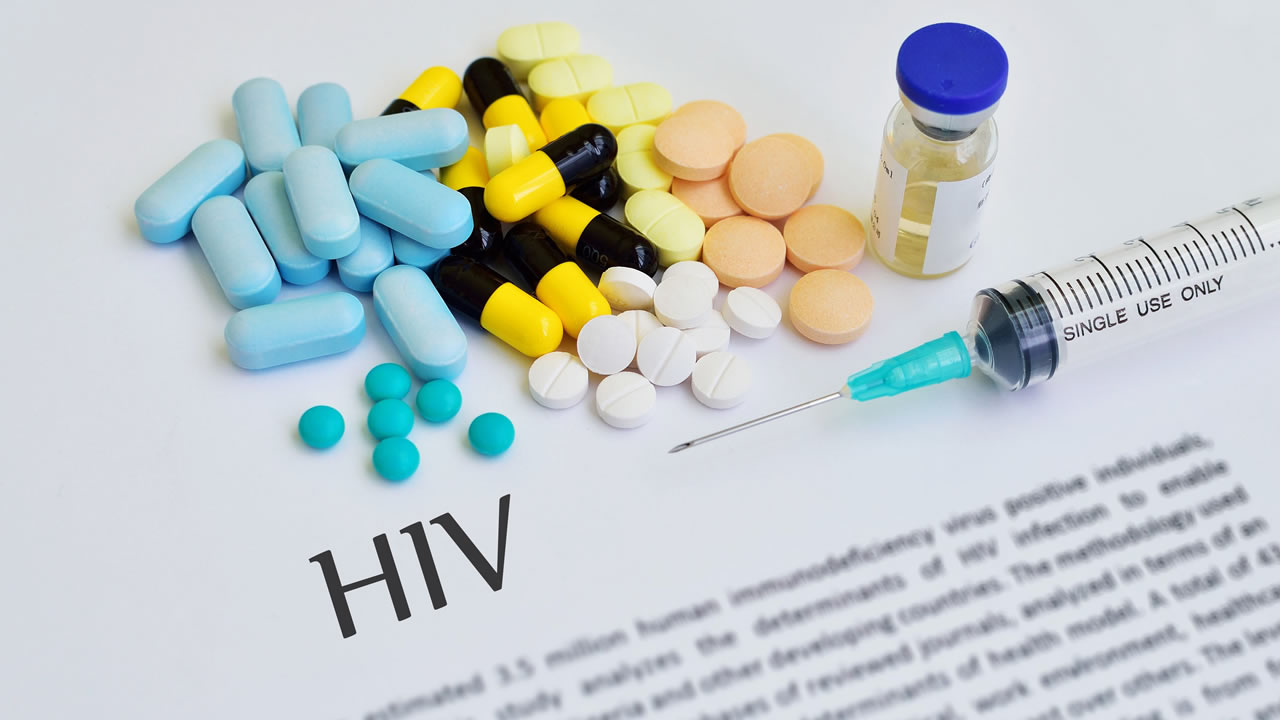
MBABANE – NERCHA is backing the newly approved long-acting injectable PrEP, Lenacapavir.
The organisation hails it as a significant leap in HIV prevention, despite concerns over its affordability, currently.
The National Emergency Response Council on HIV and AIDS (NERCHA) has unequivocally voiced its strong support for the recent approval of Lenacapavir, a groundbreaking long-acting injectable Pre-Exposure Prophylaxis (PrEP), by the United States Food and Drug Administration (FDA). This landmark development, announced on June 18, 2025, is being celebrated as a transformative breakthrough in the persistent global fight against HIV and AIDS, offering a revolutionary and significantly less frequent prevention option.
Prevention
Lenacapavir, marketed under the brand name Yeztugo for prevention, is a first-in-class HIV-1 capsid inhibitor developed by Gilead Sciences, Inc. Its journey from concept to approval spans nearly two decades of dedicated research and development.
Unlike previous antiretroviral drugs that target specific enzymes, Lenacapavir works by interfering with the HIV capsid, a protein shell crucial for multiple stages of the viral lifecycle, including assembly, uncoating and reverse transcription. This unique multi-stage mechanism of action allows it to effectively inhibit the virus, even against strains that have developed resistance to other drug classes. According to Sibusiso Ngubane, NERCHA’s Communications Focal Person, the most compelling aspect of this innovation lies in its dramatically reduced dosing frequency. In stark contrast to daily oral PrEP regimens, Lenacapavir requires only two injections per year, administered subcutaneously. This translates into a substantial reduction in the number of clinic visits an individual needs for HIV prevention, thereby enhancing convenience and, crucially, improving adherence to the prevention regimen.
Schedule
Such a simplified schedule is anticipated to overcome common barriers associated with daily pill burdens and frequent healthcare appointments, making PrEP a far more accessible and practical option for diverse populations globally.
The FDA’s decision to approve Lenacapavir for prevention was underpinned by robust data from two pivotal Phase 3 clinical trials, PURPOSE 1 and PURPOSE 2. These trials, conducted across various continents and involving a broad range of participants, demonstrated exceptionally high efficacy, with rates of HIV prevention reaching nearly 100 per cent in certain groups.
The drug was initially approved in December 2022 for the treatment of multi-drug resistant HIV, with its application for prevention being granted priority review and breakthrough therapy designation due to its significant potential. While embracing this monumental scientific advancement, NERCHA has concurrently highlighted a critical concern regarding the drug’s affordability.
With an estimated annual cost ranging between E451.50 and E505.68 (US$25 – US$28) per person, immediate widespread accessibility for the broader population in Eswatini could face significant challenges.
International bodies like UNAIDS and Unitaid have also echoed these concerns, calling on Gilead Sciences to lower the price to ensure equitable global access.
Agreements
Gilead, for its part, has initiated voluntary, royalty-free licensing agreements with six generic pharmaceutical manufacturers, aiming to make lower-cost versions available in 120 high-incidence, resource-limited countries, including those in sub-Saharan Africa. This proactive step, taken even before global regulatory submissions for prevention, signifies a commitment to broader access.
NERCHA consistently advocates for comprehensive HIV prevention strategies, urging emaSwati to actively utilise all available modalities.
These encompass various forms of PrEP, such as oral PrEP, vaginal rings, event-driven PrEP for males and now, the highly anticipated injectable PrEP.
Other vital prevention methods championed by NERCHA include Post-Exposure Prophylaxis (PEP), consistent and correct condom use, and Voluntary Medical Male Circumcision. The introduction of Lenacapavir adds another powerful and promising tool to this multifaceted approach, reinforcing the collective commitment to accelerate the end of the HIV epidemic worldwide.
Continued efforts to address affordability will be paramount to unlocking the full potential of this game-changing intervention.


















Leave a comment