

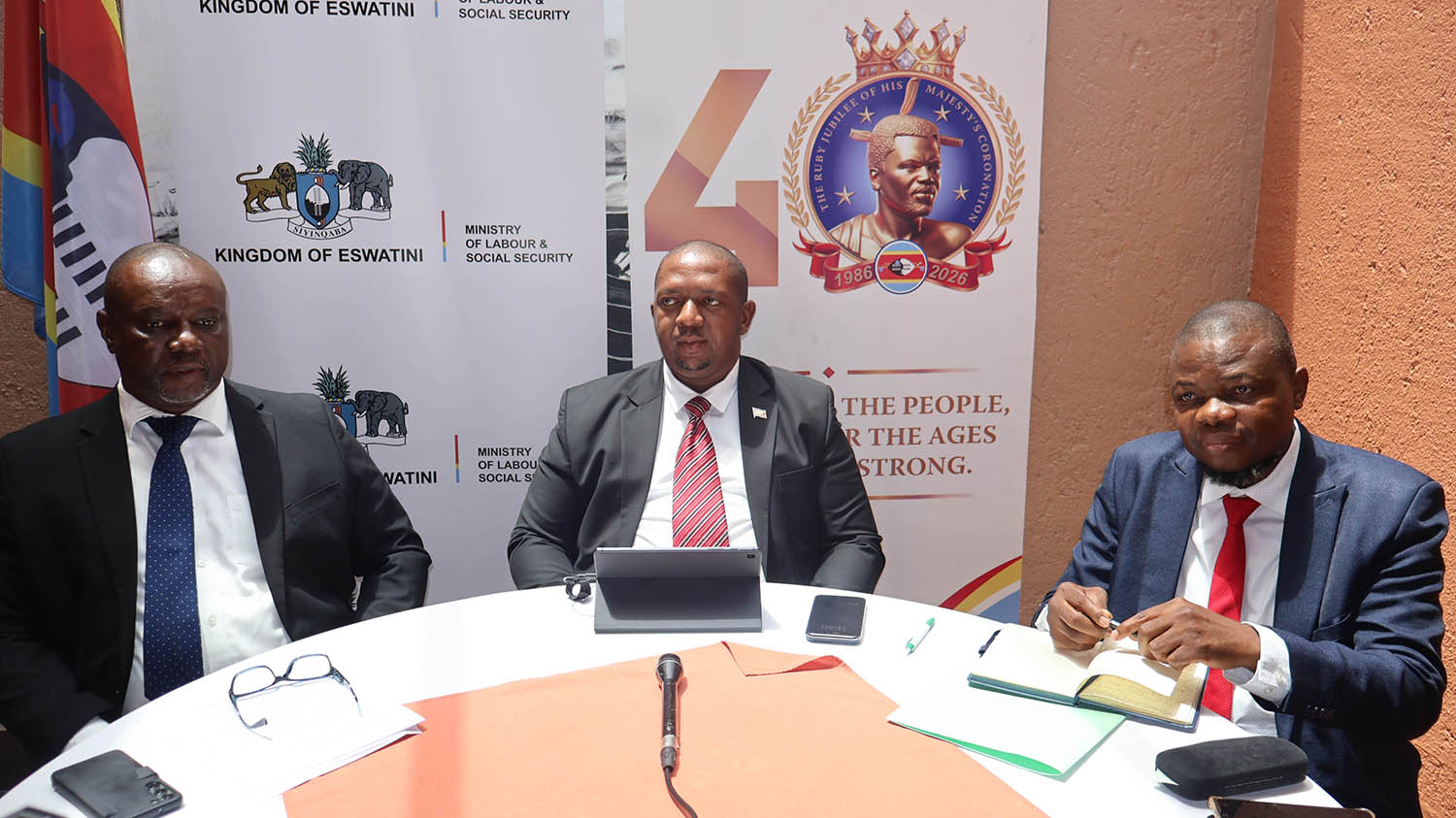
EZULWINI – Workers across Eswatini are entering 2026 under a new wage regime, with increases ranging between four per cent and 10 per cent.
This is under the latest Wages Regulation Orders announced by the Ministry of Labour and Social Security.
The new adjustments mark a readjustment from the previous cycle, where the average increment stood at 8.24 per cent across 16 regulated sectors and in some industries reached as high as 20 per cent.
Labour Minister Phila Buthelezi unveiled the 2025 Wages Regulation Orders during a press briefing at Royal Villas in Ezulwini, confirming that 15 private sectors had concluded negotiations through their respective wages councils. The revised wages will take effect in 2026.
At the core of the adjustments, government says, is a delicate balancing act between protecting workers’ purchasing power and maintaining business sustainability in a fragile economic climate.
*…
Domestic workers’ minimum wage now above E1 500
EZULWINI – Domestic employees, who received a seven per cent across-the-board increase in 2024, will again receive seven per cent in 2025.
However, a new differentiation has been introduced. Workers earning above the prescribed minimum wage at the time of publication will receive a 3.5 per cent increase instead.
In 2024, the lowest paid domestic worker’s monthly wage increased from E1 350.55 to E1 452.21 and now it is projected to increase to E1 553.86. A house mother’s wage rose to E1 926 per month in 2024 and is projected to earn over E2 000 in 2026.
*…
SATU rejects 5% wage hike for security industry
MBABANE – The Swaziland Amalgamated Trade Union (SATU) has expressed dissatisfaction with the five per cent wage increase granted to workers in the watching and protective (security) industry.
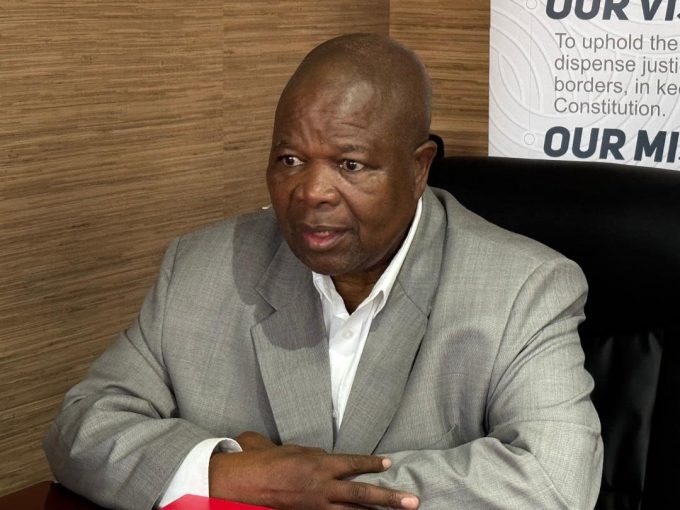
SATU Secretary General Frank Mncina said the increment was insufficient, given the current economic climate and the challenges facing workers in the sector.
“The situation in the watching and protective industry is dire as there are a number of issues. We are not happy with the five per cent. The increase does not even place some workers on the basic salary scale as some companies are paying very low wages,” said Mncina.
He argued that the rising cost of living in the country makes the increment inadequate to sustain workers and their families.
“The cost of living is too high in the country and this will not be enough to sustain lives,” he said.
Mncina further highlighted what he described as unfair competition within the industry, where some security companies allegedly fail to comply with minimum wage standards and other labour regulations.
*Full article available on Pressreader*


















Leave a comment