

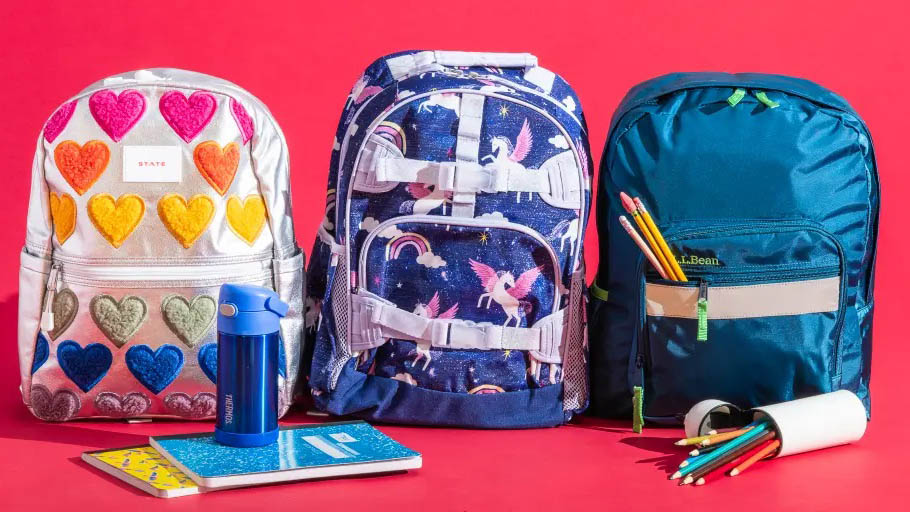
As parents prepare for the new school year, one of the most important yet often overlooked purchases is the school backpack. Beyond colour and cartoon characters, a backpack plays a critical role in your child’s comfort, posture and overall school experience.
With learners carrying books, stationery, lunch boxes and sometimes even tablets, choosing the right backpack is an investment in your child’s health and readiness to learn. Many children suffer from back, neck and shoulder pain caused by backpacks that are too heavy, poorly designed or wrongly fitted. Health experts warn that carrying an ill-fitting bag daily can lead to long-term posture problems, especially for young learners whose bodies are still developing. As schools reopen, parents are encouraged to be intentional and informed when selecting a backpack.
Things to consider
A backpack should be proportionate to the child’s body. It should not be wider than the child’s shoulders or hang lower than the waist. Oversized bags may look fashionable, but they encourage overpacking and place unnecessary strain on the spine. Equally important is weight. Ideally, a loaded backpack should not exceed 10–15 per cent of a child’s body weight.
Comfort is another key factor. Padded shoulder straps help distribute weight evenly and reduce pressure on the shoulders. Adjustable straps allow the bag to grow with the child and ensure a snug fit.
A padded back panel. Adds extra support and protects the spine from sharp-edged books.
Durability and functionality also matter. This is key in busy school environments. A good backpack should withstand daily use, rough handling and changing weather conditions. Multiple compartments help organise books and stationery, preventing everything from piling into one heavy section. Side pockets for water bottles are a practical bonus, encouraging hydration without spills inside the bag.
Key features of a good backpack include:
- Wide, padded and adjustable shoulder straps
- A padded back panel for comfort and spinal support
- Lightweight but durable material
- Multiple compartments for balanced packing
- Reflective strips for visibility and safety
- A size that suits the child’s age and height
For many parents, experience has taught them the value of choosing wisely. “I used to buy bags based on how nice they looked,” said Siphelele Dlamini, a mother-of-two from Manzini. “But my son started complaining about back pain in Grade III. When I switched to a padded, well-sized backpack, I noticed the difference immediately. He walks more comfortably and doesn’t complain anymore.”
As the school year begins, parents are reminded that a backpack is more than just a school accessory. It is a daily companion that should support, not strain, your child. By prioritising comfort, safety and quality, you help set your child up for a healthier and more confident school journey.

















Leave a comment