


(Audiology specialist at Ears & Cheers)
Hearing is central to how we communicate, build relationships and experience the world.
Yet more than 430 million people globally are living with hearing loss, a number that continues to rise due to ageing, prolonged noise exposure, infections and untreated ear conditions. Many people remain unaware that early care and preventive steps can protect or even improve their hearing.
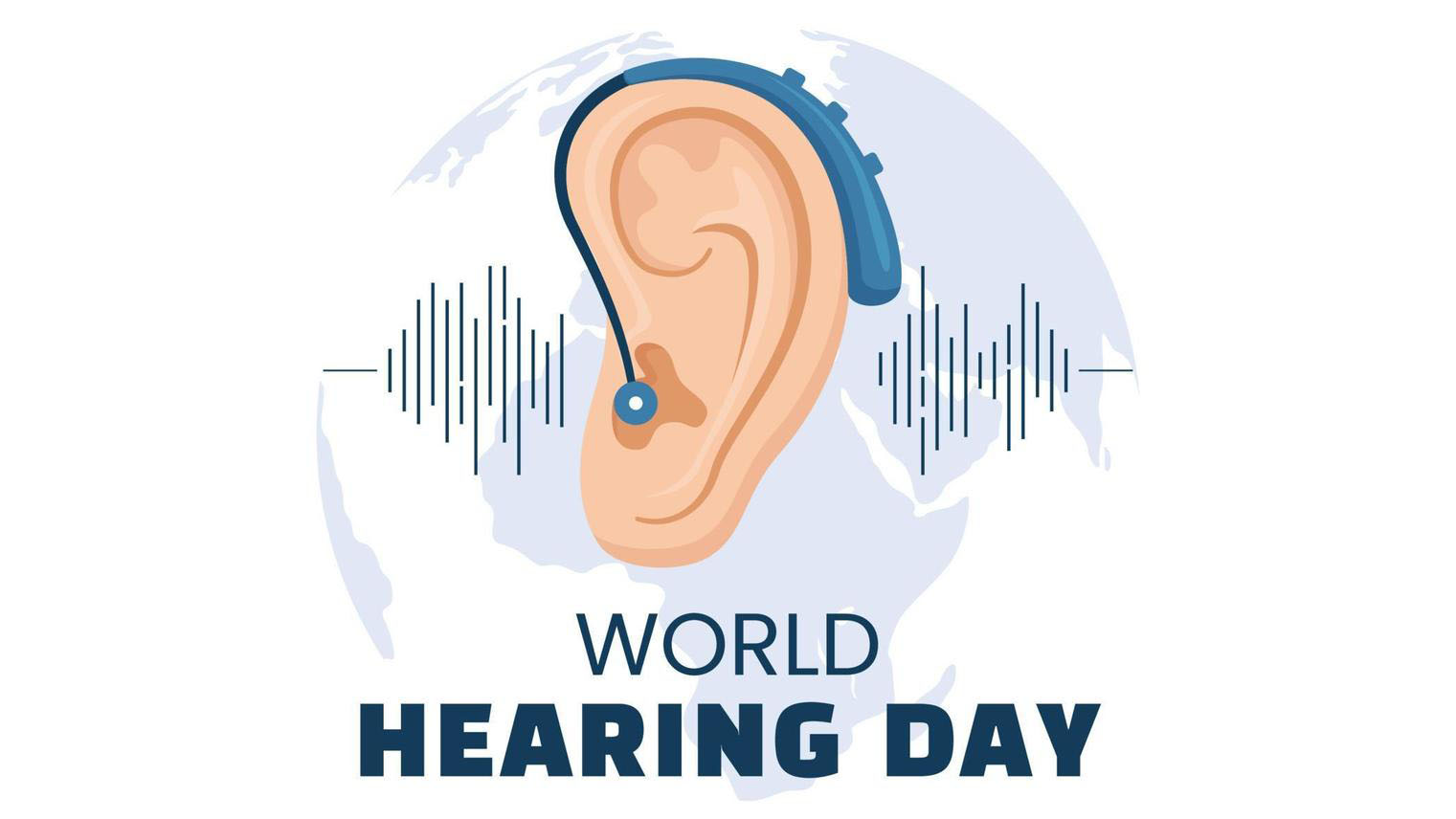
Observed annually on March 3, World Hearing Day, also known as World Deafness Day, raises awareness about preventing deafness and promoting ear and hearing care. Modern lifestyles have increased the risk of hearing damage, with loud music, constant headphone use, environmental noise and untreated ear infections among the leading causes.
Hearing loss is defined as a partial or complete inability to hear in one or both ears. It may develop gradually or suddenly. The main types include conductive hearing loss, caused by blockages or infections in the outer or middle ear; sensorineural hearing loss, resulting from inner ear or nerve damage and often permanent; mixed hearing loss, which combines both; and noise induced hearing loss from prolonged exposure to loud sounds.
The impact of hearing impairment extends beyond the ears. It can cause difficulty following conversations, especially in noisy places, leading to frustration and social withdrawal.
In older adults, untreated hearing loss has been linked to cognitive decline and increased dementia risk. Work and academic performance may also suffer.
Early warning signs include:
- Frequently asking people to repeat themselves
- Increasing the volume on devices, struggling to hear high pitched sounds
- Tinnitus
- Muffled hearing and avoiding conversations
- Sudden hearing loss
- Persistent ringing
- Ear pain and discharge
- Dizziness or balance problems require immediate medical attention.
Diagnosis may involve audiometry tests, tympanometry and imaging scans. Treatment options depend on severity and cause, ranging from hearing aids and cochlear implants to bone anchored systems, medication or surgery. Assistive listening devices and auditory training can also improve communication.
Prevention remains crucial. Limiting noise exposure, using ear protection, maintaining proper ear hygiene, treating infections promptly and scheduling regular hearing tests can significantly reduce risk. Managing chronic conditions like diabetes and hypertension also supports hearing health.
Hearing loss is not always reversible, but with awareness, early detection and the right care, it is manageable. Protecting your hearing today ensures a fuller, more connected tomorrow.
WHEN TO SEEK MEDICAL ATTENTION FOR HEARING LOSS?
Delaying treatment can worsen hearing impairment and affect daily communication, work and mental well-being. Do not let hearing loss hold you back. Enhance your hearing, enhance your life with Ears & Cheers. Visit us at Matsapha Clinic or contact us at 7671 5999/7974 4412 to schedule an appointment.



















Leave a comment