

Mr B is a 48-year-old businessman who has been struggling with toothache for several weeks. He consulted a dentist, but no dental causes could be found. The pain is dull and constant, but fluctuating in intensity towards the evenings.
What is toothache?
Toothache is caused when the nerve in the root of a tooth or surrounding a tooth is irritated. The most common causes of toothache are:
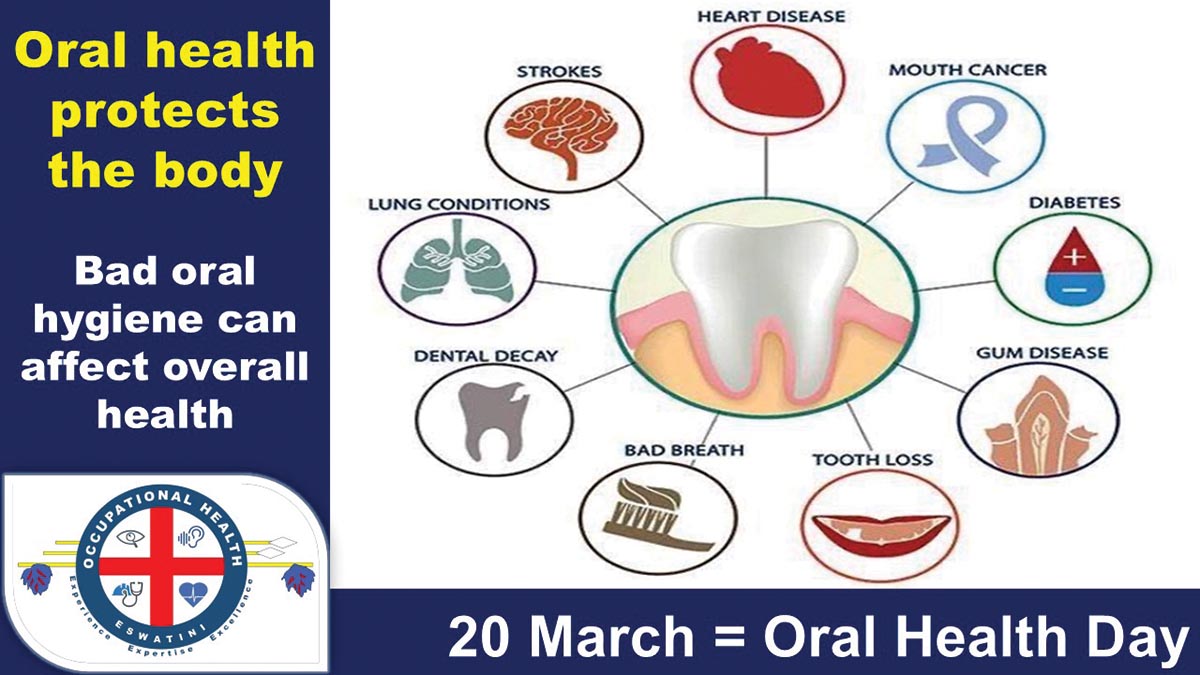
Dental (tooth) decay: Our teeth are under attack every time we eat. Our mouths house thousands of bacteria that feed off our food, especially sugar. They do this by producing acid, which causes enamel damage or cavities.
Gum disease: When gums shrink away from teeth, it exposes the roots causing sharp pain, especially when drinking something cold.
Recent cleaning (whitening) or a new filling may make your teeth sensitive for a few weeks.
Loose filling
Injury: Cracked tooth or pulled tooth
Wisdom tooth: Pain is only felt while it’s coming out and only in that corner of the mouth, often lower jaw.
Grinding teeth: It’s a common problem brought on by stress, sleep disorders or a bite issue. It can wear away enamel and even crack a tooth.
Other causes of toothache?
Sometimes pain can present as toothache while it originates from other areas like these:
The jaw or TM-joint: Conditions of our bones and joints, like osteoarthrosis and some autoimmune conditions can cause pain.
Ear conditions: Especially untreated middle ear infections.
Sinus congestion or infection
Heart problems (rarely)
Headaches: Especially cluster headaches and migraines
Important findings during consultation:
Mr B suffered a bad flu shortly before his toothache started. The toothache mostly involves his upper pre-molar teeth on the right. Mr B is has an itchy right eye.
Dr T’s advice:
The first step towards relief is to find out what’s wrong. These kinds of cases often present after seeking dental services first. Mr B’s problem is most likely caused by a congested right sided maxillary sinus which started while suffering a bad flu. The maxillary sinus is a cavity in our skulls, directly behind our cheeks. The nerves of our upper teeth run through this sinus. Congestion puts pressure on these nerves, causing pain. It can also obstruct the eye’s tear duct, causing dry or itchy eyes. A skull X-ray should help to confirm.
Decongestion. This is the main goal. This includes increasing water intake, steaming the airway and using decongestants to thin out the thick phlegm (acetylcysteine, bromocriptine.
Antibiotics can be considered
A referral to an ENT specialist for drainage is recommended if it’s still not resolved. Continue good oral hygiene to prevent dental problems, i.e., floss, brush twice daily and have your teeth cleaned twice a year.
More to folloW
Part II is available on The Times of Eswatini (X), dr.thys (Instagram) and OccHealthEswatini (Facebook).



















Leave a comment