

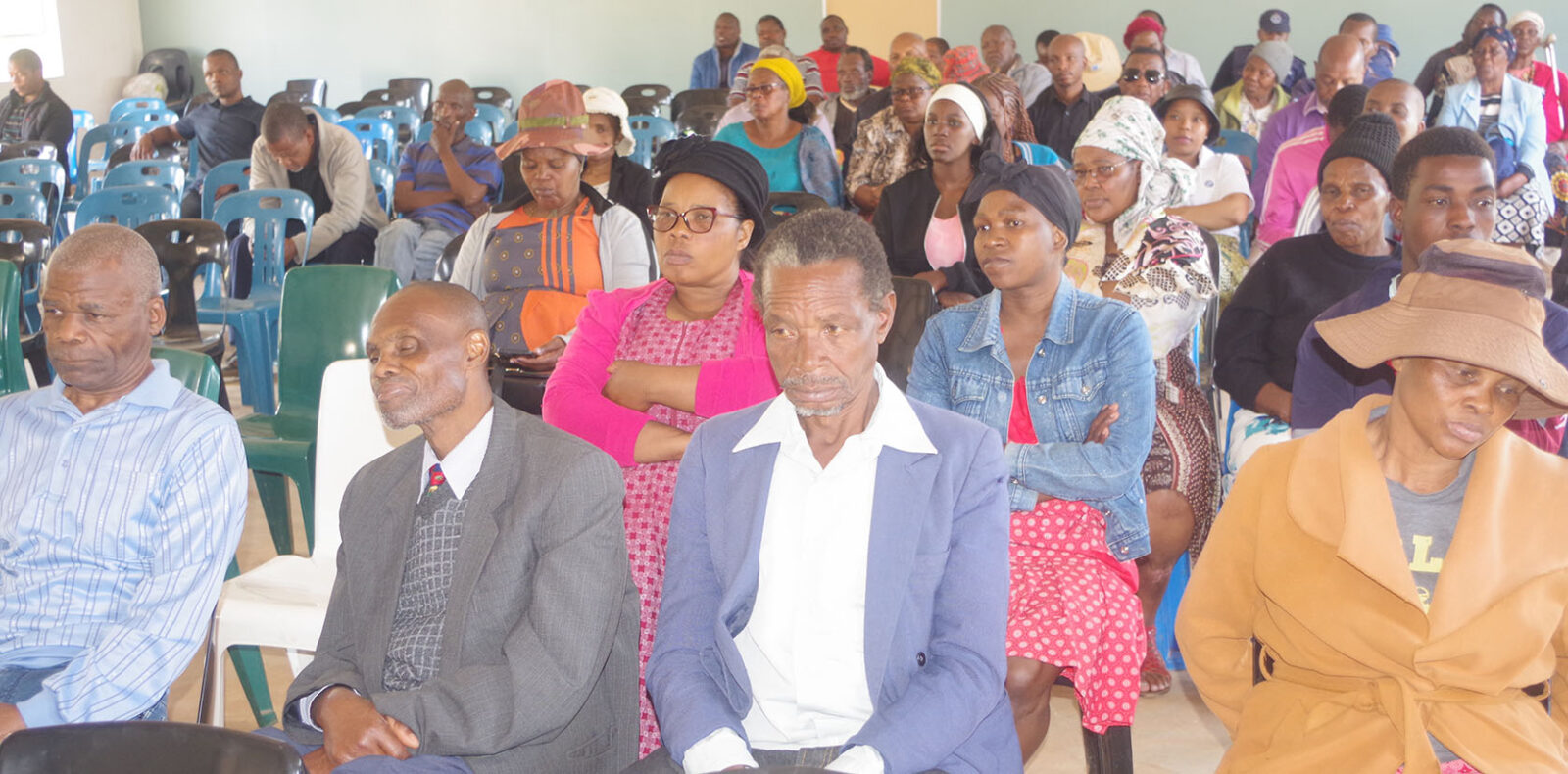
EZULWINI – Making a chief code a requirement for election registration has caused division among residents of Ezulwini.
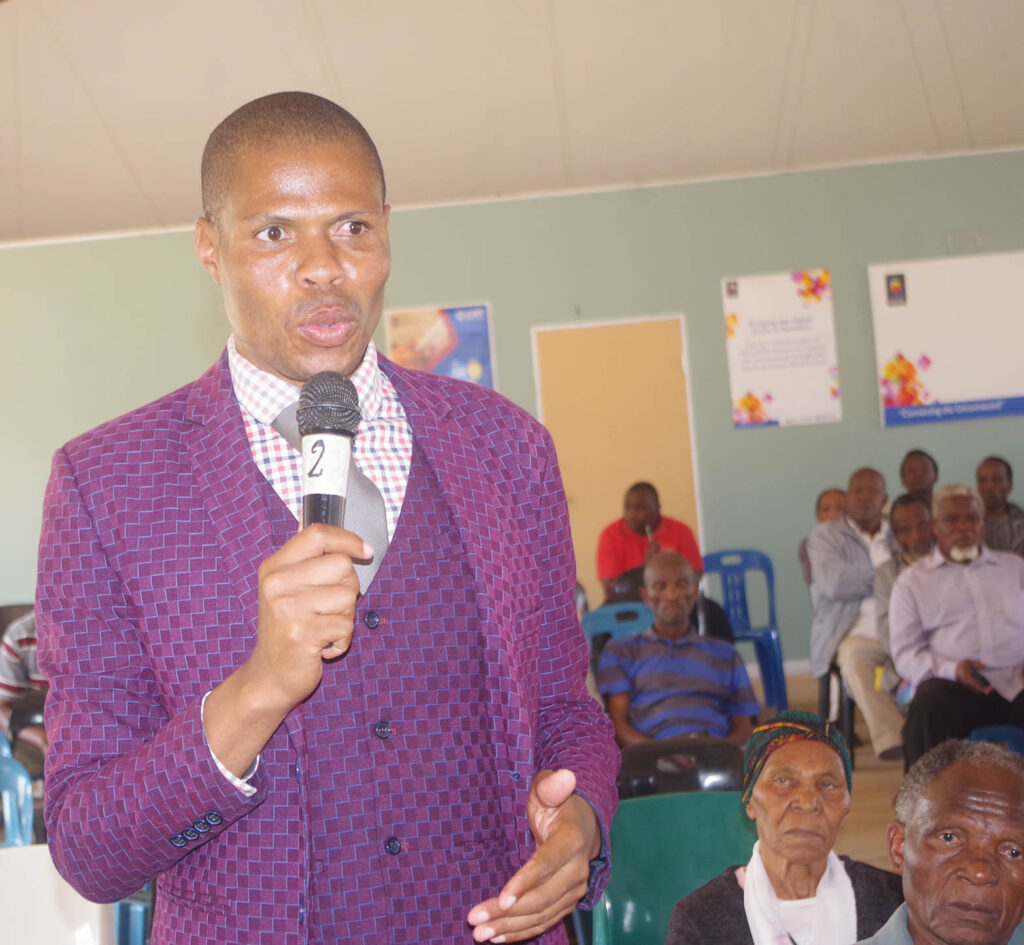
This followed a call from former Indvuna Yenkhundla from Lobamba, Bhekisisa Bhembe, who advocated for a compulsory chief code to be included among the essential documents during the registration process. Bhembe believes that considering the chief code could help prevent vote-buying, which he described as detrimental to deserving candidates.
Bhembe stated that neglecting the chief code was a significant disappointment to the fathers of the communities, who hold important positions within the system of government. He said: “I think we mess it up from the registration process, which is key. It’s high time our chiefs engage relevant stakeholders such as the regional secretaries and regional administrators to make chief codes a key requirement in the first and crucial phase of the election. This could prevent situations where outsiders are paid to vote for certain candidates.”
He also criticised the practice of allowing people to participate in elections merely because they have resided in an area for six months or more, describing this as another contributing factor to vote-buying. Bhembe claimed his suggestions were prompted by past elections, alleging he had evidence such as photographs taken inside the voting booth as proof of pre-election arrangements, including payments made to voters.
He expressed concern that the Elections and Boundaries Commission (EBC) was lax in enforcing laws, noting that cellphones were not permitted during the voting process, which he believed was a weakness. Bhembe suggested that all residents should vote at their place of origin to improve the welfare of their respective chiefdoms.
Mlondi Sikhondze echoed Bhembe’s sentiments, proposing a comprehensive exercise to enable all residents of Ezulwini who wish to register and vote to do so using their National Identity Documents.
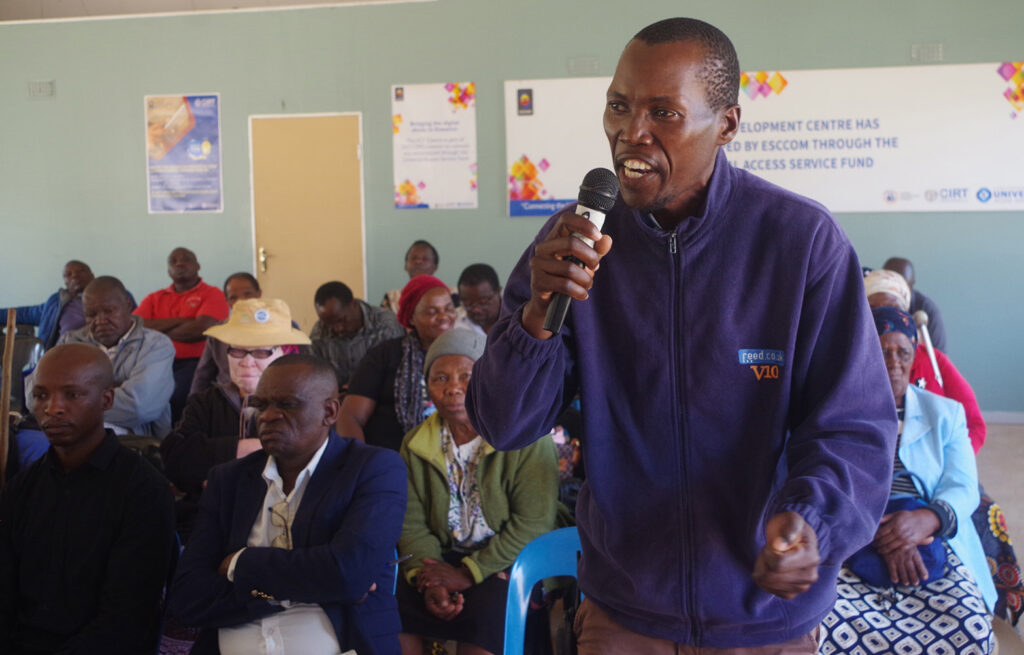
Zweli Dlamini also shared the view that the absence of a chief code perpetuated corruption among dishonest individuals. He argued that making the chief code a mandatory requirement during the initial phase of the election was the only solution.
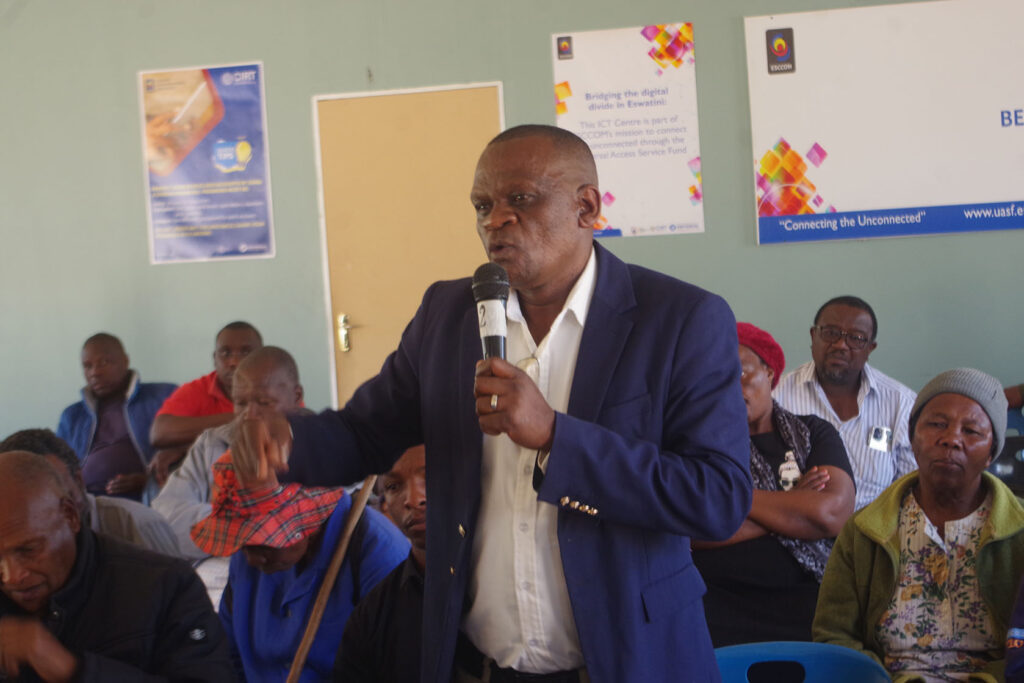
On another note, Bhembe criticised the use of utility bills as proof of residence, claiming it opens avenues for corruption. He argued that accepting utility bills, such as electricity purchase slips, could allow many individuals to evade the vetting process. However, there were residents who did not support Bhembe’s suggestion. Wandile Dlamini cautioned that the issue of chief codes should be considered carefully and not rushed.
He pointed out that within Lobamba Inkhundla, some individuals claim to be part of areas without chiefs (emahambate), such as Ebuka and Mpolonjeni. Wandile noted that these individuals had participated in the formation of government through elections, despite believing they do not belong to any chiefdom. He argued that such people could not be forced to register IDs under a chief they do not recognise.
Furthermore, some residents expressed concern that making the chief code compulsory might deprive a significant portion of the population of their voting rights, as they were in the fast-developing town for various reasons.
Another resident raised issues related to the zoning of the area, claiming it made it difficult for residents to know each other and assess one another’s capabilities before elections. The resident added that zoning created unnecessary disputes, with some members of the same chiefdom accusing others of being strangers, despite having been born and raised in the area.
Deputy Commissioner of the Elections and Boundaries Commission, Bishop Sipho Tembe, had no immediate ruling on the proposal to make the chief code a requirement for the first phase of elections. He stated that the issue had been raised at various imiphakatsi, which gives the commission the task of considering it as one of the recommendations that need to be examined. Regarding the participation of residents who have stayed in a chiefdom for six or more months, the commission indicated that the matter would also be reviewed, as it had been brought to their attention by the public.















Leave a comment