

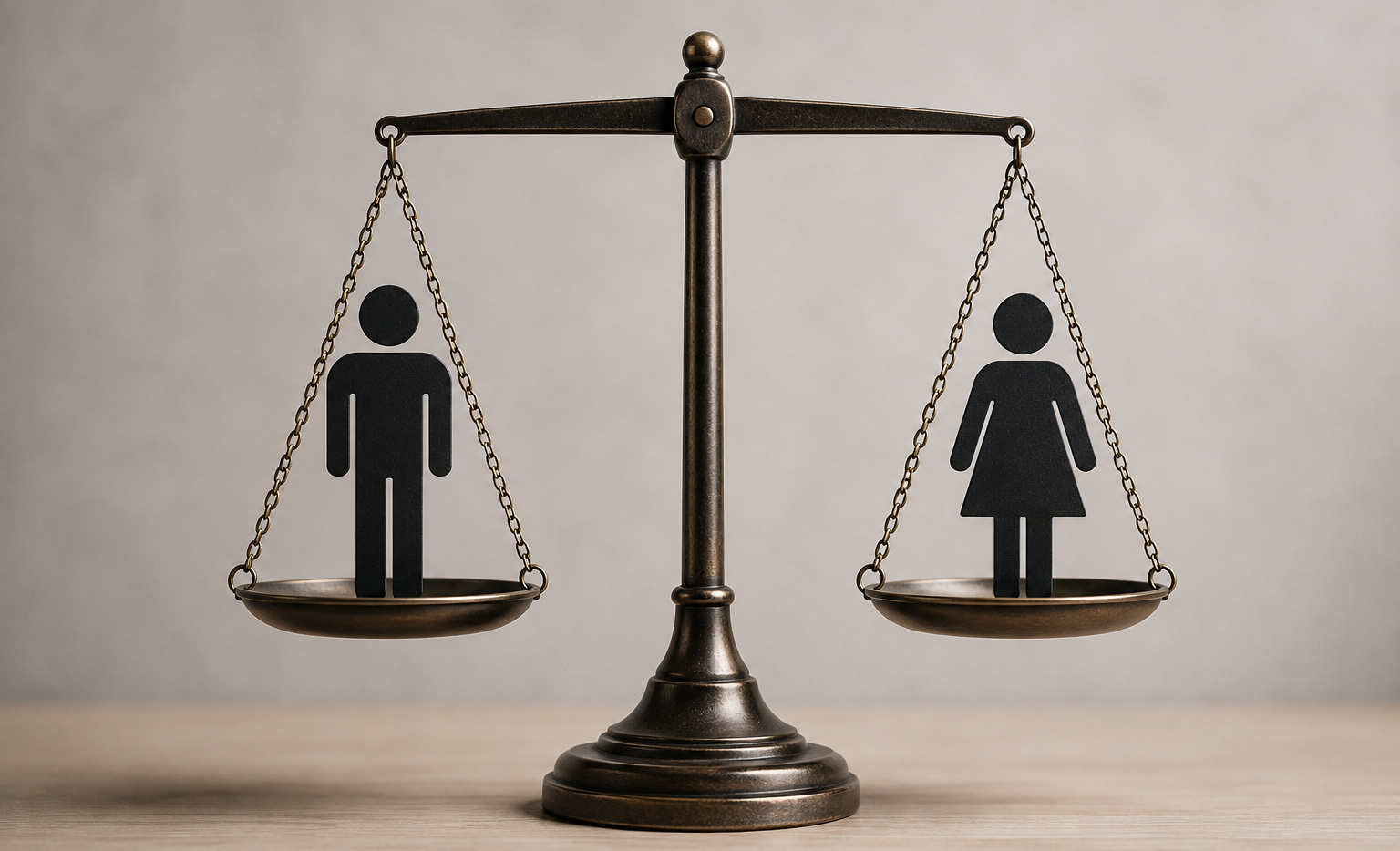
Infidelity is one of those issues where society seems to have two completely different sets of rules, one for men and another for women. When a man cheats, people are often quick to find reasons to excuse his behaviour. We hear that ‘men are like that’, that ‘a man will always cheat’ or that a woman should simply accept that her husband has needs. A woman whose husband has been unfaithful is often encouraged to forgive him, especially when there are children involved. She is told not to destroy her family over what is sometimes described as nothing more than a man’s mistake.
Yet when a woman cheats, the response is often completely different. Suddenly, the same people who were telling a woman to forgive her husband are advising a man to leave his wife immediately. She is labelled disrespectful, immoral, unfaithful and unworthy of being a wife. People will tell the man that he deserves better and that he should never forgive her because ‘a woman who cheats will always cheat’. The double standard is so deeply embedded in our society that many people do not even recognise how contradictory it is. If cheating is wrong, then it should be wrong regardless of whether the person who cheated is a man or a woman. Infidelity damages trust, creates emotional pain and can fundamentally change the relationship between two people. The gender of the person who committed the betrayal does not make the betrayal more or less painful. A woman who discovers that her husband has been unfaithful can experience the same heartbreak, humiliation and loss of trust as a man who discovers that his wife has cheated. What makes the situation even more disturbing is the way some men respond when another man has been cheated on. Instead of supporting him, they sometimes question his masculinity. They ask how another man was able to get access to his woman and suggest that he must not have been ‘man enough’. Some will even imply that the woman cheated because her husband was not satisfying her or because he had somehow failed in his responsibilities as a man. In a deeply unfair twist, the person who has been betrayed becomes the one expected to explain or defend himself.
Imagine telling a woman whose husband cheated that another woman managed to get her man because she was not beautiful enough, sexually adventurous enough or attentive enough. Most people would immediately recognise how cruel and inappropriate such comments would be. Yet when a man is cheated on, similar comments are sometimes treated as harmless jokes among other men. His pain is turned into a test of his masculinity, as though being betrayed somehow makes him less of a man.
This is connected to the way society has historically constructed masculinity and femininity. Men are often taught that sexual attention from multiple women is evidence of their masculinity, while women are expected to be loyal, sexually restrained and responsible for preserving relationships. A man who has several partners may even receive admiration from other men, while a woman who behaves in exactly the same way is condemned. At the same time, women are often expected to tolerate male infidelity because supposedly ‘that is just how men are’. But men are not biologically incapable of being faithful. Infidelity is a choice, not an unavoidable feature of masculinity. Men are perfectly capable of committing to one person, respecting boundaries and remaining faithful to their partners. Using biology or masculinity to excuse cheating simply removes accountability from people who should be responsible for their own choices.
It is equally important to acknowledge that women can cheat too. Women are not automatically more faithful simply because society expects them to be. When a woman chooses to betray her partner, she should be held accountable for that decision just as a man should be. But accountability should not depend on gender. A woman should not be treated as morally inferior because she cheated, while a man receives sympathy because he is supposedly ‘just being a man’.
There is also a dangerous assumption that a man who has been cheated on must have done something to deserve it. Perhaps he was not attentive enough. Perhaps he was not providing enough money. Perhaps he was not sexually satisfying his partner. Perhaps he was too busy with work. While relationship problems can certainly contribute to unhappiness and conflict, they do not give either partner permission to betray the other. If someone is unhappy in a relationship, there are healthier ways of dealing with that unhappiness. They can communicate, seek counselling, establish boundaries or choose to leave. Cheating is not the only available option.
None of this means that every relationship affected by infidelity must end.
Couples have different circumstances, and people have different boundaries when it comes to forgiveness. Some couples choose to separate, while others decide to work through the betrayal and rebuild their relationship. What matters is that the decision belongs to the people involved and should not be dictated by gender-based expectations. A woman should not be pressured to remain with a cheating husband simply because society believes that men will always cheat, just as a man should not be mocked for choosing to forgive a cheating wife. We need to stop teaching women that enduring betrayal is part of being a good woman while teaching men that being cheated on is evidence that they are inadequate men. Both messages are harmful. They deny women the right to demand fidelity and they deny men the right to experience betrayal without having their masculinity questioned.

















Leave a comment