

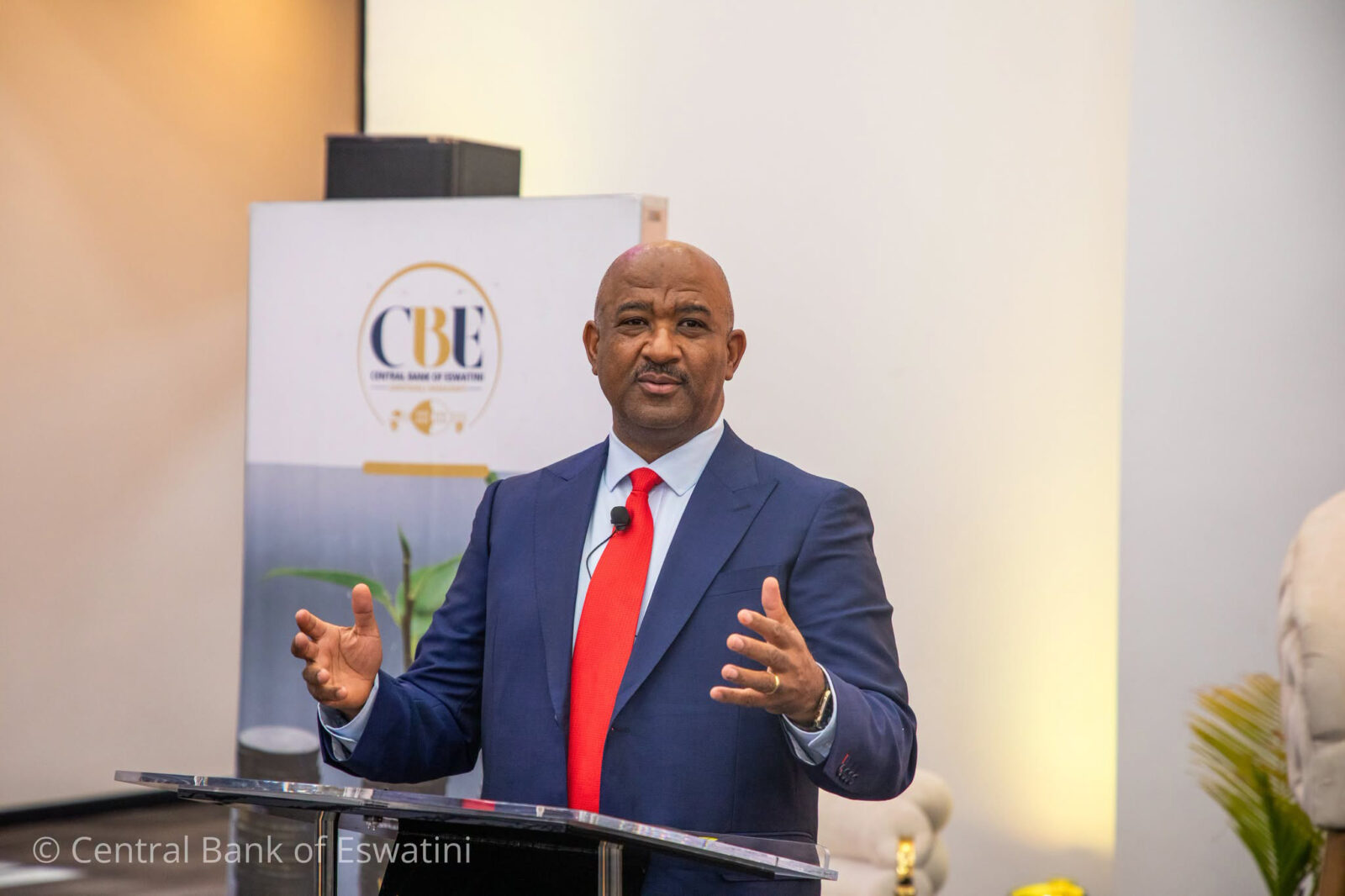
EZULWINI – Central Bank of Eswatini Governor Dr Phil Mnisi has outlined four priorities to shape the next phase of Eswatini’s financial system development and competitiveness globally.
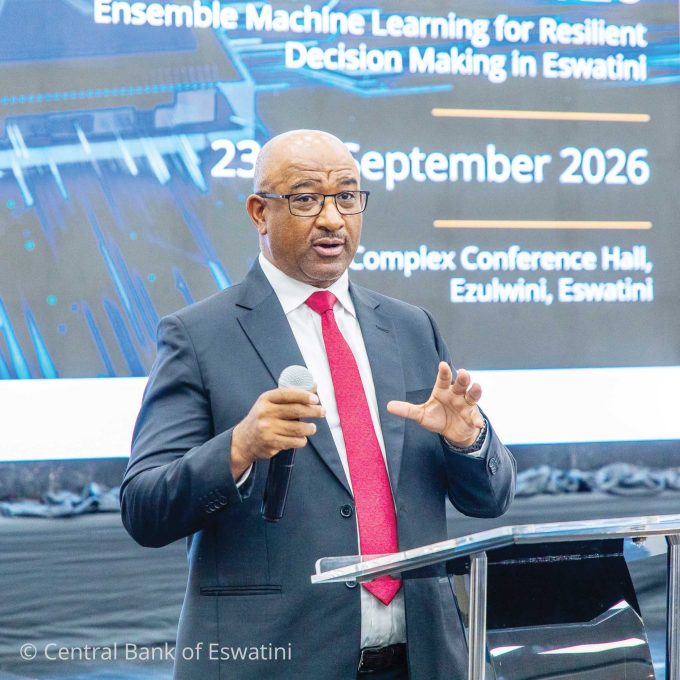
Speaking at the inaugural Eswatini Financial Markets Forum held at the Central Bank of Eswatini Complex in Ezulwini yesterday, Dr Mnisi said the country needed to deliberately build a financial system capable of supporting inclusive growth, investment, employment and competitiveness.
The governor identified deepening and modernising financial markets, accelerating safe innovation, strengthening financial inclusion with purpose and investing in institutional capability as the four priorities that should guide the next phase of development.
Dr Mnisi said Eswatini must continue building domestic money and capital markets that are more active, efficient and supportive of investment and public financing.
He said the Central Bank already played an important role through government securities issuance, debt origination support, liquidity operations and collaboration with stakeholders to deepen local markets.
However, he said this role should continue evolving as part of a broader market-development agenda.
“We must continue building domestic money and capital markets that are more active, more efficient, and more supportive of investment and public financing,” Dr Mnisi said.
The governor’s remarks come as Eswatini seeks to strengthen its domestic financial architecture and ensure that local markets can better mobilise and allocate capital towards productive economic activity.
He said strong financial markets were not peripheral to national development, but central to it.
The second priority identified by Mnisi is accelerating safe innovation within the financial sector.
He said innovation should be embraced, but with discipline, pointing to payment modernisation, fintech development, digital public infrastructure and regulatory experimentation as important areas for the country.
However, he cautioned that innovation must remain anchored in trust, consumer protection, financial stability and policy coherence.

The Central Bank has already taken steps in this direction.
Dr Mnisi highlighted the Fast Payments Module of the Eswatini Payment Switch, which has gone live and expanded infrastructure for near real-time and interoperable payments.
He also pointed to the bank’s publication of the Digital Lilangeni Design Paper and its continued use of the Regulatory Sandbox to promote innovation in financial services.
According to Dr Mnisi, these initiatives should not be viewed in isolation. Rather, they form part of the building blocks for a financial system that is more modern, efficient and competitive.

















Leave a comment