

MBABANE – The National Union of Mineworkers (NUM) in South Africa and the Trade Union Congress of Swaziland (TUCOSWA) have expressed fears over Eskom’s proposed restructuring or partial privatisation.
NUM has openly challenged Eskom’s unbundling, a development that may come as a relief to emaSwati if the exercise is delayed or abandoned. This is because Eswatini relies heavily on electricity imported from Eskom in South Africa.
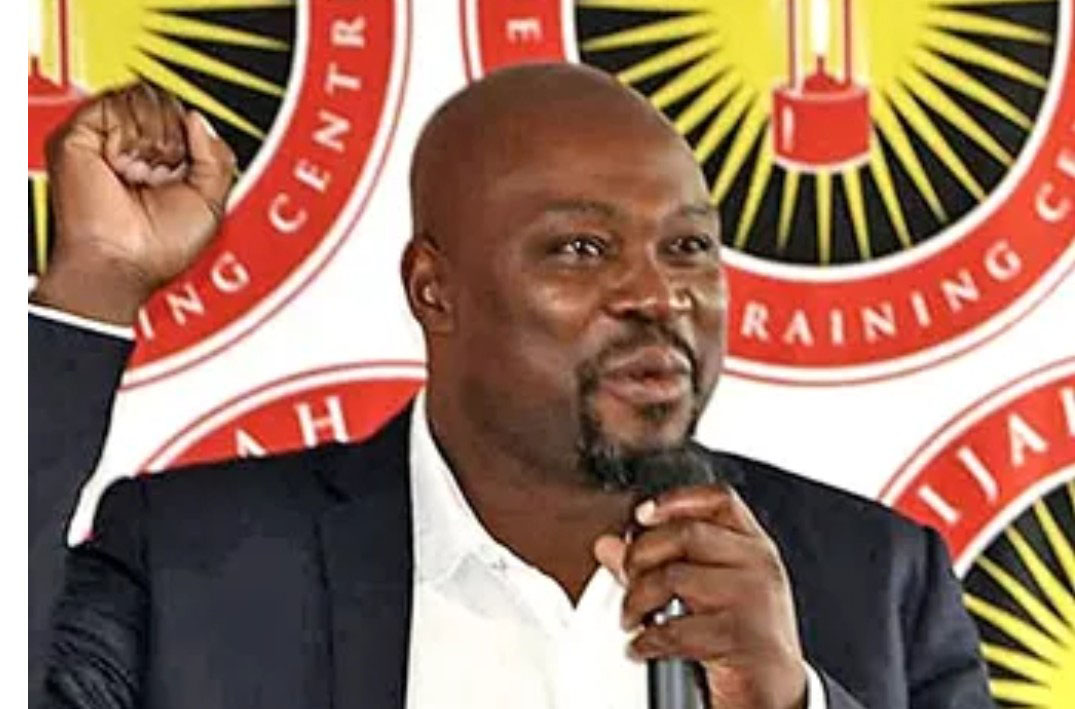
TUCOSWA Secretary General Mduduzi Gina said workers in Eswatini should stand with NUM because privatised entities ordinarily compete for profit, not service delivery.
Gina feared that if Eskom were privatised, the electricity Eswatini imports from South Africa could become more expensive.
He said privatised entities were not always regulated in a manner that protected workers and consumers.
For instance, he said life would be difficult if the Eswatini Electricity Company (EEC) were to be privatised. Gina said entities such as EEC and Eskom were created to serve the economy and the people. He said they were established as the oil that keeps the economic machinery of both countries running.
He said they ensure the economy functions properly and effectively.
NUM has vehemently opposed South African President Cyril Ramaphosa’s recent approval of the Eskom Restructuring Task Team (ERTT) Phase I Report, warning that the move threatens the stability of the power utility.
Speaking on behalf of the union, NUM Energy Sector Coordinator Khangela Baloyi said while the presidency argued that establishing an independent Transmission System Operator (TSO) would foster competition and attract investment, the reality could be harmful. Baloyi said the union remained deeply concerned about the impact on workers, local communities and Eskom’s long-term sustainability as a strategic State-owned enterprise.
“While NUM recognises the urgent need to expand South Africa’s transmission infrastructure, restructuring must not come at the cost of jobs, working conditions, collective bargaining rights or public ownership,” Baloyi stated. “Eskom workers have borne the weight of keeping the grid stable and their livelihoods must be protected.”
The union welcomed the report’s acknowledgement that mounting municipal debt posed a severe threat to the utility’s financial sustainability. Baloyi maintained that the South African Government should prioritise resolving this municipal debt, improving revenue collection and strengthening governance before introducing structural changes. He warned that rushing into reforms risked operational stability and created widespread uncertainty among the workforce.
At the core of NUM’s resistance is the proposed transfer of strategic assets, infrastructure, employees and operational functions from the National Transmission Company of South Africa (NTCSA) to the newly-created TSO.
Baloyi warned that transferring transmission assets away from Eskom carries significant risks of fragmentation, increased private sector influence and the gradual erosion of public control.
He stressed that NUM rejects any asset separation or transfer undertaken without the full consent and comprehensive consultation of organised labour.
Citing international experience, the energy sector coordinator highlighted that market liberalisation often leads to workforce reductions and compromised labour standards. Consequently, NUM is demanding explicit guarantees from government that no worker will lose their job or suffer degraded employment conditions because of these reforms.
NUM is demanding full and meaningful consultation at every stage as the South African Government enters Phase II to finalise an implementation plan over the next three months. Baloyi asserted that labour must not be treated as passive observers in decisions that affect thousands of livelihoods.
Furthermore, the union insists that any electricity sector reforms must adhere strictly to the principles of a Just Transition that prioritises energy security, affordable power, industrial growth, localisation and the public interest above private profit.
“NUM unequivocally rejects the gradual privatisation and liberalisation of South Africa’s electricity grid. Electricity is a strategic national asset,” Baloyi declared.
He warned that should government proceed with reforms that threaten public ownership, undermine Eskom’s strategic mandate or compromise workers’ rights without genuine consultation, the union will respond. NUM has threatened to use all available legal, constitutional and organisational avenues, including judicial intervention and worker mobilisation, to defend public ownership, protect jobs and safeguard the nation’s energy sovereignty.
In our previous edition, when responding to questions from the Times Sunday, EEC Marketing and Corporate Communications Manager Khaya Mavuso said the company was aware of Eskom’s ongoing restructuring and the gradual introduction of greater competition through Independent Power Producers (IPPs) in South Africa.
Tackling the question on the potential impact on local tariffs, he said while these developments have the potential to influence the regional electricity market over time, it is still too early to determine the full impact on electricity pricing for Eswatini.
Mavuso explained that electricity tariffs in Eswatini are determined through a regulatory process overseen by the Eswatini Energy Regulatory Authority (ESERA). He noted that this process considers various cost drivers, including the cost of imported electricity, local generation, exchange rate movements, operational costs and approved regulatory methodologies.
“Therefore, any future changes in the South African electricity market would be assessed within this broader framework before any tariff implications arise,” Mavuso said.
Regarding the potential benefits and disadvantages of liberalising the South African energy market for ordinary emaSwati, Mavuso indicated that issues falling strictly within the regulator’s mandate were best addressed by the regulator. He did not provide specific details on the potential disadvantages or risks emaSwati should prepare for as the transition unfolds.
Asked if EEC was aware of the Eskom restructuring, the marketing and corporate communications manager respondes in the affirmative.
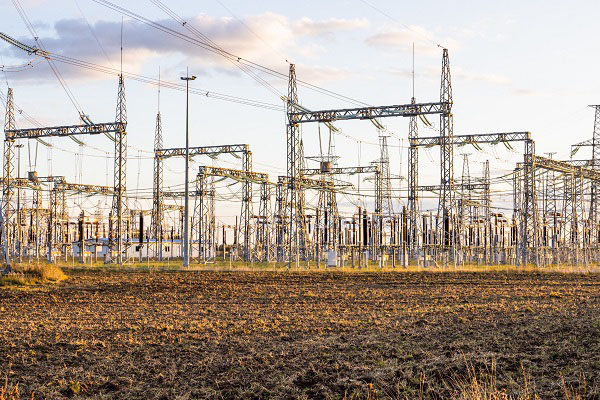
He elaborated that EEC was actively monitoring developments relating to Eskom’s restructuring and the broader evolution of South Africa’s electricity sector. Mavuso noted that as a participant in the Southern African Power Pool (SAPP), EEC continuously engages with industry developments that could influence electricity supply and procurement across the Southern African region.
To mitigate possible negative effects on Eswatini’s energy security and pricing, Mavuso outlined the utility’s proactive strategy and contingency framework. He listed diversification as a key component, noting that EEC currently purchases power from NTCSA (Eskom), the Day Ahead Market (DAM), Botswana Power Company (BPC), EDM of Mozambique and Ubombo Sugar Limited (USL).
Further components of the strategy, according to Mavuso, included the optimisation of local generation, the use of embedded generation, which currently has an installed capacity of 24MW and active participation in the Southern African Power Pool (SAPP).
On the question of whether EEC has formally met with ESERA to discuss this specific issue and assess their readiness for the changing South African power landscape, Mavuso said EEC maintains regular engagement with the regulator on matters relating to the electricity sector.
He stated that these ongoing engagements include issues affecting electricity supply, planning and tariff applications. Mavuso said both institutions continue to monitor regional developments and would engage when necessary on matters that could have implications for Eswatini’s electricity industry.
Faced with competition from independent producers in South Africa, energy experts are of the view that Eskom may be forced into renewing power purchase agreements with Eswatini and other neighbouring Southern African countries at higher rates.
Energy experts said the competition could result in long-term supply stability for countries that depend largely on Eskom electricity, but such a positive could come at a huge cost.
Meanwhile, ESERA shed light on how the fundamental restructuring of South Africa’s power utility, Eskom, could affect Eswatini’s electricity supply and pricing.
According to ESERA Communications and Stakeholder Manager Teclar Maphosa, the authority closely monitored the electricity landscape within the Southern African Development Community (SADC) region, recognising Eswatini’s continued reliance on imported power.
There have been growing concerns among industry experts that Eskom’s unbundling and the introduction of Independent Power Producers (IPPs) in South Africa might strip the Eswatini Electricity Company (EEC) of its favourable historical rates, forcing the utility to purchase power at full commercial value.
However, addressing the impact on local tariffs, Maphosa cautioned against premature conclusions. She noted that while Eskom’s restructuring could have implications for Eswatini, given that the cost of imported power formed a major component of the revenue requirement under the national tariff methodology, it was not a foregone conclusion that commercial rates would automatically apply.
“Electricity is currently procured and imported from Eskom through a bilateral Power Purchase Agreement (PPA), which is a long-term contractual arrangement that outlines the commercial terms between the utility (EEC) and the supplier (Eskom),” she explained. “This differs from electricity transactions that may occur through the Southern African Power Pool (SAPP), where power can be traded among member utilities through various market mechanisms, subject to availability and prevailing market conditions.”
She stated that any potential impact on local tariffs will depend heavily on the terms of existing and future PPAs, regional electricity prices and the ultimate outcome of the South African electricity supply industry reforms.
Asked if ESERA was aware of the Eskom restructuring, she said the authority was not only fully aware but actively tracking the process. Maphosa highlighted that ESERA remained engaged through regional regulatory and industry forums, including the Regional Electricity Regulators Association (RERA) and ENLIT Africa, to monitor emerging trends and assess their potential implications for Eswatini’s energy security, affordability and sustainability.
Regarding cross-border impacts, Maphosa confirmed that ESERA maintains a constructive working relationship with the National Energy Regulator of South Africa (NERSA). She noted that regulators utilise regional platforms like RERA to facilitate information sharing, regulatory cooperation and discussions on developments affecting regional electricity markets.
From a consumer standpoint, Maphosa outlined several potential benefits for ordinary emaSwati stemming from the liberalisation of the South African energy market. She indicated that the introduction of IPPs and increased competition could promote efficiency, diversify supply sources and improve regional reliability.
“From a consumer perspective, a more reliable regional electricity system may reduce the occurrence of supply constraints, power interruptions and load-shedding, thereby strengthening energy security for Eswatini,” she said, adding that it could also foster innovation and improve access to available generation resources through platforms like the SAPP.
On the other hand, she was candid about the disadvantages and risks emaSwati should prepare for. She pointed out that increased competition in South Africa could result in changes to wholesale pricing structures and procurement arrangements, which could affect the cost of imported electricity over time.
“Currently, as a net importer of electricity, Eswatini remains exposed to developments in regional power markets and supply availability,” she warned.
To mitigate these negative impacts, Maphosa detailed ESERA’s proactive strategy and contingency framework. She disclosed that the country is accelerating the procurement of additional generation capacity to reduce its reliance on imports, explicitly mentioning the Lower Maguduza and Maguga Expansion programmes.
Furthermore, Maphosa revealed that ESERA has implemented regulatory frameworks specifically designed to strengthen the resilience of the local electricity sector. These include the Embedded Generation Framework and the Wheeling Framework, which are tailored to support local generation, renewable energy development and increased private sector participation.
“To address energy security concerns, the country is currently procuring additional capacity of up to 188.8MW in pipeline projects. Some of these projects are already under construction or at financial close,” Maphosa told the Times Sunday.
On the domestic front, Maphosa assured the public that ESERA maintains regular engagement with the EEC. She said these ongoing meetings serve as a platform to discuss electricity procurement, network planning, regional market developments and the utility’s readiness to navigate the changing South African power landscape.













Leave a comment