

Madam,
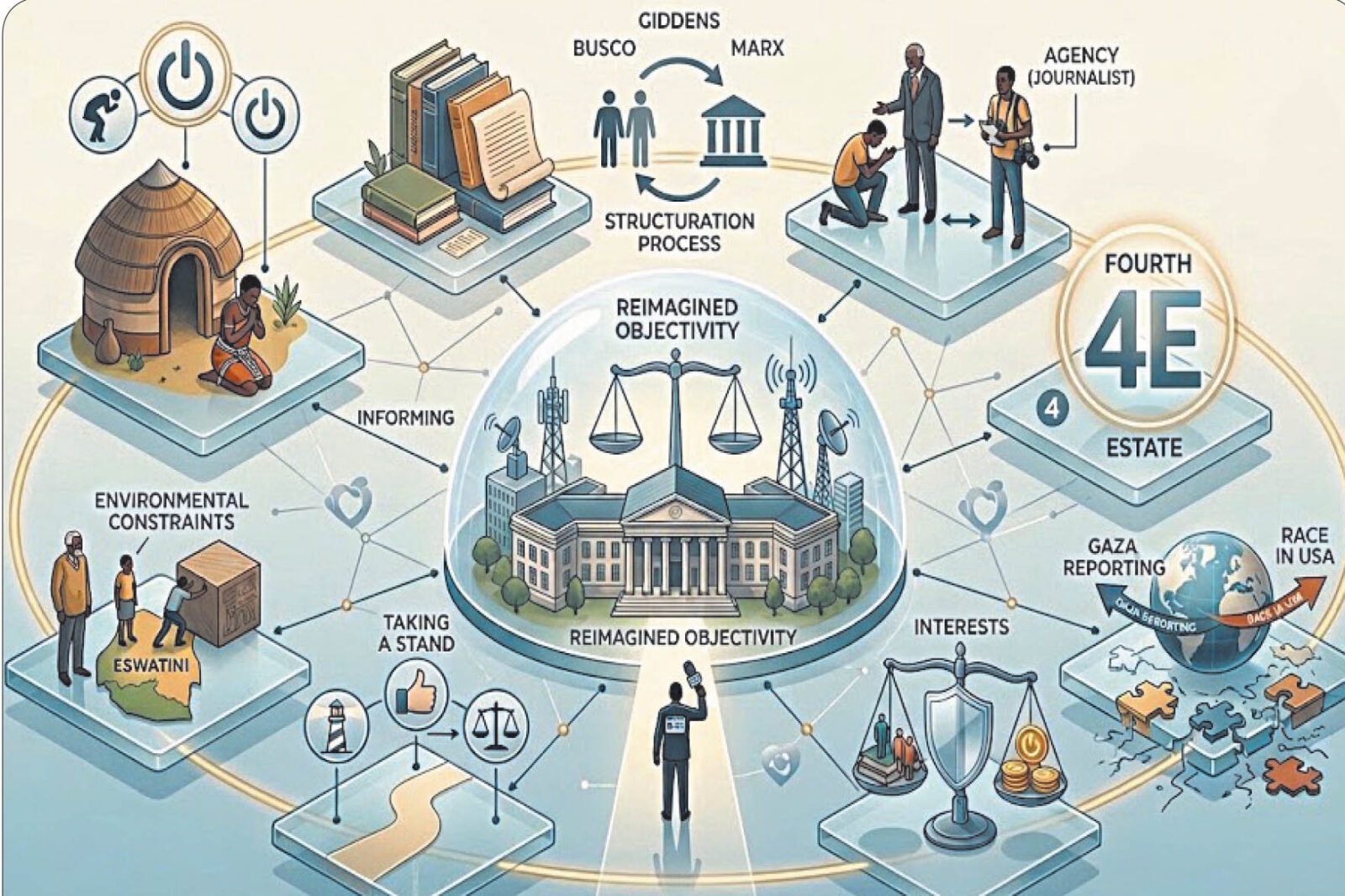
The term structuration refers to the conditions governing the continuity or transformation of structures and social systems and indicates that structure, the ‘codes’ for social actions and agency, the activities of individual members of the systems, exist in a recursive relationship. Thus, while agents draw on structures during their processes of interaction, by performing social activities, they reproduce the actions that make these practices possible.” (Busco, 2009).
Giddens’ theory of structuration implores us to investigate the relationships between actors and the contexts within which they operate; therefore, let’s explore the relationship between the media in Eswatini (actors) and the social, cultural and its political landscape.
During a masterclass with the final-year Media Management class by a media expert, he was asked a question about objectivity in Eswatini newsrooms. In his reply, I finally understood what Giddens was trying to communicate in his theory and by what Karl Marx (1973) so eloquently put when he said: “Men make their own history not under circumstances they themselves have chosen but under the given and inherited circumstances with which they are directly confronted.”
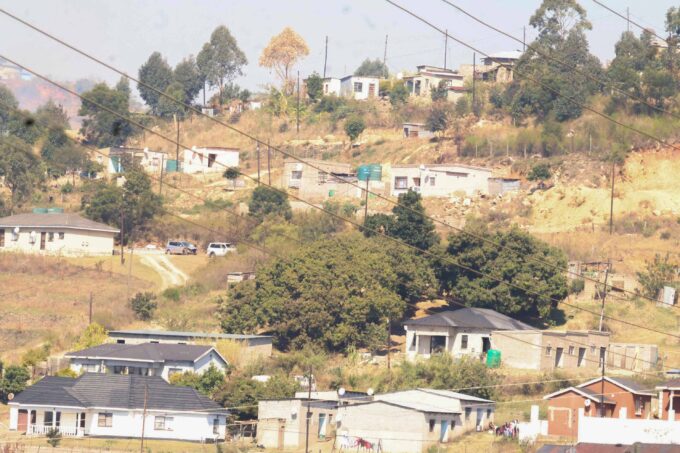
See, Eswatini is a country known for its peacefulness and the respect that its citizens effortlessly display, and this is a good thing. In a world that is seemingly losing its humanity every day, people who still practice Ubuntu are a welcome sight. However, how does this translate for the fourth estate?
The press has long been called the fourth estate, an informal but crucial institution that keeps watch over all three. The watchdog metaphor imbues the press with the role of being a forum for discussion, investigators of impropriety and an adversary to any monopoly over power and knowledge – essentially, defenders of truth and democracy.
The media’s role is not just the fourth estate, but is also the watchdog, requiring tenacity and an enthusiasm to question authority and hold power accountable. However, how does Mzwandile, who has been raised to always address elders with respect and to never question them, forget these teachings when putting on the journalist cap on before an interview with a minister? “Honourable minister, mhlonishwa, may you kindly spare a second to answer a question I have, please”, while ducking a bit to shrink themselves and display a respect for the office they are now in the presence of? This was the media expert’s reply and a perfect example of structure:
“It is hard to remain objective when a difference in power has already been so blatantly displayed. One party already has the upper hand here. As seductive as the idea of the journalism we witness on TV is, where people in positions of power are badgered for responses, it is not viable in Eswatini because the environment does not allow for that.” “Ncesi, mphatsi, mane ungiphe sikhatsi sakho lesincane” and objectivity has already left the room, so here is my question: In these circumstances, how does one ensure maximum objectivity?
Objectivity remains one of the most important principles of journalism. Without it, as we have seen in the reporting of the war in Gaza by Western media and the issues of race in the USA, depending on the outlet reporting, there is a threat of descent into chaos; however, let us never cease to question the rigidity it may present.
So, I ask, is objectivity cute just in theory or has everyone lost their minds? What does taking a stand while maintaining objectivity look like for modern-day journalism?
Lenhle N Mngomezulu













Leave a comment