

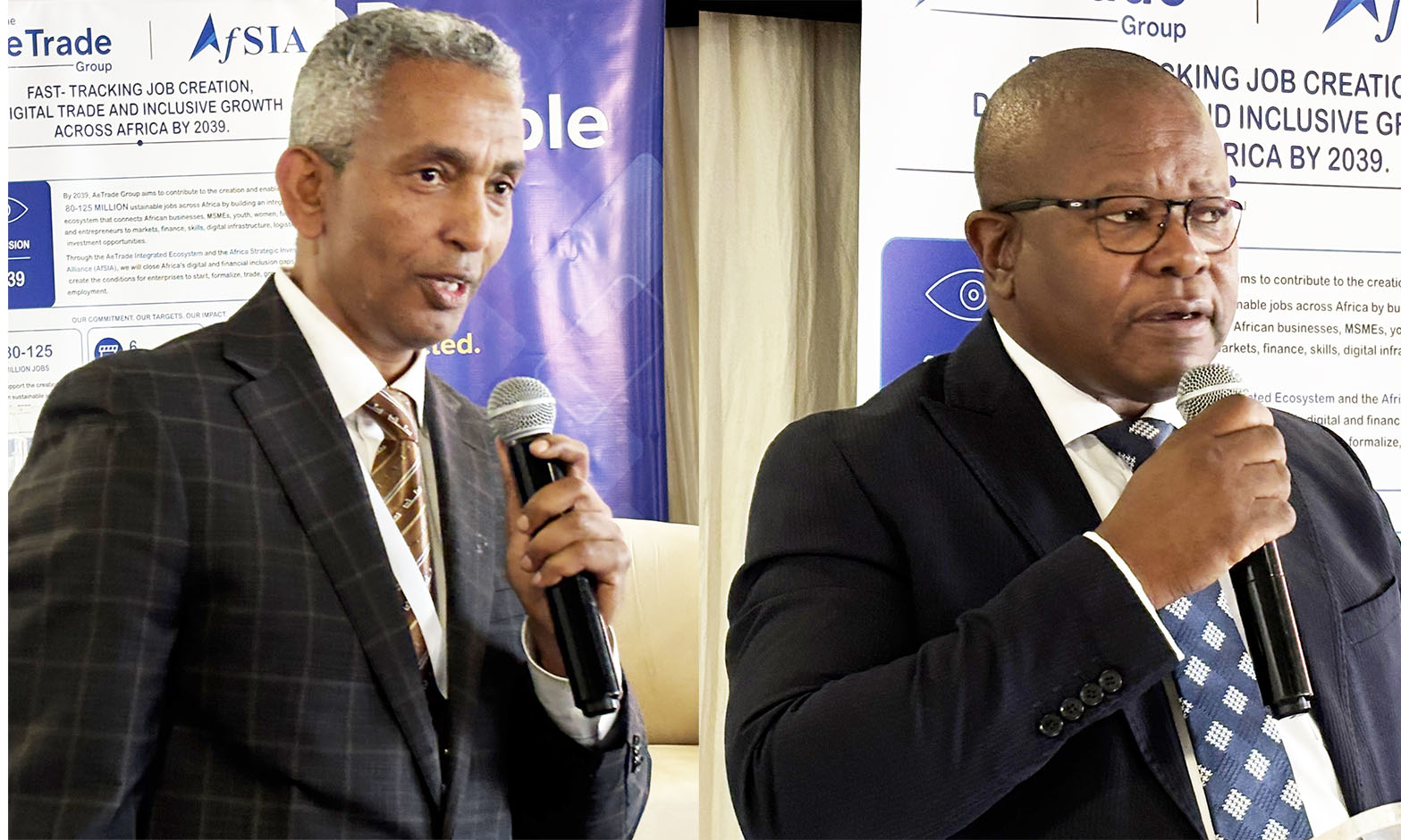
MANZINI – Government has challenged businesses, financiers and development partners to build a connected enterprise ecosystem that turns ideas into investment, production, markets and jobs.
Minister for Commerce, Industry and Trade Manqoba Khumalo said Eswatini could no longer afford disconnected interventions where entrepreneurs received training without finance, finance without market access or market opportunities without the ability to meet required standards.
Khumalo was speaking yesterday during the AeTrade Group Integrated Ecosystem Dialogue held at the UNDP Sustainable Centre at the Mavuso Trade and Exhibition Centre in Manzini, under the theme, ‘Unlocking Opportunity: Connecting Youth, Enterprise, Finance and Markets for Jobs and Growth’.
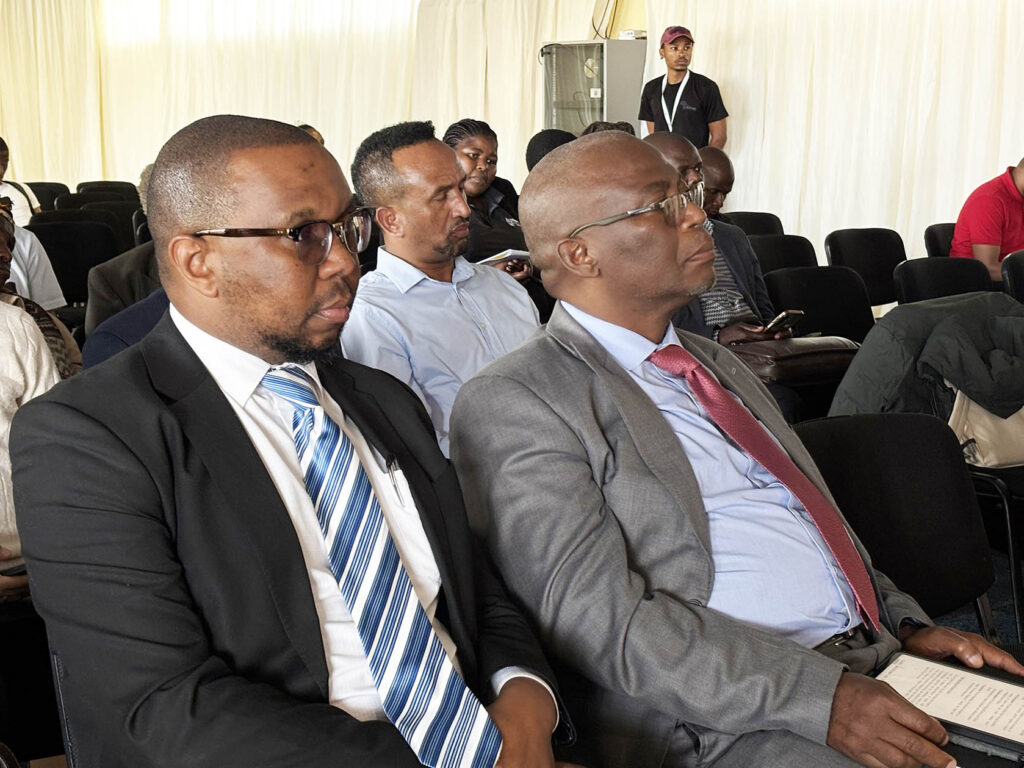
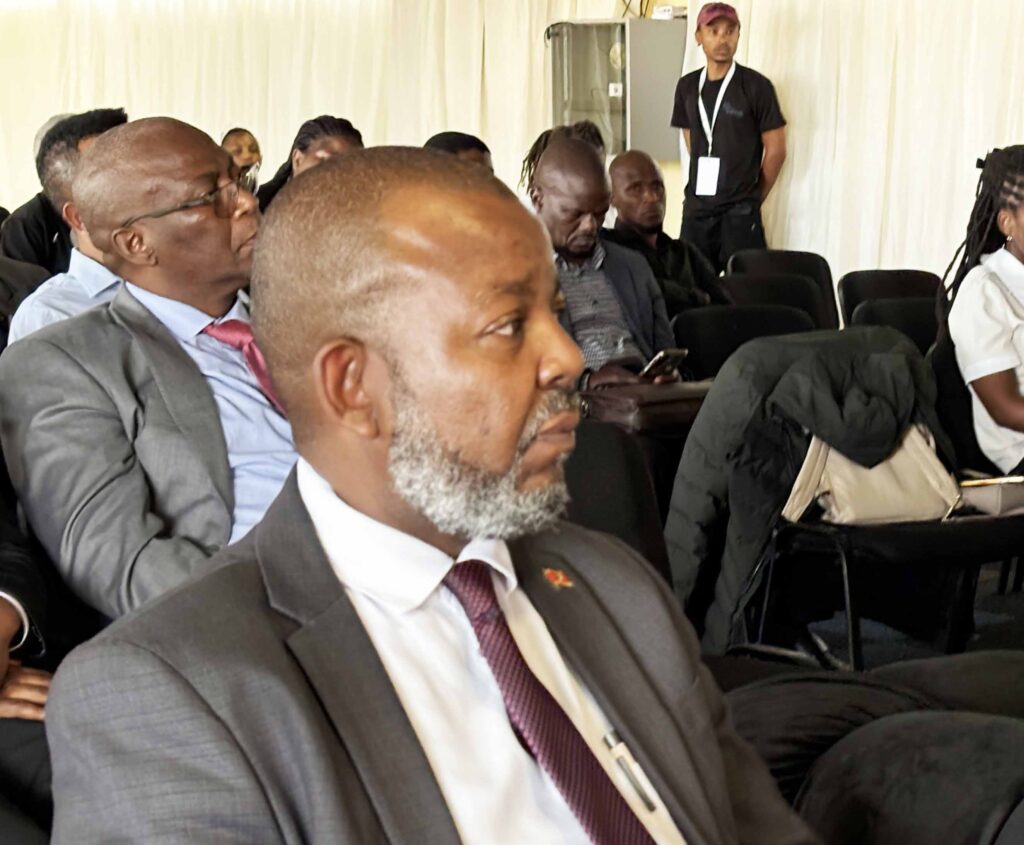
The dialogue, held alongside the ongoing Eswatini International Trade Fair (EITF), brought together government, private-sector, financial institutions, academia, development partners, entrepreneurs and young people to discuss how the different components of the economy could be better connected to unlock enterprise growth.
Khumalo said the country needed to move beyond simply creating opportunities and instead focus on how effectively emaSwati and local businesses were connected to those opportunities.
He said the ministry was responsible for contributing towards an economy that was increasingly productive, competitive, diversified and capable of creating sustainable opportunities.
This, he said, required greater urgency in enterprise development, industrialisation, trade, investment, innovation and job creation.
Khumalo identified the private sector as a critical engine of investment, production, innovation and employment creation, while government’s role was to create the conditions under which that engine could operate effectively.
This included improving the ease of doing business, reducing unnecessary bottlenecks, strengthening institutions, facilitating investment, supporting micro, small and medium enterprises (MSMEs), and enabling businesses to participate meaningfully in domestic, regional and international markets.
At the heart of Khumalo’s message was the need to change the way Eswatini supports MSMEs.
He said businesses should not measure success simply by progressing from registration to operation.
Instead, the country needed to help enterprises move from establishment to sustainability, survival to growth, informal operations to formal participation and local markets to regional and international markets.
“An entrepreneur should not have to navigate disconnected institutions and programmes simply to obtain the basic support necessary to grow a business,” he said.
Khumalo stressed that the various elements supporting an enterprise had to work together.
“Training without access to finance is insufficient,” he said, adding that finance without access to markets was also insufficient.
Likewise, market access without the ability to meet quality standards was insufficient.
“Our interventions must, therefore, be connected,” Khumalo said.
The minister said this integrated approach was particularly important as Eswatini sought to strengthen domestic production and value addition.
He said the country could not achieve sustainable economic growth by remaining primarily a consumer of products manufactured elsewhere.
Instead, Eswatini needed to increasingly produce, process, manufacture and export higher-value products across agriculture and agro-processing, manufacturing, textiles, handicrafts, tourism, services and the digital economy.
He said infrastructure needed to be connected to skills, production to finance, products to standards and production ultimately to markets.
















Leave a comment