

EZULWINI – Eswatini will introduce a limited-edition E10 circulating commemorative coin in 2028, giving emaSwati a new currency symbol for the historic 60th independence celebrations ahead.
The Central Bank of Eswatini (CBE) has announced plans to introduce the special coin as part of the country’s preparations for the 60th Anniversary of Independence, which will be celebrated on September 6, 2028.
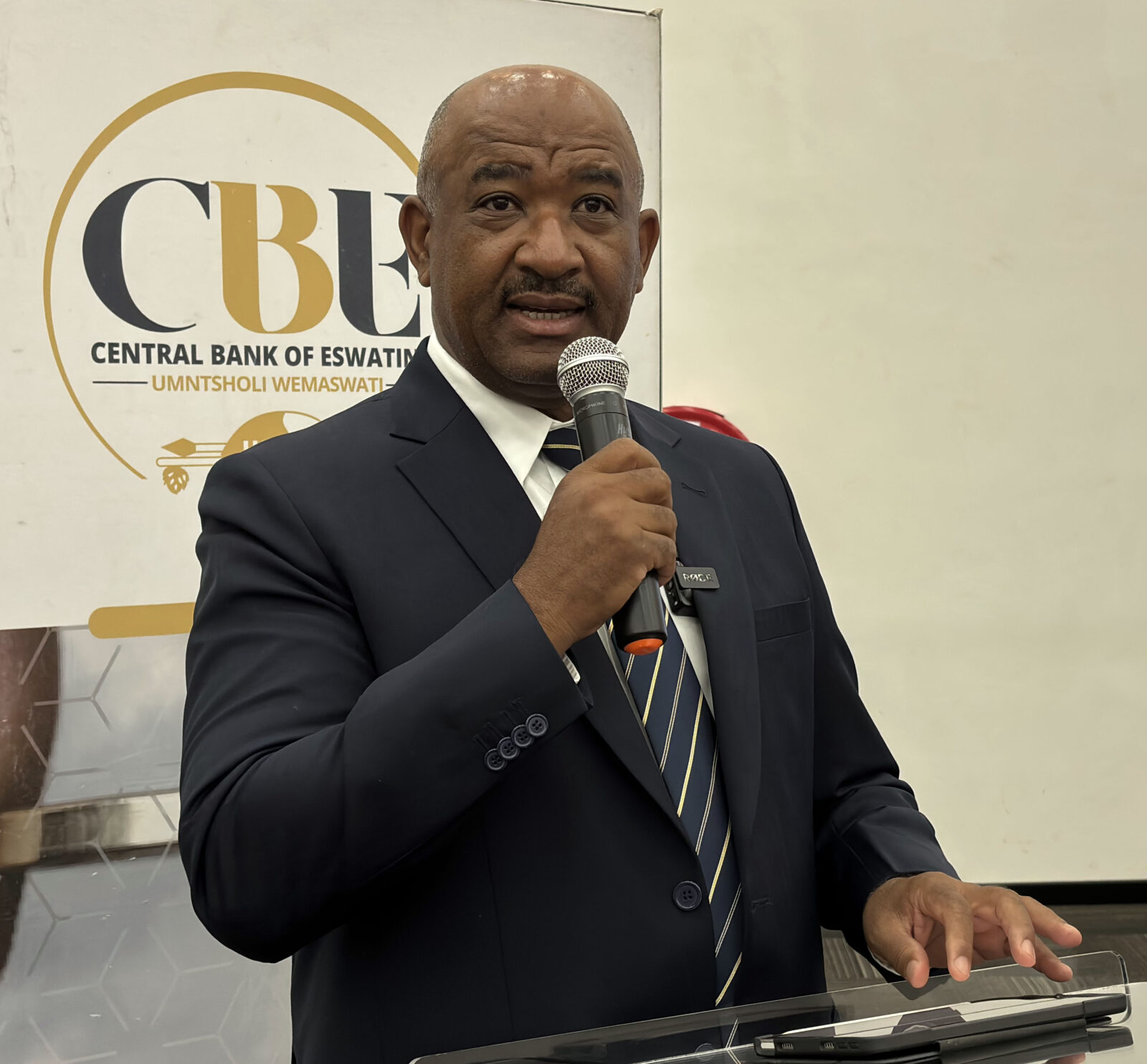
The announcement was made yesterday by CBE Governor Dr Phil Mnisi during the official launch of the E10 60th Independence Anniversary Commemorative Coin Design Concept Competition held at the CBE Complex in Ezulwini.
The initiative will now place the design of the commemorative coin in the hands of emaSwati, with the Central Bank calling on artists, students, designers, cultural enthusiasts and members of the public to submit concepts that capture the significance of six decades of independence.
The competition officially opens today and will close on October 26, 2026.
This gives participants eight weeks to develop and submit their concepts. To promote nationwide participation, the CBE has provided both physical and online submission channels.
Entries can be submitted through designated EPTC Post Office branches across the country.
The bank will also accept online submissions through a website that will be communicated to the public.
Dr Mnisi said the commemorative coin would serve as a lasting symbol of 60 years of independence and national pride, while also providing the public with an opportunity to contribute to a national symbol that could be carried in the hands and memories of generations to come.
The governor said the coin was being introduced as part of the CBE’s core mandate to issue and redeem currency.
The minting of the commemorative coin has been included among the bank’s approved operational projects for the 2026/27 financial year.
However, Dr Mnisi explained that the project was about more than simply marking the country’s diamond jubilee.
The introduction of the E10 coin would also give the CBE an opportunity to assess public acceptance of higher denomination coins within Eswatini’s currency system.
The E10 denomination was selected for both strategic and practical reasons, particularly because the E10 banknote is among the denominations widely used by the public.
According to the governor, the frequent use of the E10 banknote means that it experiences significant wear and tear, resulting in the need for worn notes to be replaced.
This, he said, makes the E10 an appropriate denomination to consider for coinage.
Coins generally have a considerably longer lifespan than banknotes. Dr Mnisi said coins typically remain in circulation for between 20 and 50 years, while banknotes generally last between one and five years.
The shift towards a E10 coin could, therefore, potentially improve the efficiency of the currency system by reducing the frequency with which the denomination has to be replaced because of physical deterioration.
The governor stressed that the initiative was intended to maintain the quality and reliability of currency available to the public while exploring the benefits of a more durable form of the denomination.




















Leave a comment