

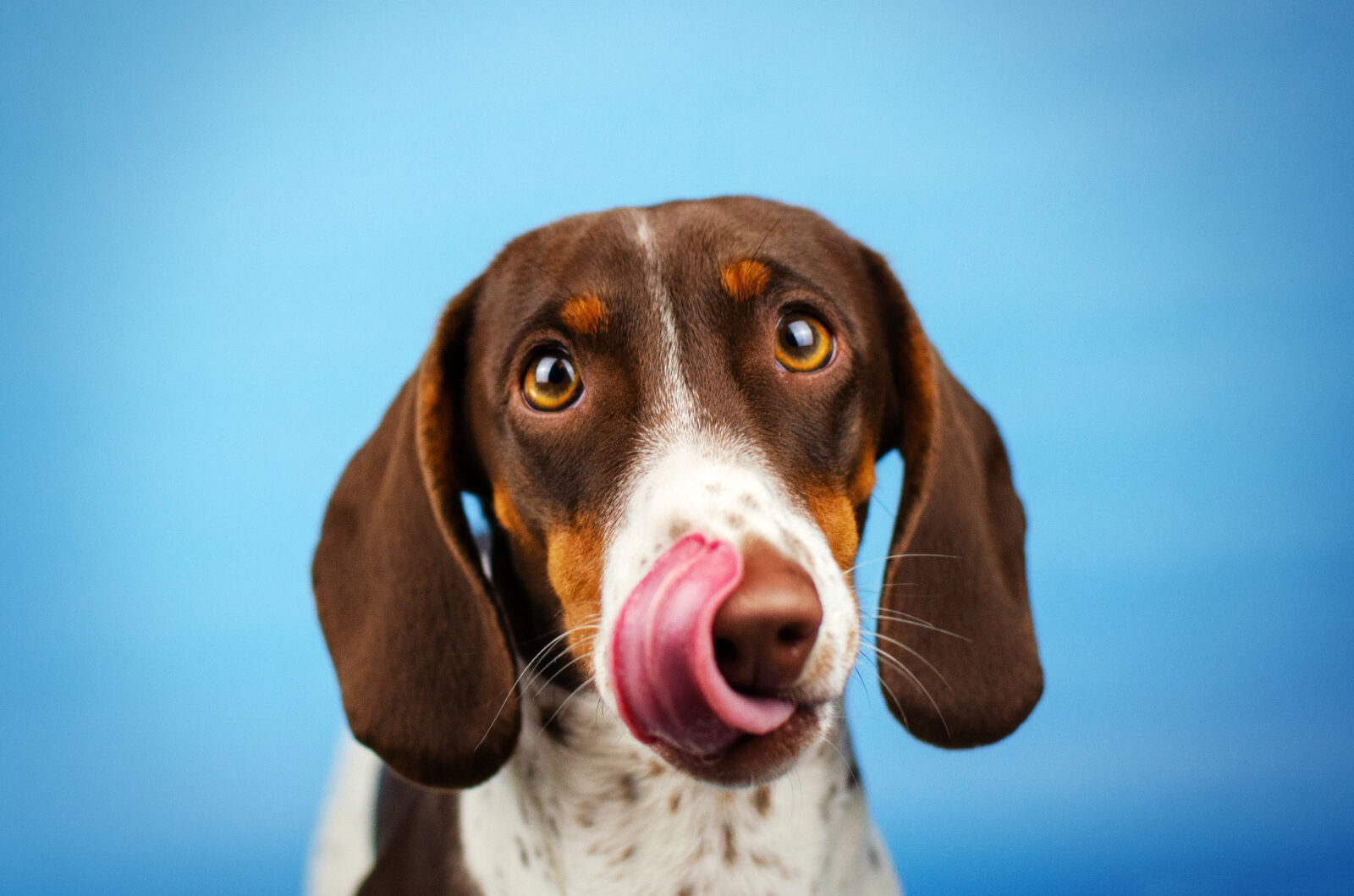
Dogs are born with ears that are perfectly suited to them. Some breeds naturally have upright ears, while others have ears that fold or hang. But when you see a dog with dramatically pointed, upright ears that are not natural to its breed, those ears may have been cropped.
Ear cropping is a surgical procedure in which part of the external ear flap is cut away to change its shape. It is usually performed when a dog is still a puppy, after which the ears may be taped or supported for weeks to encourage them to stand upright.
It is surgery, not grooming
Cropping removes healthy tissue and can cause pain, bleeding, infection and complications during healing. The aftercare can also be uncomfortable, with repeated taping, bandaging and handling of the healing ears.
The RSPCA describes ear cropping as painful and unnecessary, and says there is no evidence that it benefits dogs. Claims that cropping prevents ear infections or protects the ears from injury are not supported by convincing evidence.
Why did people start doing it?
Ear cropping has historical links to some working and fighting dogs. One traditional argument was that shorter ears would be less vulnerable to being grabbed or injured.
Today, however, cropped ears are primarily associated with achieving a particular appearance. Some owners may prefer the look because they believe it makes a dog appear tougher or more intimidating.
But a dog’s appearance is not a health requirement.
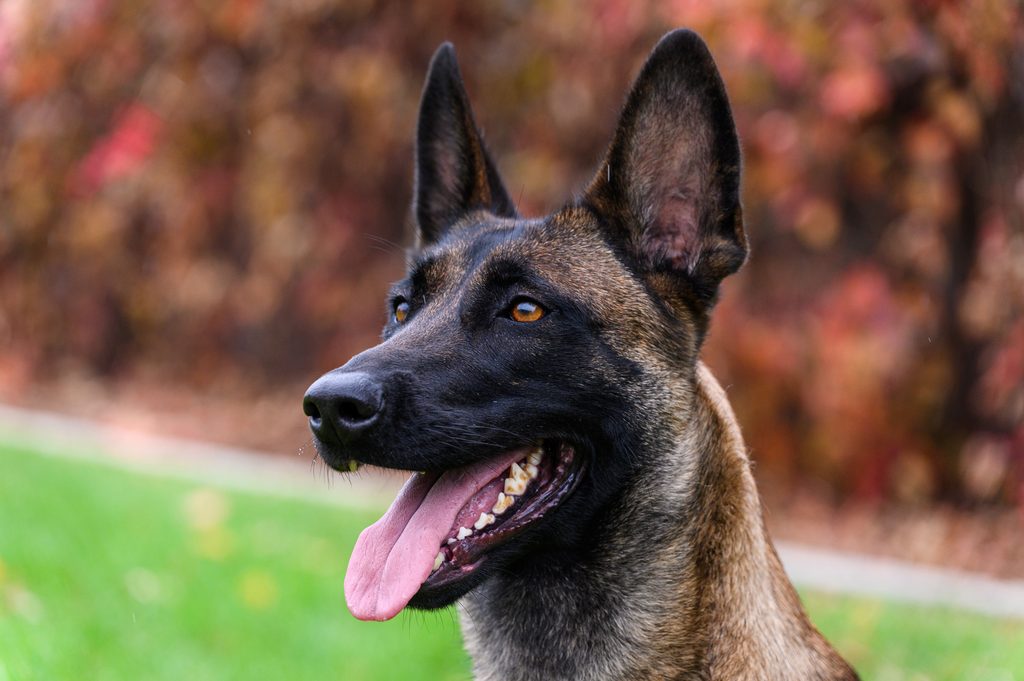
Dogs use their ears to communicate
A dog’s ears are not simply decorative. Dogs use their ears, facial expressions, posture and tails to communicate with other dogs and with us.
The position of a dog’s ears can provide information about how it is feeling. Altering their natural shape and position can therefore affect some of the visual signals used in canine communication.
While research into the behavioural effects of ear cropping is still developing, the welfare concerns surrounding the pain and unnecessary surgery are well established.
Medical treatment is different
There is an important difference between medical treatment and cosmetic alteration. If a dog has an injury, disease or another condition affecting its ear, a veterinarian may need to remove damaged or diseased tissue. That is treatment for a medical problem.
Cropping healthy ears simply to achieve a particular appearance is something very different. Our dogs don’t need to look tougher, more fashionable or different to be healthy, happy and well cared for. Their natural ears are part of who they are – and they don’t need to be changed for us.
Before changing a dog’s natural appearance, ask: Is this really for the dog’s benefit – or ours?
Need pet advice or help? Contact Anna McGinn at (+268) 7820 7700.



















Leave a comment