

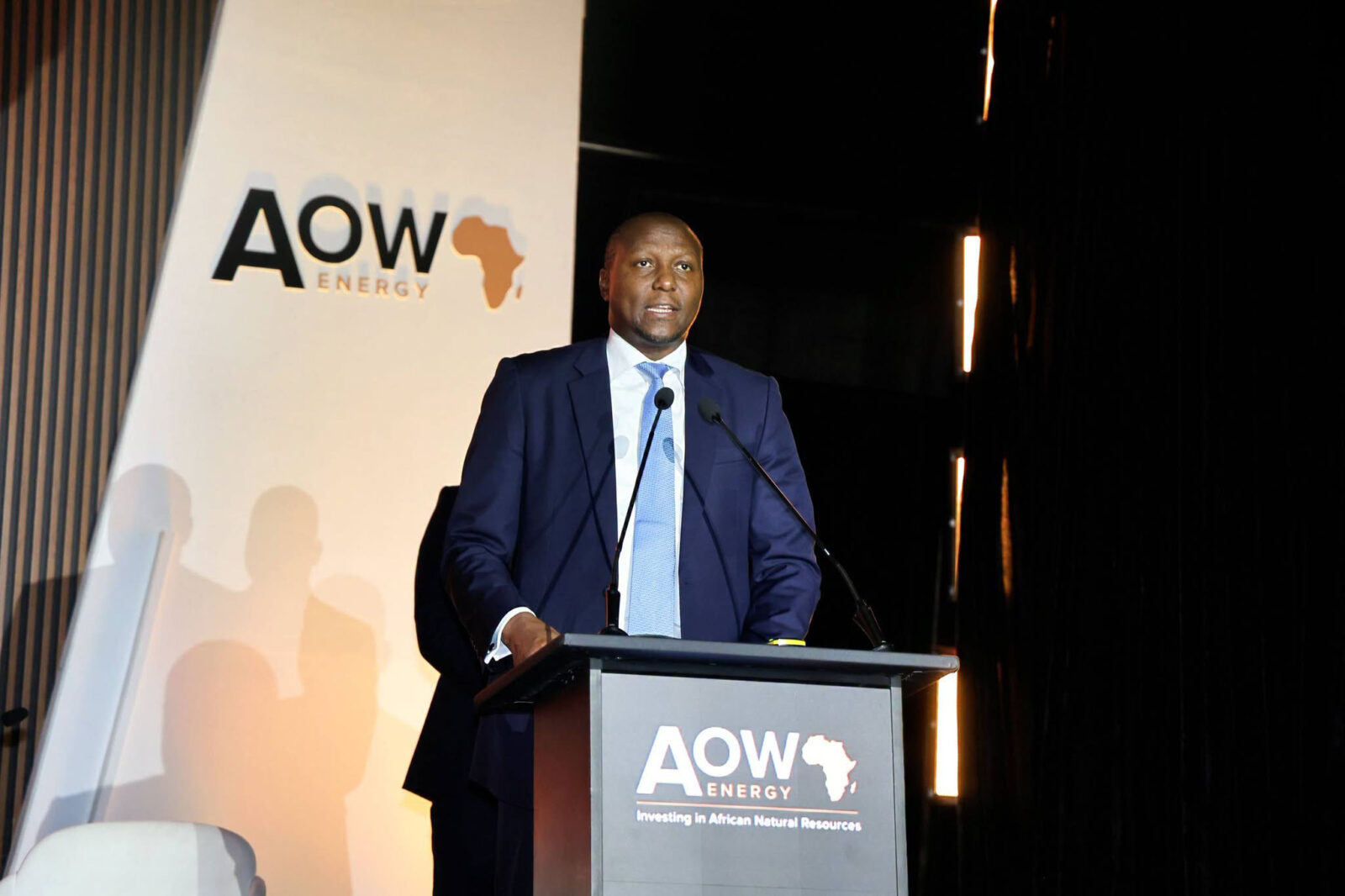
MBABANE – Prime Minister (PM) Russell Mmiso Dlamini has called for a fundamental shift in how African enterprise, technology, and expertise are perceived, urging the continent to move away from dependency and towards greater ownership of its economic future.
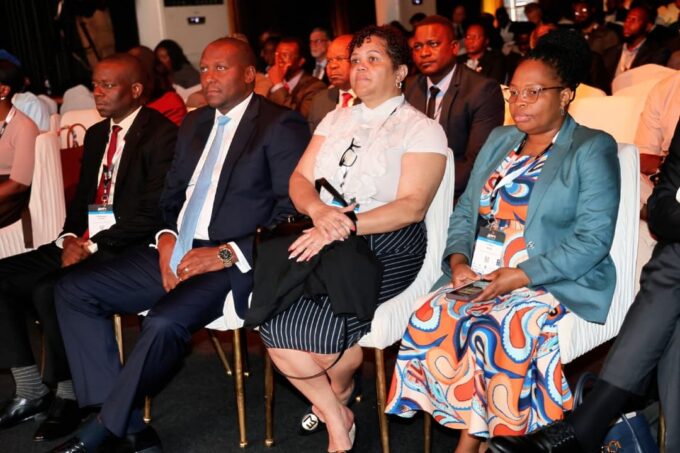
The PM said African businesses and innovations were too often regarded as unproven until they received validation from outside the continent, a mindset he said needed to change. He was speaking in Accra, Ghana, during the AOW: Energy Summit, held under the theme, “The Era of Indigenous Operators: Technology, Capital and the Future of African Energy Leadership”.
Dlamini challenged African governments, investors, and businesses to use the current moment to fundamentally change the way the continent approaches energy development. He said the question confronting Africa was whether its next energy chapter would be written by Africans using African capital, technology, and enterprise, or whether the continent would continue participating in systems largely designed elsewhere.
According to Dlamini, the principle guiding African energy development should be centred on putting people and the continent first: “Our governing principle ought to be definite: Our People first, Africa first, Africa for Africans.” He stressed that this should not be interpreted as isolationism, but rather as a responsibility for governments to ensure their citizens benefit from domestic resources.
Political sovereignty, he added, should extend beyond control of territory to include the ability of countries to feed, power, and finance themselves, as well as process their own resources to retain greater value.
The PM noted that African operators currently compete on an unequal playing field due to high capital costs, reliance on imported technology, and constrained balance sheets. He warned that Africa cannot claim to enter an era of indigenous operators while maintaining structures that place local companies in junior positions.
To address this, he proposed that governments deliberately create environments for globally competitive African corporations to emerge through transparent local-content regimes, improved access to capital and markets, stronger technology acquisition support, and strategic public procurement. Public procurement, he clarified, should not protect inefficient businesses, but rather help develop strong African industrial champions.
He maintained that transformation cannot be left entirely to market forces or limited to regulatory functions. Instead, governments must identify strategic opportunities, remove structural barriers, and deploy public capital to reduce investment risks and attract private investment. African governments need to understand when to regulate, facilitate, or invest, ensuring policies respond to local realities rather than external prescriptions.
Dlamini highlighted that indigenous ownership requires a fundamental rethink of capital mobilization. He pointed to pension funds, sovereign wealth funds, development finance institutions, and African capital markets as critical funding sources. These institutions can utilize mechanisms such as blended finance, infrastructure bonds, credit enhancement, sovereign guarantees, and local-currency capital markets to unlock investment. Governments must make projects bankable through transparent procurement and sound off-take arrangements without assuming every risk.
“African capital should increasingly finance African development, while development itself should contribute towards growing African capital,” he argued.
Warning that financing infrastructure without building technological capacity merely reproduces dependency, Dlamini emphasized the need for technology transfer, skills development, research partnerships, local manufacturing, and sustained investment in universities and centres of excellence.
“We already have the sun. Now we must own the technology that converts it into prosperity,” he said.
Treating energy security as both an economic and national security priority, Dlamini called for a diversified energy mix incorporating solar, hydro, wind, geothermal, biomass, and storage alongside reliable baseload capacity. Regarding fossil fuels, he acknowledged their environmental costs and the need for an energy transition, but noted that oil, gas, and coal remain strategically important for security, transport, industry, generation, and revenues.
Where commercially viable and responsibly managed, African states should retain the ability to develop these resources while pursuing a realistic clean-energy transition. Rather than framing the debate as a choice between fossil fuels and renewables, revenues from existing resources should finance renewable generation, industrial infrastructure, and African enterprises—converting natural wealth into long-term capital for transformation rather than immediate consumption.
Addressing climate issues, the PM highlighted Africa’s vulnerability despite contributing relatively little to global greenhouse gas emissions. While developed countries should honor commitments to provide climate finance and technology, he urged Africa not to build its survival strategy around waiting for external assistance. Calling for climate justice, he stressed that climate responsibility must not become a barrier to Africa’s development, and that the continent’s transition must be environmentally responsible, economically just, and technologically realistic.
Perhaps the most critical transformation required is an intellectual one, Dlamini argued, criticizing the tendency to dismiss African expertise until validated elsewhere. “We must move from participation to ownership. From extraction to beneficiation. From dependency to capability,” he stated, adding that Ghanaian energy sector institutions like the Ghana National Petroleum Corporation offer useful models for Eswatini’s development.














Leave a comment