

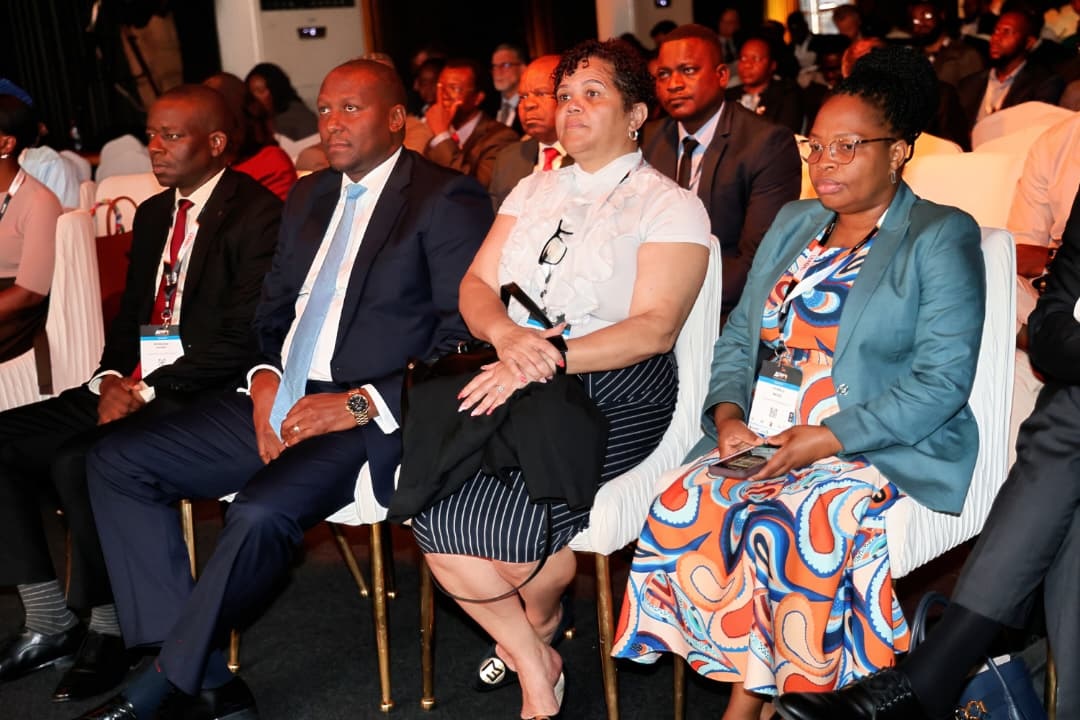
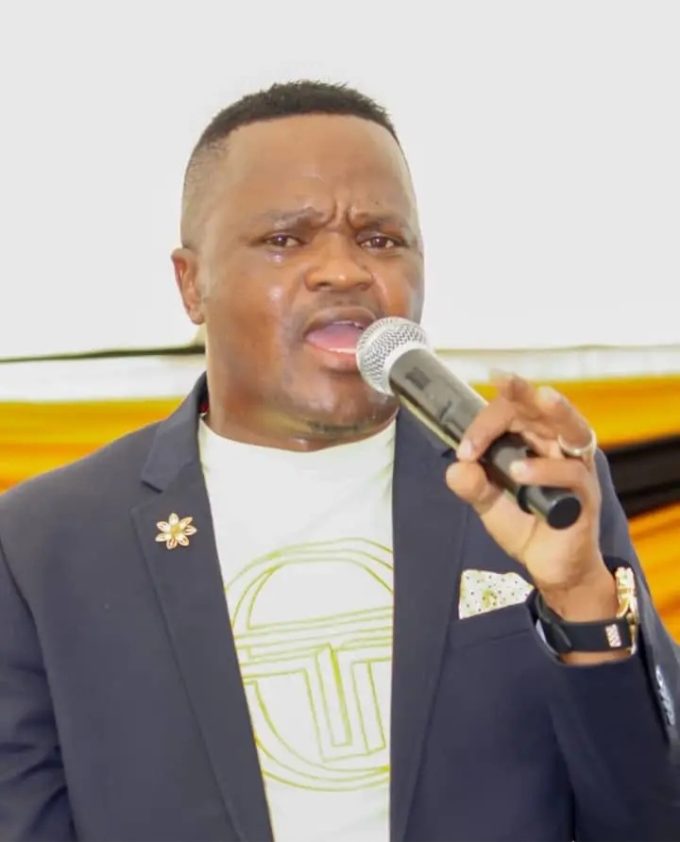
MBABANE – Expanding on Eswatini’s strategic outlook, Prime Minister Russell Mmiso Dlamini called for energy partnerships that deliver more than electricity and physical infrastructure by creating jobs, transferring skills, and building indigenous companies capable of competing as equal partners.
Eswatini is actively seeking credible investors and developers willing to contribute to the long-term development of the country’s energy ecosystem. Rather than viewing the Kingdom merely as an infrastructure destination or serving strictly as contractors, Independent Power Producers (IPPs) are expected to participate as developers, investors, and owners.
This strategy links energy development directly to Eswatini’s broader industrialization ambitions, as reliable and competitively priced electricity is essential for manufacturing and productive industries. Major opportunities span electricity generation and transmission, energy storage, petroleum infrastructure (including investments in the Strategic Oil Reserve Facility), and emerging technologies.
Additionally, Eswatini seeks to strengthen its participation in regional electricity markets, aiming to transition from being predominantly a consumer to becoming a net contributor through the Southern African Power Pool—achieving regional interdependence from a position of strength.
Currently, Eswatini generates about 30 per cent of its consumed electricity domestically, importing the remainder, while maintaining an overall electricity access rate of approximately 88 per cent. To improve self-reliance, the country is pursuing a diversified energy mix featuring hydropower, biomass cogeneration, clean coal technologies, and utility-scale solar with storage.
Concluding his address, the PM invited delegates to attend the SADC Sustainable Energy Week, scheduled to take place in Eswatini from March 15 to 19, 2027, under the theme: “Unlocking Investment for Sustainable Energy, Energy Access and Energy Security in the SADC Region.”










Leave a comment