


EZULWINI – Stakeholders have called for significantly harsher prison sentences and heavier financial penalties under the proposed Tobacco Control Bill to effectively deter offenders.
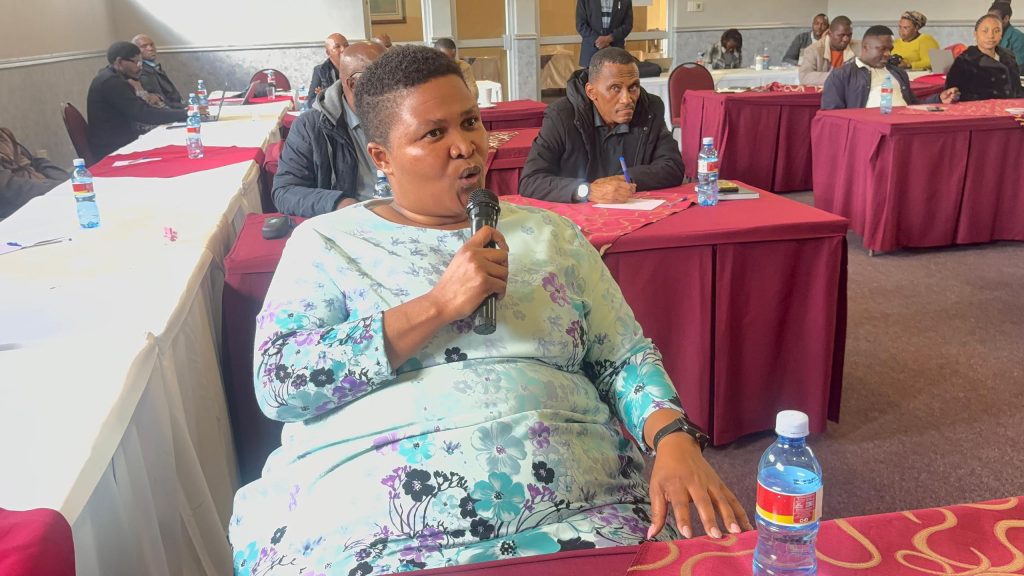
This was said during a consultative meeting on the draft legislation of the Eswatini Tobacco and Related Products Bill, 2026.
The meeting was held yesterday at the Bethel Court Hotel with law enforcers, including the Umbutfo Eswatini Defence Force (UEDF), the Royal Eswatini Police Service (REPS) and His Majesty’s Correctional Services (HMCS).
As Eswatini prepares to enforce its public health framework, the proposed legislation marks a significant milestone aimed at curbing the devastating burden of non-communicable diseases and replacing outdated frameworks like the 2013 Tobacco Products Control Act.
The draft law introduces tough measures, including stricter packaging rules, expansive smoke-free zones and a dedicated Board to regulate the supply chain and protect public health.
The participants during the consultative meeting raised concerns that the currently proposed fines and jail terms were overly lenient and failed to offer a sufficient deterrent.
Under Part 4 of the Bill, which strictly bans all forms of tobacco advertising, promotion and sponsorship, individual offenders face a fine not exceeding E30 000 or up to three months imprisonment for a first conviction. Repeat individual offenders face a fine capped at E50 000 or up to one year in prison.
Speaking during stakeholder discussions, attendees argued that three months in prison is far too light, noting that perpetrators might prefer serving short custodial terms rather than paying the hefty monetary penalties.
The participants suggested pushing individual imprisonment terms to three years for first-time offenders and up to five years for repeat violations to ensure the law carries real teeth.
Meanwhile, for corporate entities, the draft legislation outlines fines of up to E100 000, rising to E500 000 for subsequent offences, alongside potential suspension or revocation of trading permits.
UEDF Legal Advisor Vikinduku Manana called the number of years and fines inconsistent and urged that they should be consistent. He said that at times such legislation ends up being reviewed, and he made an example of a drink-driving sentence which eventually underwent review.
Addressing attendees on the wider public health impact of the proposed law, Non-Communicable Diseases, Injuries and Mental Health Programme Officer Sijabulile Dlamini emphasised that enforcing strict tobacco control measures could prevent more than 3 300 premature deaths in the country over the next 15 years.
Dlamini further noted that tobacco use currently costs the economy approximately E684 million annually, equivalent to 1.1 per cent of gross domestic product, while strong legal interventions could save over E2.7 billion in healthcare expenses and lost productivity by 2034.
Non-Communicable Diseases, Injuries and Mental Health Programme Manager Ntombifuthi Ginindza stated that they are noting all the submissions and that, after their consultative meetings, they would then present the proposed Bill in Parliament. She mentioned that, based on submissions, some elements such as the fines could be subjected to change.






















Leave a comment