

EZULWINI – Eswatini is on course to enact a law that will prevent foreign nationals from entering the country without a valid purpose.
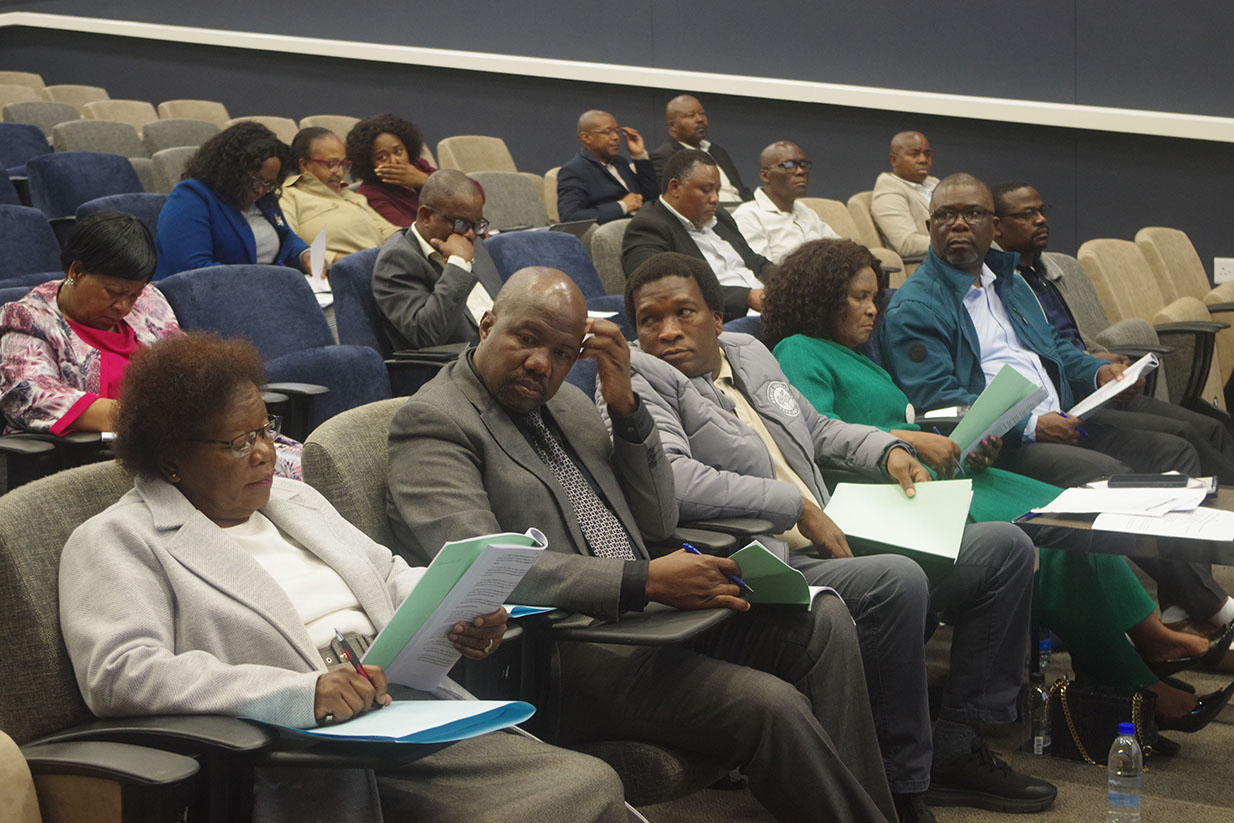
This development was discussed during a joint consultative meeting between Parliament and key stakeholders concerning the Immigration Bill. The consultative meeting was held at the Eswatini Revenue Service Emporium in Ezulwini.
The proposed legislation aims to establish an up-to-date and reliable information system that will be used to vet any foreign nationals wishing to enter the country.
If a foreign national fails to meet the specified requirements or is deemed to pose a risk, a communication would be generated through the system to prevent their entry into the country.
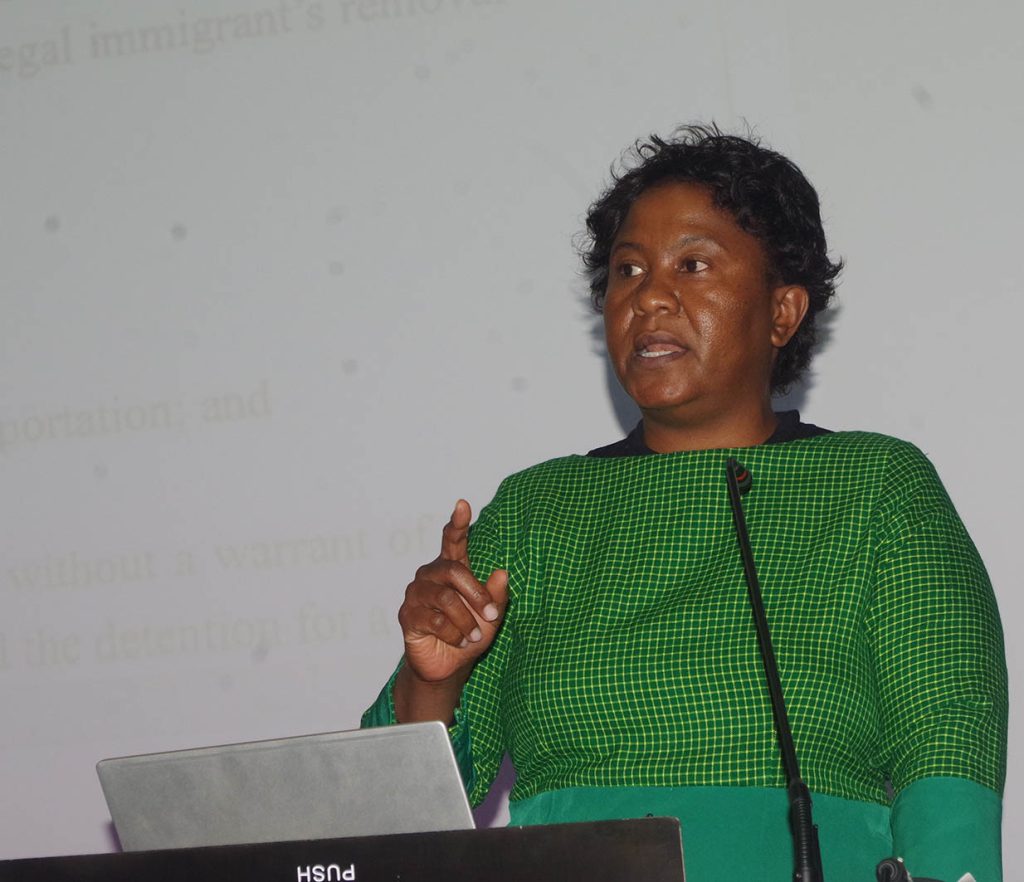
Notably, when the law is enacted, Eswatini will align itself with other nations that have implemented strict control measures to prevent unauthorised entry. Many countries utilise digital border systems and stringent entry rules to curb illegal immigration and overstaying.
For example, in Europe, 29 countries utilise the Entry/Exit System (EES), a digital database that records biometric data such as fingerprints and facial scans, as well as details of entry and exit records.
This system helps to identify overstayers and automatically block unauthorised entries.
During the consultative workshop, it was highlighted that for the country to successfully implement the system, an investment of approximately E6 million would be required to establish and operationalise it.
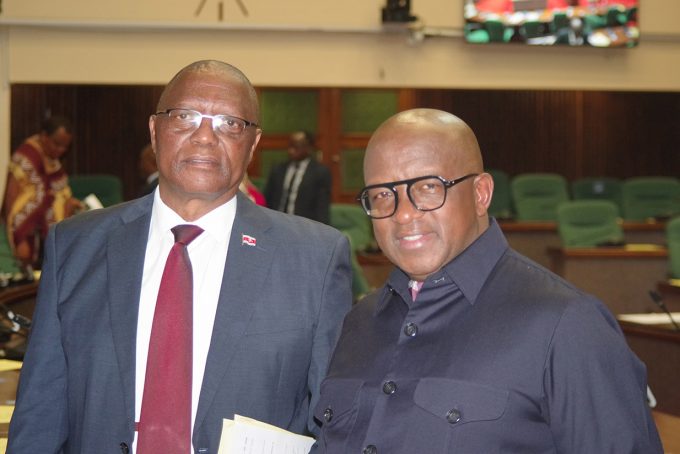
The proposal prompted questions and suggestions from Members of Parliament (MPs). Mafutseni MP Sabelo Mtetwa enquired whether the Royal Science and Technology Park (RSTP) had been involved in the procurement process for the system.
Mtetwa emphasised that involving the RSTP could help save the country from incurring higher costs. He stated, ‘has the RSTP been involved in the procurement of the system? The company was established to handle such situations efficiently and transparently’.
In response, the committee responsible stated that the RSTP was indeed involved, alongside other stakeholders, in the procurement process.
Senator Tsembeni Magongo asked how soon the system could be implemented. Other MPs pressed the responsible committee to disclose the cost of the system. The committee responded that the system would be operational once appropriate legislation was enacted to support it.

“In our currency, the system will cost approximately E6 million,” the committee stated. The stakeholders appeared satisfied with this proposed purchase price, with some remarking, ‘It’s cheaper than one might expect.’
In another matter, stakeholders expressed concerns about foreign gamblers from countries such as Mainland China, the Republic of China (Taiwan), Cambodia, Thailand, Myanmar, the Philippines, Vietnam, India, Indonesia and Brazil, stating that they would have not left their home countries for Eswatini had the country had the proposed system in place. They noted that these nationals had been arrested for operating illegal gambling businesses in Eswatini.
The foreign nationals were apprehended alongside their employers and, after being found guilty and convicted and were repatriated.
Regarding how other countries control foreigners without a valid purpose for visiting, the Entry/Exit System (EES) website highlights several measures.
Many nations have systems in place to prevent entry of foreigners lacking a valid purpose. The United States, for example, employs advanced electronic screening, visa controls and Customs and Border Protection interviews.
These systems require visitors to demonstrate a legitimate purpose such as tourism or business; failure to do so results in immediate denial of entry under strict inadmissibility rules.

Australia utilises an Electronic Travel Authority (ETA) and advanced Passenger Processing. This system checks traveller details against security databases before boarding flights, verifying the travel intent.
In New Zealand, travellers are required to obtain an Electronic Travel Authority (NZeTA), along with proof of onward travel and sufficient funds. Border agents have the authority to deny entry if a visitor cannot demonstrate a valid reason for their trip.
Similarly, Canada employs Electronic Travel Authorisation (ETA) and primary inspection kiosks at airports. Border service officers question arrivals to confirm their purpose of visit and financial support, with the authority to refuse entry if the traveller’s purpose is deemed invalid.














Leave a comment