

MBABANE- Government is exploring small modular reactor technology as government looks to nuclear power as a possible solution to the country’s long-term energy security needs.
The development was revealed by Minister for Natural Resources and Energy Prince Lonkhokhela during Eswatini’s Country Statement at the 70th Regular Session of the International Atomic Energy Agency (IAEA) General Conference in Vienna.
The minister said Eswatini was pursuing energy security through the exploration of small modular reactor (SMR) technology. He further stated the country’s commitment to nuclear non-proliferation, safety, security and safeguards.
The move places nuclear technology among the options being considered as Eswatini seeks to strengthen and diversify its energy supply. Eswatini welcomed its inclusion in the IAEA’s RAF-2016 project, which supports African countries in developing nuclear power programmes. The IAEA’s involvement could help the country assess the technical, regulatory and institutional requirements associated with nuclear power development.
The exploration comes alongside government’s efforts to strengthen the country’s nuclear regulatory system. Prince Lonkhokhela said Eswatini had established an independent Nuclear Radiation Safety Regulatory Authority in line with IAEA standards. Government is also working to strengthen the policy and legislative framework governing nuclear safety and security, while prioritising domestic funding for the new regulator.
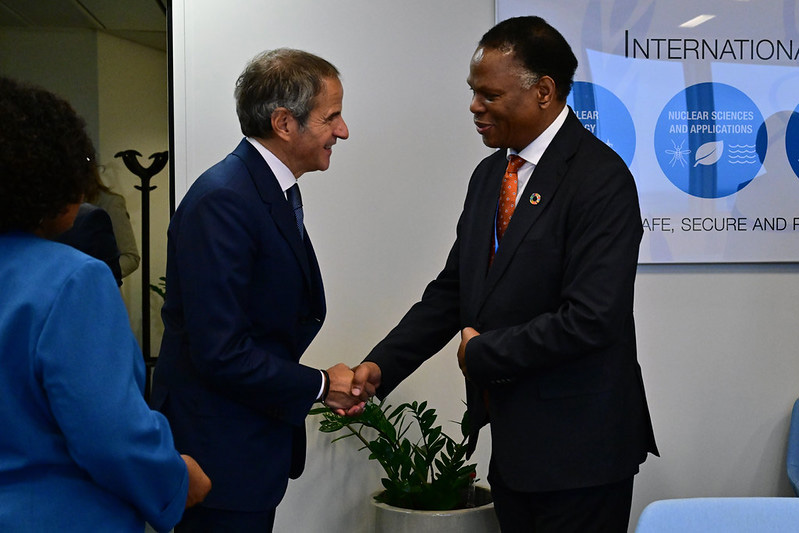
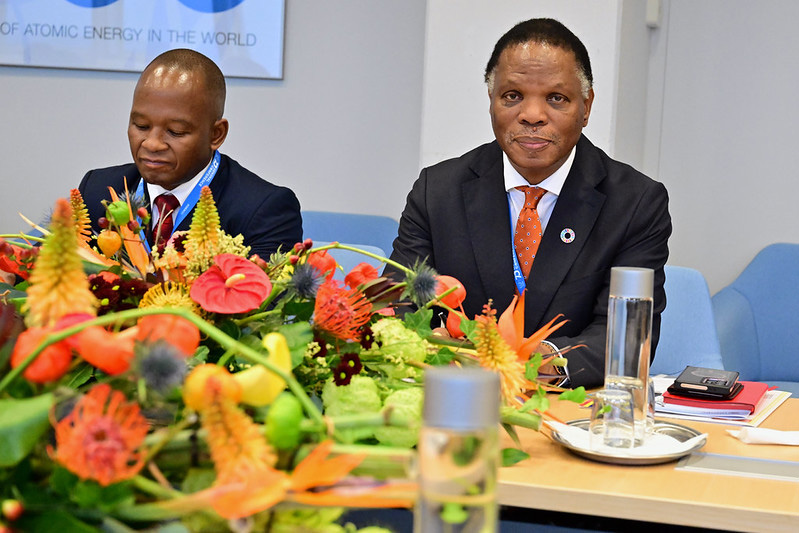
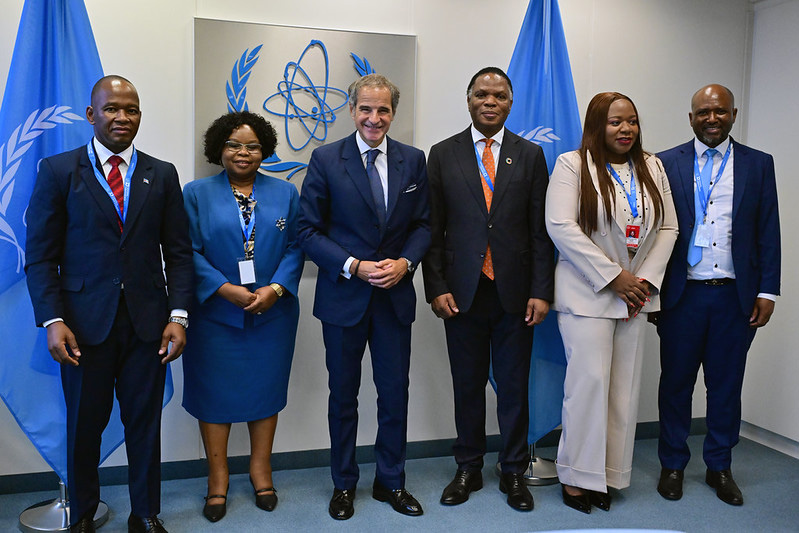
Following his address, the minister held a bilateral meeting with the IAEA Director General in Vienna. The Director General expressed the organisation’s readiness to assist Eswatini in establishing the nuclear regulatory body and training officers in safety standards. The IAEA is also expected to continue supporting Eswatini in other applications of nuclear science, including healthcare.
One of the country’s major projects is the planned first public radiotherapy facility at Manzini Government Hospital. Preliminary designs and environmental, social and geotechnical assessments for the facility have already been completed with IAEA guidance. The project is expected to require approximately €10 million (approximately E 219 338 000) for construction and equipment.
Eswatini has also identified water security and agriculture as areas where nuclear science can support national development. The country is participating in the IAEA’s Water Availability Enhancement Initiative and is developing a National Hydrological Gap Plan. In agriculture, nuclear techniques have contributed to the development of early-maturing and high-yielding cowpea mutant lines.
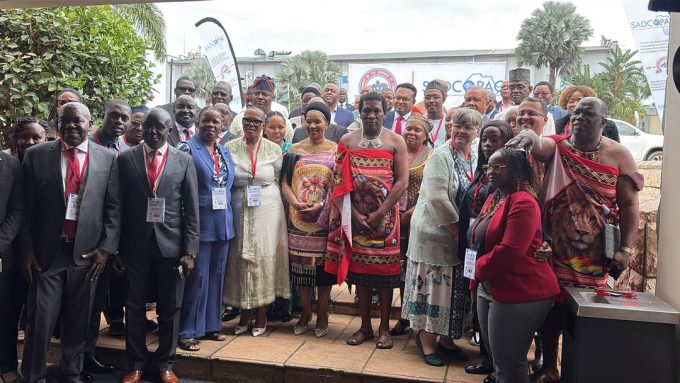
Eswatini has expressed interest in participating in the IAEA-FAO Atoms4Food Initiative to strengthen climate-resilient food production. The government’s nuclear ambitions therefore extend beyond electricity generation, with officials positioning nuclear science as a tool for addressing energy, healthcare, food security and water challenges. Eswatini will host SADC Sustainable Energy Week from March 15 to 19, 2027, where the country intends to deepen regional discussions on sustainable energy solutions. The minister invited the IAEA Director General and his team to participate through exhibitions, technical engagements and speaking roles.













Leave a comment