

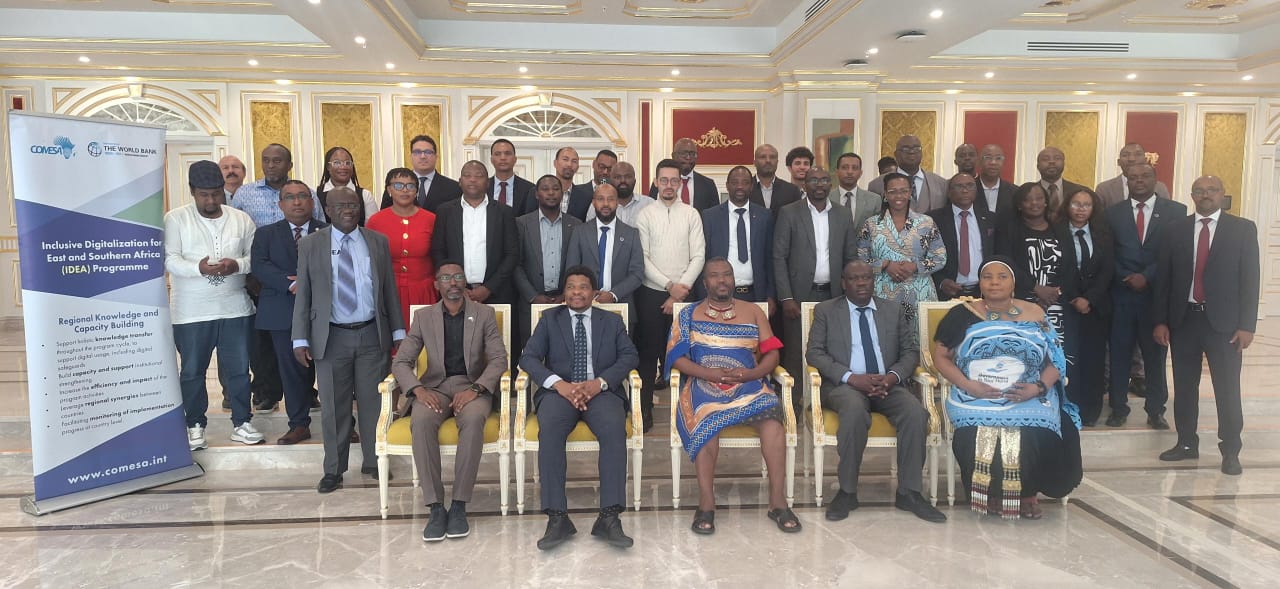
EZULWINI- Eswatini is hosting a three-day regional meeting aimed at turning research on artificial intelligence (AI) into practical policies and regulatory frameworks for Eastern and Southern Africa.
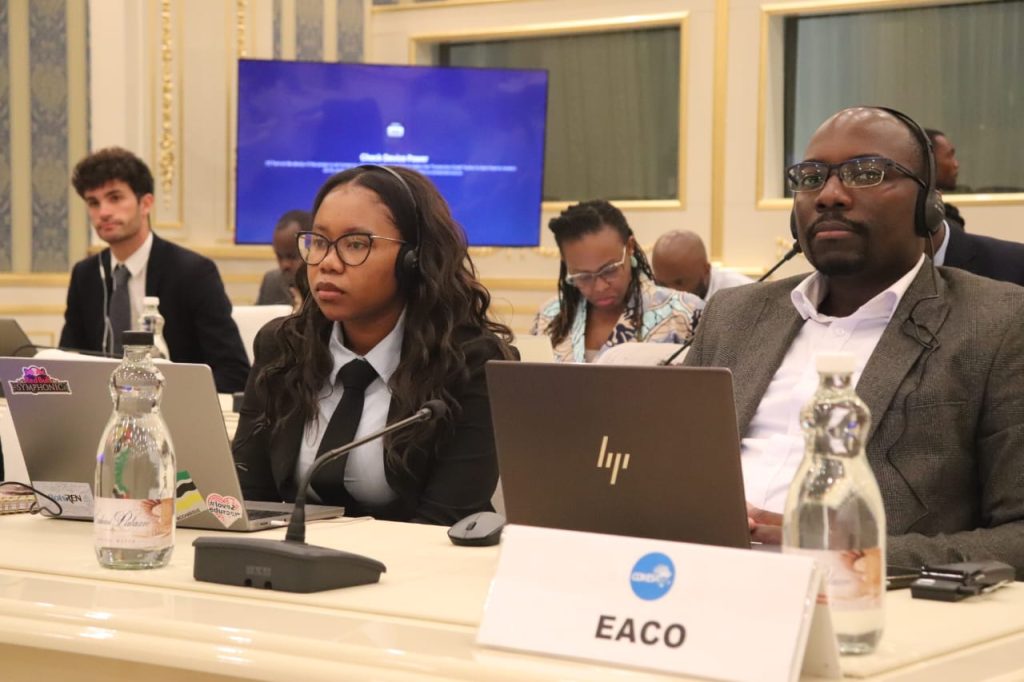
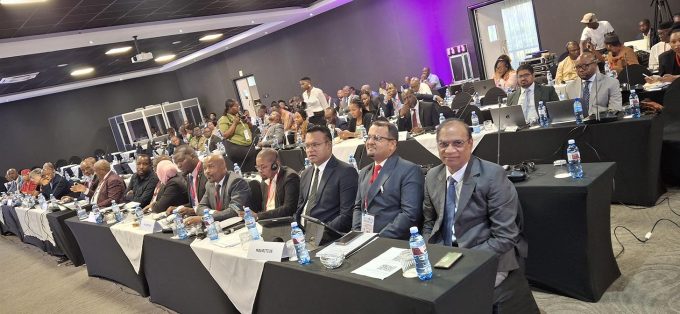
The Regional Validation Meeting for the Draft Study Report on Artificial Intelligence and Emerging Technologies opened at the Ezulwini Palazzo International Convention Centre on Wednesday (September 16, 2026), bringing together representatives from the Common Market for Eastern and Southern Africa (COMESA) member States, regional economic communities, the African Union, ICT agencies, the World Bank and other regional and international organisations.
The meeting is being held under the World Bank-funded Inclusive Digitalisation in Eastern and Southern Africa (IDEA) Programme.
It is expected to scrutinise the draft study before the region moves into the second phase of developing a Regional AI Strategy, Model Policy Guidelines and a Model Regulatory Framework for AI and emerging technologies.
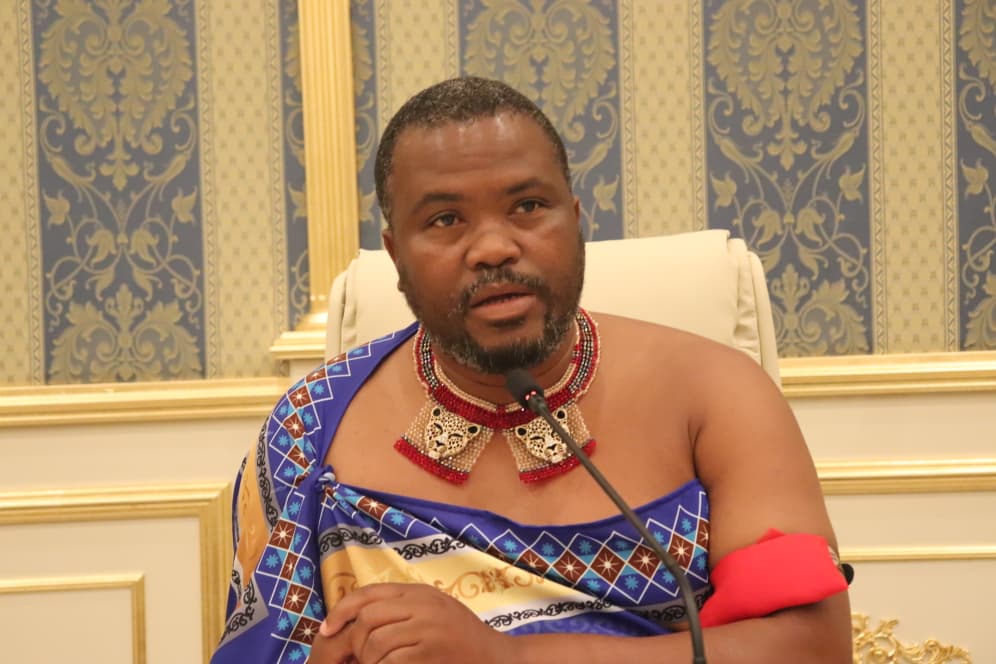
Representing Minister for Information, Communications and Technology Savannah Maziya, Minister for Tinkhundla Administration Sikhumbuzo Dlamini said the meeting presented an important opportunity for member States to test the study against realities on the ground.
He said Eswatini supported a coordinated regional approach because countries could benefit from shared expertise, harmonised policies and solutions to challenges that crossed national borders.
“Artificial intelligence presents transformative opportunities to enhance public services, boost productivity and drive innovation across agriculture, healthcare, education, finance, trade and climate resilience,” the minister said.
The minister further said Eswatini was also developing its own national response to AI.
He disclosed that the country had recently engaged a consultant to draft its National AI Strategy, saying the regional validation process would contribute to and streamline Eswatini’s own situational analysis.
Dlamini warned that regional AI policies needed to reflect the different levels of readiness, infrastructure and institutional capacity among member States. He called on delegates to identify gaps and correct inaccuracies in the draft report before it is used to develop the next set of regional policy instruments.
The minister further said inclusion should remain central to the process.
He said the region needed to consider whether AI would be affordable and accessible to women, young people, rural communities, persons with disabilities and other underserved groups. Data protection, privacy, cybersecurity, ethics, human rights and environmental sustainability were also identified as issues requiring attention.
World Bank representative Luke Mate said the institution remained supportive of efforts by countries in the region to adopt AI for development. He said Africa stood to benefit from the technology if it was deployed for the right purposes and in ways that addressed countries’ development needs.
Mate commended the Common Market for Eastern and Southern Africa COMESA for adopting a consultative approach to the development of the regional framework. He said the bank wanted the outcome of the process to be more than policy documents sitting on shelves. “We are really looking forward to seeing that the outputs of these documents will not be just documents that we put away on shelves, but they will be living instruments that countries will be able to use to better the livelihood of their citizens,” he said.
Mate said the regional process could also help build links with the African Union’s continental digital and AI agenda. He described participating countries as forerunners who were laying the groundwork for countries that would join the process in future.
COMESA representative Leonard Chitundu on behalf of the COMESA Director of Infrastructure and Logistics said the draft study was the product of the first phase of the initiative, which focused on understanding the region’s AI and emerging technology ecosystem. He described the validation meeting as a critical bridge between evidence and policy.
Chitundu said the quality of the validation would determine how useful the findings were when translated into regional policy instruments.
He said AI could improve public services and strengthen sectors such as agriculture, healthcare and education, while also facilitating trade and creating opportunities for local enterprises.
However, he said countries would need investment in skills, infrastructure and data alongside safeguards for privacy, security, fairness and accountability.
The six areas guiding the review are policy and regulation; skills and readiness; innovation and AI use cases; digital infrastructure and data; investment and market development; and environmental sustainability and responsible AI.
Delegates have been urged to assess whether the study accurately reflects conditions in their countries, identify missing initiatives and constraints, and propose practical recommendations.
Chitundu said the meeting should conclude with agreement on corrections and additions to the report, priority AI use cases and strategic interventions, as well as clear direction for the second phase. The World Bank’s latest development report on AI also stresses that developing countries need to strengthen power, connectivity, skills and institutions if they are to capture the benefits of AI while managing its risks.
The COMESA-IDEA programme has previously identified policy and regulatory alignment, digital skills, infrastructure, data and high-impact applications in areas such as agriculture, health and education as key elements of responsible AI adoption.












Leave a comment