

Sometimes, the person who needs help does not look like they need help. They may be going to work every day. They may be laughing with friends, attending church, taking care of their children or posting happy pictures on social media. They may even be the person everyone turns to when they need support.
But behind that smile, they may be struggling. As Suicide Prevention Month is observed this September, there is an important message that needs to be repeated: We need to talk about mental health and we need to talk about it before someone reaches breaking point.
Too often, people suffer quietly because they f e a r b e i n g judged, misunderstood or label l ed. Others convince themselves that what they are experiencing is simply stress, tiredness or a difficult phase that they must overcome on their own.
B u t sometimes, you do not have to figure it out alone. A conversation can be a beginning
Asking someone: ‘Are you really okay?’ can open a door that a person has been afraid to open themselves.
It is important to create spaces where people can speak honestly about what they are feeling without immediately being told to ‘be strong’ or ‘pray about it’. Faith, family and community support can be valuable, but professional mental healthcare can also make a significant difference.
Talking to a mental health specialist can help bring understanding to what feels confusing and overwhelming. Seeing a psychiatrist does not mean that someone is ‘crazy’ or that their situation is hopeless.
A psychiatrist is a medical specialist who can assess a person’s mental and emotional well-being, identify possible conditions and recommend an appropriate treatment plan. This may include medication where necessary, therapy, lifestyle changes and collaboration with other healthcare professionals.
Most importantly, a consultation provides a safe and confidential space to talk, be heard and seek answers without judgement.
Suicide prevention is not only about what happens when someone is already in crisis. It is also about early conversations, recognising warning signs, listening without judgement and connecting people to help.
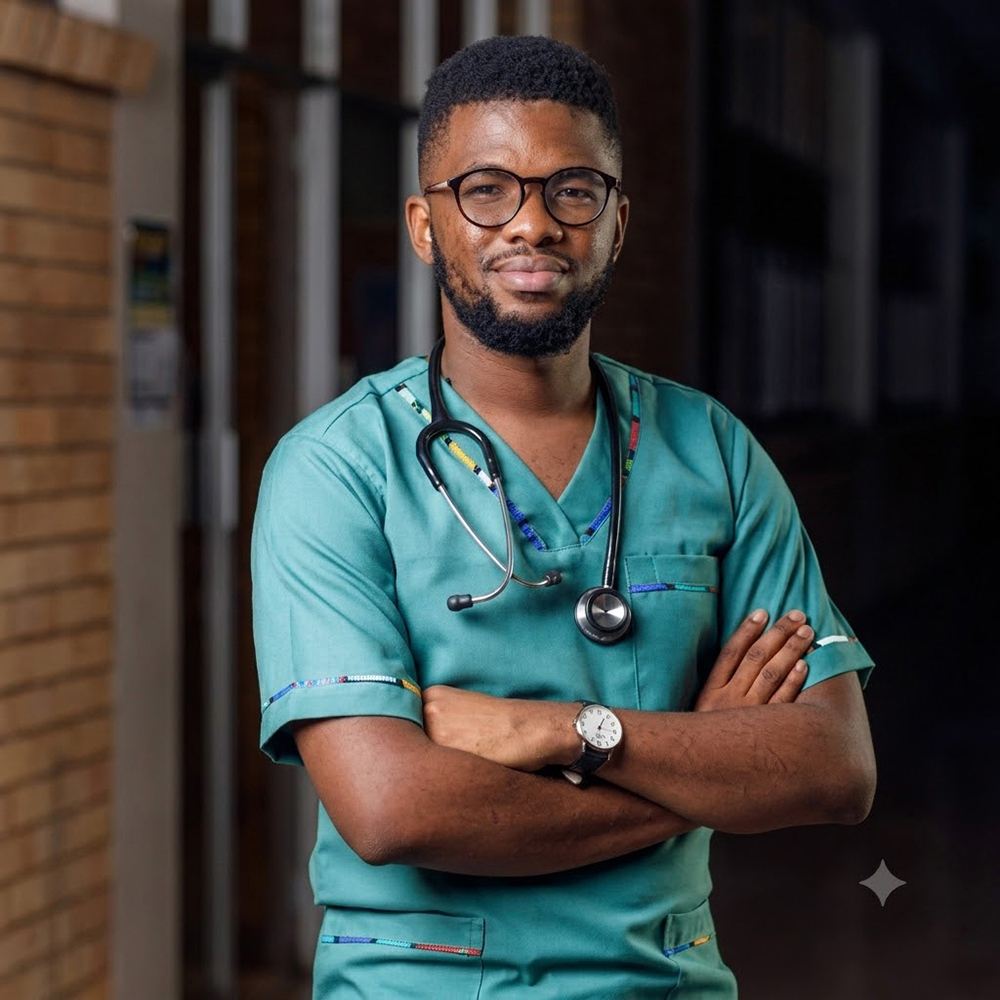
Sometimes the most powerful thing you can tell someone is: ‘You don’t have to carry this alone. Talk to me.’ And sometimes, the most courageous thing you can say yourself is: ‘I am not okay, and I need help.’ This September, Specialist Psychiatrist Dr Bonginkosi Mafuze, will be consulting at Linamandla Medical Centre until September 18, 2026, offering an opportunity for children, adolescents and adults to seek professional mental health assessment and support.
Your life is worth the conversation. To book a consultation with Dr Mafuze, contact Linamandla Medical Centre on 7807 2413, 7802 5096 or 7621 3822.
















Leave a comment