

Madam,
We love the feeling of carrying tall reeds and wearing indlamu, taking photos and bursting into songs about youthfulness. But preserving chastity feels like a stone age practice. We love carrying lusekwane and wearing simohlwane, yet kubutseka feels like a humiliation ritual. We like the appearance of culture, but the understanding of culture is something we seem to have lost. We don’t love culture; we just love its aesthetics.
Aestheticism has distorted our relationship with culture. It has made us a two-sided beast with no coherent identity. We want to display the parts of our culture that we consider beautiful or presentable enough for the world to see, regardless of whether we still believe in the values that give those practices meaning. On the other hand, we want to live lives that contradict those very values. We want to attend Umhlanga, yet somehow believe that sexual purity is a backward belief. We want emalobolo, yet advocate that women should not be materialised and that their value cannot be reduced to a bride price. We want men who are traditional and masculine, men who can assert dominance, yet somehow see patriarchy as inherently suppressive towards women.
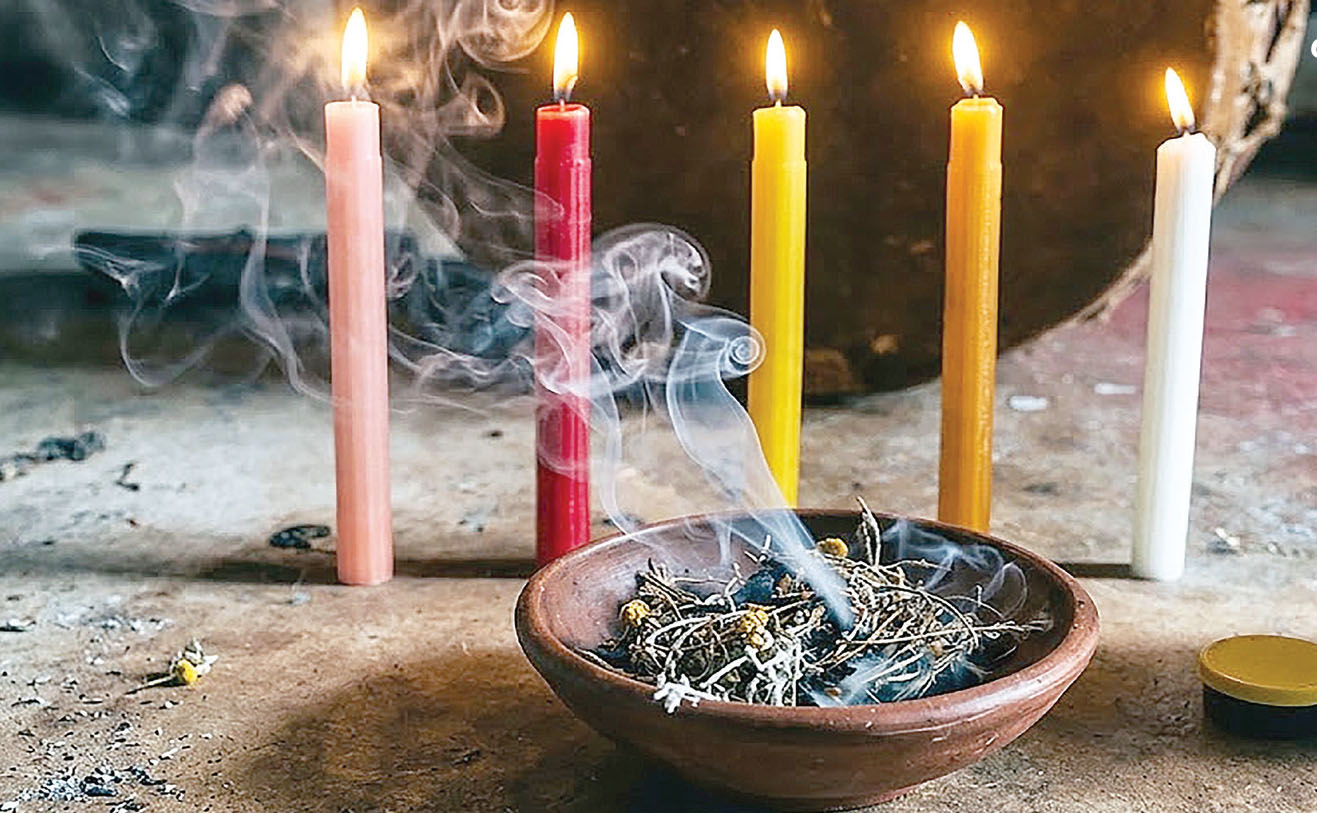
We like the thought of African spirituality. “Jesu lidloti lalabansundvu… leta nebelungu bafuna umhlaba wetfu, basiyenga.” We can quote these words and romanticise the idea of reclaiming an African spiritual identity, but practising the same traditions involving emadloti suddenly feels like demon worship. Lighting imphepho, offering umcombotsi and speaking to ancestors during kuphahla can feel strange, not because we have necessarily examined these practices, but because they are no longer aesthetically pleasing to us. Sometimes, even mingling with or dating someone with an ancestral calling becomes a red flag. Reading siSwati feels painful enough; we can’t even name one siSwati novel even at gunpoint. We want marriage, but not kutekwa. Wearing siphandla does not have the same aesthetic appeal as a white wedding ring.
And culture is not the only victim of aestheticism. We make life choices according to how things look rather than what they mean. Some people date a person because they look good together and make a ‘fine couple’. Others attend a particular church because it has the right vibes and a good background for a Sunday OOTD picture. Some aspire to become doctors because they imagine themselves looking good in scrubs. We choose restaurants because the lighting is aesthetic. We choose careers, relationships, friendships and even spirituality based on how well it looks. There is nothing inherently wrong with wanting beautiful things. The danger begins when aesthetics becomes the standard by which we determine what deserves to survive. Aestheticism is lethal in the long run because it creates a kind of blended-mesh culture, one that borrows fragments from everywhere without being deeply rooted anywhere. The practices that are not attractive or convenient to us are systematically alienated. Eventually, they disappear. And when they do, what exactly were we preserving?
The first step in dealing with aestheticism is acknowledging that there is no culture or anything meaningful, for that matter, that does not require us to trim parts of ourselves. Even God does not simply ask us to remain exactly as we are; there are things we are expected to cut away. We fast. We pray. Society works the same way. You cannot simply fit into every world without changing something about yourself. Some parts of you will have to die. And that is not necessarily wrong. It is a choice. Likewise, our aesthetic preferences cannot always coexist comfortably with our culture. If you believe virginity or purity is a scam, that is your choice. But perhaps the answer is not to pollute the meaning of the practice until it becomes something else entirely. We need to accept that culture exists beyond our personal preferences.
Culture is bigger than us. Older than us. It was here before we arrived and it should remain after we are gone. This is not about forcing every old practice upon ourselves simply because it is old. It is about refusing to discard parts of ourselves merely because they no longer look good in photographs. Because one day our grandchildren may ask us what happened to the culture we were so proud to display.
“We preserved the pictures. We just forgot to preserve the meaning,” we would tell them.
Wandile Sihlongonyane

















Leave a comment