

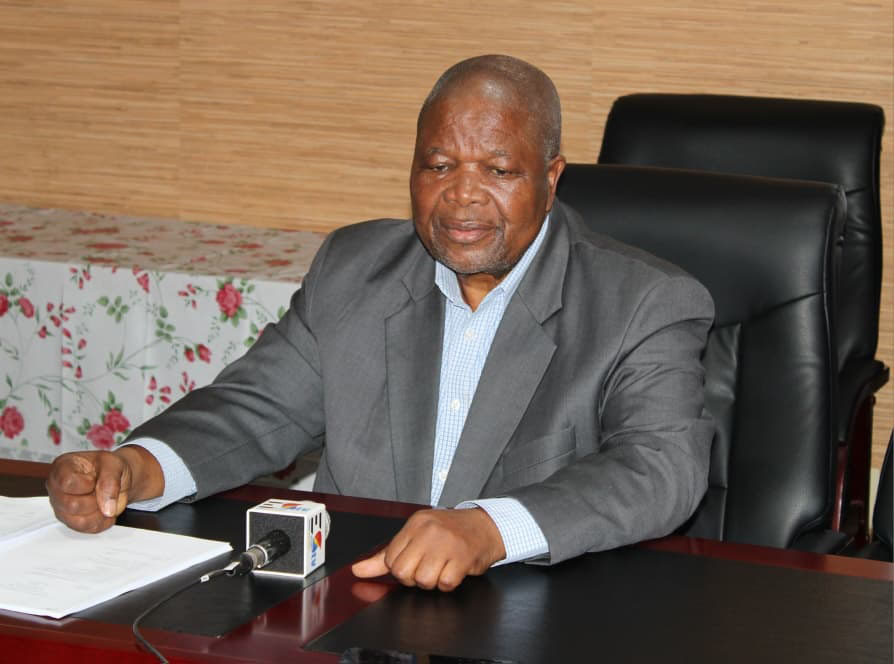
Talkabout a painful irony. On the same day, His Majesty King Mswati III was opening the Khanyisile Hee Yeon Medical Centre at Enyonyane in Ezulwini, a modern facility offering specialised services, the country’s head of the Judiciary breathed his last in a South African health facility. The death of Bheki Maphalala, Eswatini’s first liSwati Chief Justice, has left the kingdom grieving.
His passing is not only a loss to the Judiciary but also a sobering national moment. It is another life lost on foreign soil.
The chief justice is one of many. The Phalala Medical Referral Fund, established to assist patients referred abroad, has been a vital lifeline. But that resource should be financing local healthcare, as it almost equates to the export of taxpayers’ hard-earned money. Worse, it sometimes leads to the very outcome we mourn – death far from home. The King has repeatedly said this must end. In his February 2024 Speech from the Throne, he stated that the national goal is for every liSwati to have access to quality healthcare as and when needed, without financial or service difficulty. He declared: “Our ultimate goal is to strengthen our health sector and provide specialised medical care locally.” He urged government to expedite the mobilisation of resources and insisted, “No liSwati should die from the lack of proper health services.” That directive was not merely about building one structure. It was about creating a system in which every needed procedure is available inside the country. The solution, therefore, must be government working hand in hand with the private sector.
No single institution can deliver every specialised service. Nor can government, on its own, meet all needs quickly. At the clinic opening, the King described the centre as a major addition to the country’s health infrastructure and some of its facilities as ‘world-class’.He challenged government to ensure sustainability and to complete the remaining phases.
This was a directive for long-term public and private partnership in the health sector. He linked the facility to Sustainable Development Goal 3 and to the goal of healthy lives for all.The statistics shared were encouraging: About 85 per cent of the population lives within eight kilometres of a health facility; the Universal Health Coverage Index has improved from 58 per cent to about 70 per cent; maternal mortality has fallen; tuberculosis incidence has dropped; cervical cancer screening has reached 66 per cent; and malaria elimination is on track for 2028.Yet they cannot mask the fact that too many emaSwati still travel to South Africa for specialist care.
The private sector already has skills, equipment and experience. The Clinic Group, through Mbabane Clinic, has demonstrated this. It offers cardiology and has successfully run a cardiothoracic clinic, performing procedures such as thoracotomy, bronchoscopy with biopsy and oesophagoscopy with dilatation. It has also performed complex operations like the Whipple procedure. Its Managing Director, Gcinekile Nxumalo, said the Group is ensuring emaSwati ‘no longer need to look beyond the country’s borders for life-saving chest and oesophageal interventions’, bringing ‘First World healthcare home’. This is exactly the spirit the King has called for. But one group cannot carry the nation. The health sector, in its entirety, must rise. Government must create an enabling framework for public-private partnership. It should audit which procedures are still unavailable locally, accredit private facilities to provide them and integrate those facilities into public referral pathways.
Phalala should pay for care locally wherever capacity exists, rather than automatically sending patients abroad. Government should negotiate bulk contracts, share diagnostic equipment, fund specialist training and offer incentives for private hospitals to invest in underserved disciplines. It must also ensure quality, affordability and accountability so that partnership does not become profiteering. The King required government to develop a strategic programme for sustainability at the new centre. That same requirement should apply across the entire health system.
The King’s 2021 opening of the Mbabane Government Hospital Referral and Emergency Complex also showed his vision of local specialised care. As a country, we need to ensure the public and private hospitals can handle complex cases and both can train the next generation of specialists. What is missing is coordination.
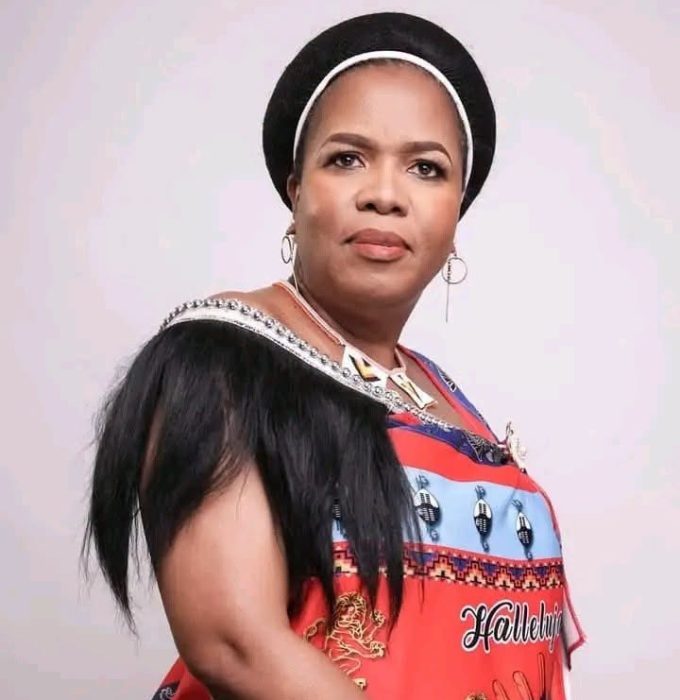
The Ministry of Health should convene a forum with private providers to map services, set standards and monitor results. It should also protect patients from exorbitant costs, because the right to health is not a privilege for the wealthy. Chief Justice Maphalala’s death should not become just another statistic. It should be the moment we decide that no liSwati should die in a foreign hospital while a local facility could have saved them. The King’s speeches are a mandate and government must lead the implementation, but it must not act alone. By working with the private sector, it can ensure that all medical procedures are available in Eswatini. One was also saddened to learn of the sudden demise of Princess Lindiwe, the Home Affairs Minister. May I take this opportunity to extend my sincere condolences to Their Majesties, the royal family, families, relatives and friends of both Princess Lindiwe and the chief justice. We pray that the Lord Almighty will comfort and strengthen them during this challenging time. May their souls rest in peace.


















Leave a comment