

MBABANE – Tightening security screws!
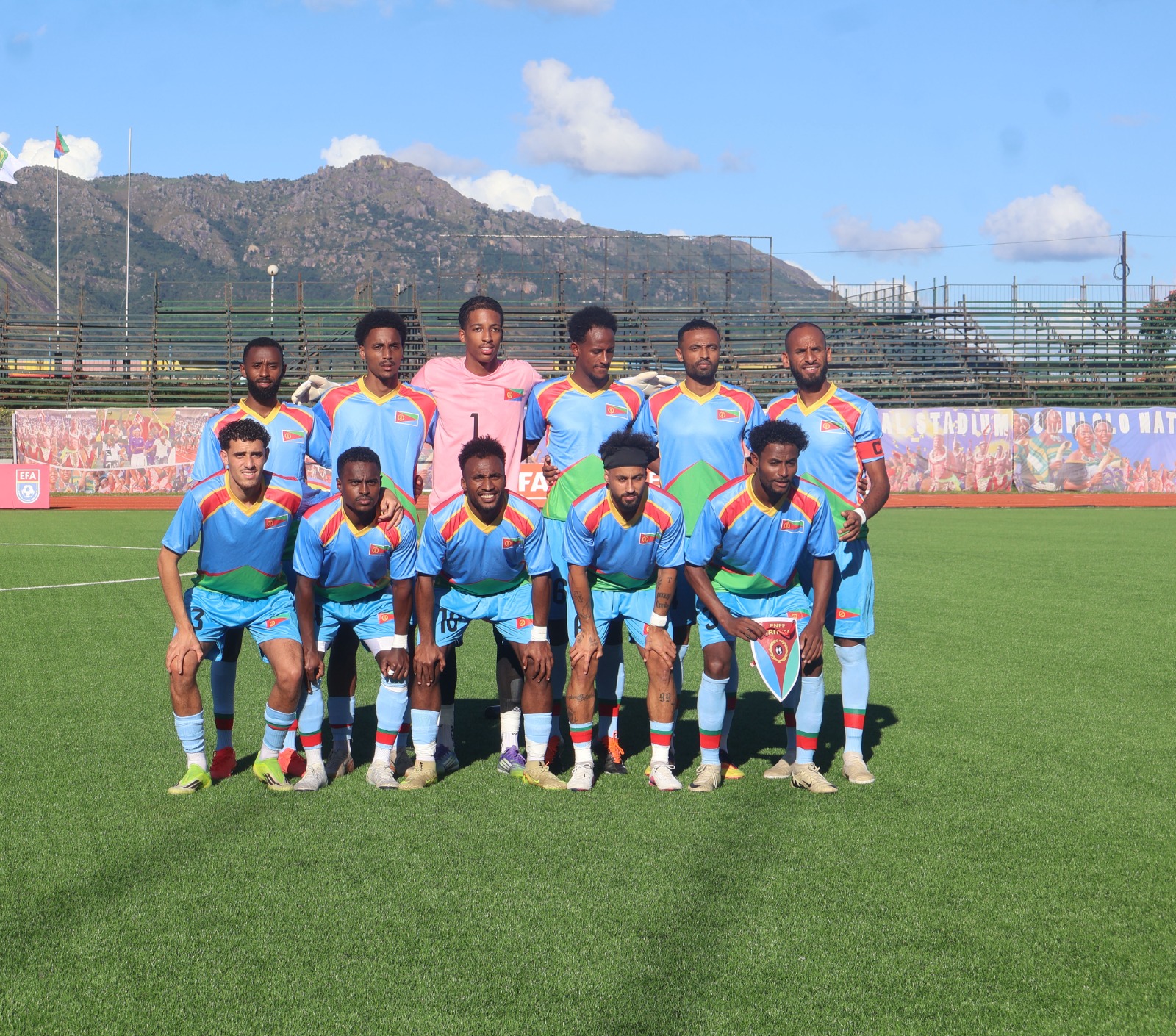
Following player disappearances during their TotalEnergies Africa Cup of Nation (AFCON) preliminary tie against Eswatini, Eritrea is tightening security for upcoming matches against Kenya and South Africa.
In their March preliminary encounter, Eritrea triumphed over Eswatini with a 2-0 victory in the first leg played in Morocco and a 2-1 win in the return fixture, securing a 4-1 aggregate win to eliminate Eswatini. However, the historic milestone was overshadowed when at least seven Eritrean players managed to slip away and escape during their team’s international trip.
Eritrea is widely regarded as an authoritarian state and is frequently ranked among the least democratic nations globally. Football within the country is heavily impacted by these conditions, with players subject to strict regulations that prevent them from leaving without prior government authorisation.
This political climate has profoundly affected the national team, which is competing in the AFCON qualifiers for the first time since trying to reach AFCON 2008. Nineteen years after their previous qualifying campaign, Eritrea will begin their group fixtures against Kenya in Nairobi on September 26, followed by a match against Bafana Bafana in Cairo on September 30.
According to reports from South Africa’s soccer publication, Kick Off, earlier this week, ENFF President Paulos W/Haimanot held a press conference in the capital of Asmara to address the upcoming fixtures. W/Haimanot announced plans to integrate a greater number of dual-nationality and overseas-based players into the squad.
According to Africa Intelligence, this strategic shift is designed to curb an increasing rate of defections, as select national team members have previously utilised international fixtures as a chance to leave the country. Furthermore, reports indicate that the Eritrean head of state has personally mandated heightened surveillance of the players during their travels to Kenya and South Africa.
Additional reports reveal that locally-based players will be assigned dedicated minders to monitor their movements throughout the training camp, directly responding to past incidents where players made unauthorised exits during international assignments. Over the years, numerous Eritrean players have sought asylum and vanished while on international duty across various host countries.
It is worth noting that the seven players, who did not leave after the game against Sihlangu, are still in the country and they were once housed by the Eswatini Football Association (EFA) at the Lobamba Technical Centre. Earlier reports suggested that they were training with Mbabane Swallows but the deal collapsed.
The list of Eritrean players who went missing:
Kenya: 4 players in Nairobi (2006); 12 players (2009)
Tanzania: Up to 12 players (2007)
Angola: 6 players (2007)
Uganda: 4 players (2019, U-20); 7 players (2019); 5 players (2021, U-20 women)
Botswana: 10 players (2015)
Eswatini / South Africa route: 7 players (2026)
















Leave a comment