

Municipal Council of Mbabane CEO Gciniwe Fakudze says the capital is working to become cleaner, smarter and more inclusive.
In this conversation with the Times of Eswatini, she discusses the council’s current priorities, the review of the Town Planning Scheme, public participation and her hopes for Mbabane a year from now.
Q&A session:
TIMES: If you live in Mbabane and have been watching what is happening around the city, there is plenty to talk about. What has been keeping the council busy?
CEO Gciniwe Fakudze: Our hands are more than full. The council is moving at an incredible pace, driven by a clear vision to transform our capital into a smarter, cleaner and more economically vibrant city.
The council’s current priorities span infrastructure, culture, sustainability and economic development:
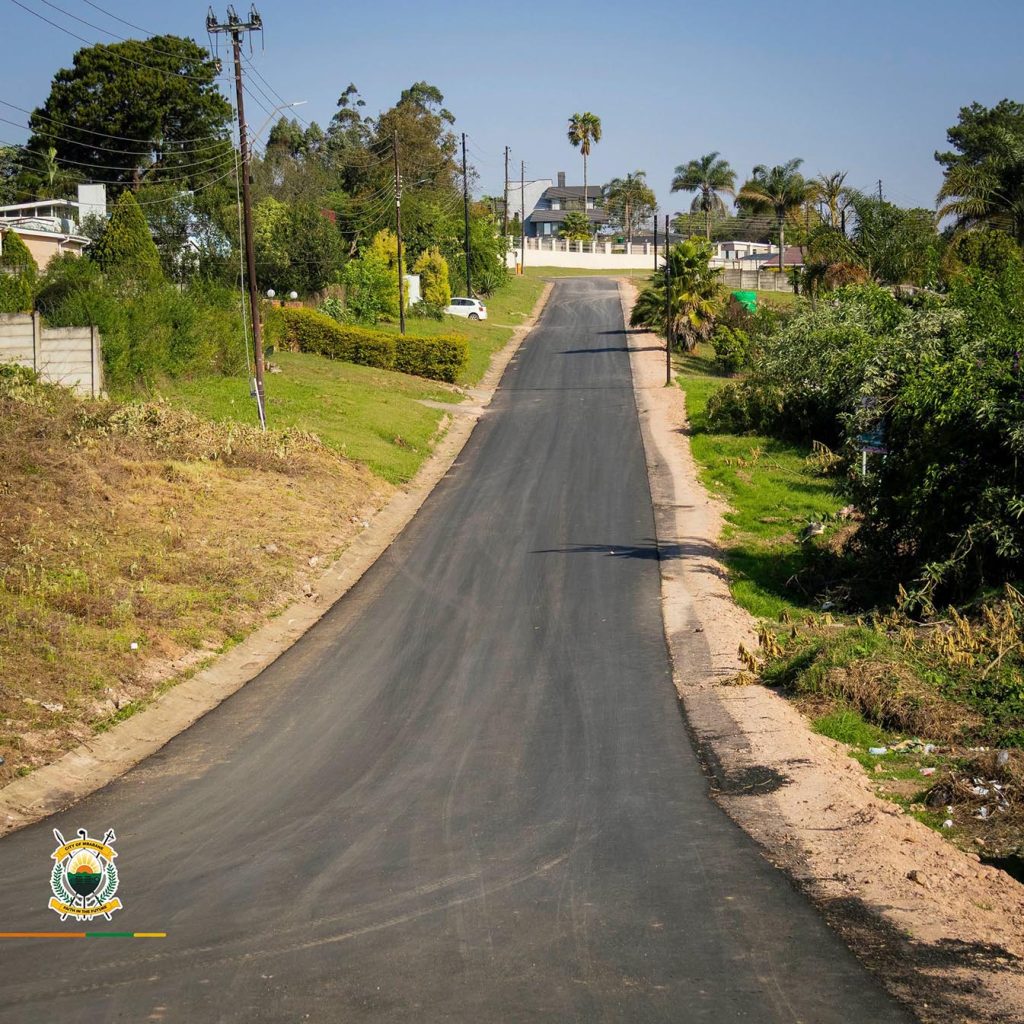
Infrastructure and maintenance: Teams are clearing and improving drainage, rehabilitating local roads, expanding pedestrian walkways and servicing streetlights. This is the practical foundation of municipal life: Roads and drains must work, people need safe routes to walk and streetlights help the city remain accessible after dark.
Culture and sport: We have been energised by the turnout and community spirit at the +268 Bikers Club Rally, and we look forward to the annual Mbabane Marathon, Mbabane Day and the October Theatre Festival. These events reinforce the city’s place as Eswatini’s cultural and entertainment heartbeat.
Green economy and waste: Following our Best Stand Overall award at the Eswatini International Trade Fair under the green economy theme, we are advancing sustainable waste management, including solar-powered collection tricycles. We are also rolling out tools aligned with global best practice to help keep Mbabane clean. Solutions should support a cleaner city while responding to the realities of collection and disposal.
Youth and local enterprise: We have rolled out micro-grant funding and business support for young entrepreneurs with the Youth Enterprise Revolving Fund. Cultivating local economic development and giving young people a stake in the city’s business ecosystem are daily priorities.
Planning and investment: We are preparing a comprehensive review of the Mbabane Town Planning Scheme to balance neighbourhood character, reduce red tape and unlock sustainable investment.
Urban Forum preparations: Our teams are preparing for the Eswatini Urban Forum, October 28 to 30, 2026. It will bring leaders, innovators and residents together to discuss financing, smart solutions, resilient infrastructure and housing for all.
These strands of work belong together: maintaining what residents depend on now, while planning for a city that can grow and adapt. We are not just managing a city; we are maintaining its foundations, building its future and celebrating its culture with residents and partners.
TIMES: Has the role of a modern city council changed? Is it now about more than roads, waste and basic services?
CEO: Absolutely. The traditional definition of a city council as ‘roads, rates and rubbish’ belongs to the past. Reliable core services remain our foundation, but modern councils are also socio-economic enablers, resilience builders and architects of the future.
A modern council’s role now extends across several areas:
Economic development: We must create environments where businesses can thrive, young entrepreneurs can access support and alternative financing can help bridge resource gaps. Local development and entrepreneurship are deliberate parts of municipal work.
Digital transformation: Residents expect efficiency. Councils need to use smart technology and digital data, prepare for 5G and streamline e-governance. A modern council should respond with the agility of an enterprise while remaining accountable to the public, using digital services to make processes more efficient and accessible.
Climate resilience: We need adaptive drainage, sustainable waste management and protection of the natural environment. With shifting weather patterns, routine maintenance alone is not enough; planning must account for environmental risks.
Housing and inclusion: Councils must respond to rapid urbanisation through informal settlement upgrading, affordable housing and inclusive growth.
Community life: Councils also help nurture civic pride through cultural events and public gatherings. A city is more than concrete and pipes; it is a living community.
Roads and waste keep a city functioning. Vision, inclusion, sustainability and economic vitality help it thrive. We shape its future alongside our people.
TIMES: The council is reviewing the Mbabane Town Planning Scheme. What is it and why should residents care?
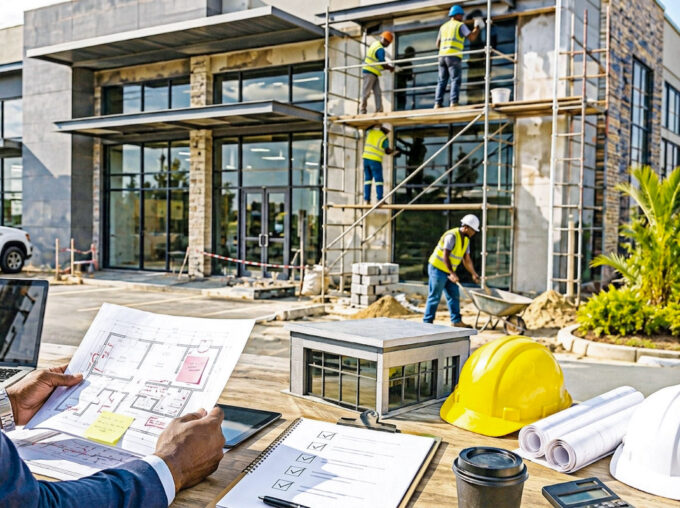
CEO: The phrase may sound like administrative jargon, but the Town Planning Scheme is the blueprint that shapes daily life, property rights and Mbabane’s physical future. It is the legal framework and map the council uses to guide how land and buildings are developed.
The scheme sets:
Zoning: Which areas are for homes, businesses, industry, green space or other uses.
Land-use rights: What may legally be done on a particular plot.
Development standards: Requirements for building heights, boundaries, density, parking and site coverage.
In other words, it helps determine what can be built and where. A review is not just paperwork; it can affect property values, investment opportunities and quality of life. The scheme influences what may be built near your home and helps balance neighbourhood character with commercial growth. It also addresses traffic, green spaces, pedestrian routes and noise.
For businesses, an updated scheme can reduce red tape and support flexible land use, mixed-use development and job creation. It can also better account for climate resilience, digital connectivity, renewable energy and settlement upgrading.
The scheme shapes how our city grows and functions. Reviewing it helps determine what Mbabane will look and feel like in the years ahead, which is why residents’ awareness and input matter. It is also an opportunity to make sure that the rules reflect how the city is changing. An outdated scheme may not adequately support climate-resilient infrastructure, digital connectivity, renewable energy or sustainable settlement upgrading. A modern framework can give residents, property owners and investors clearer direction while helping the council manage growth in the public interest.
TIMES: What issues and ideas do you expect residents to raise during consultations?
CEO: Residents bring the discussion down to their everyday experience of living and working in the city.
Common consultation
topics include:
Neighbourhood character and commercial growth: Residents may be concerned about businesses, offices or student housing entering quiet residential areas without adequate parking or buffer zones. Others may want more flexible zoning to make better use of their property.
Traffic, congestion and parking: People raise bottlenecks, ask for safer pedestrian routes and traffic-calming measures, and discuss parking in commercial and mixed-use areas.
Parks and open space: Communities want parks, children’s play areas and open spaces protected as the city grows.
Infrastructure and resilience: Residents may highlight drainage, flood risks on particular plots, access to waste collection and the reliability of services connected to new developments. These issues show how planning rules depend on the infrastructure needed to make development work.
Approvals and business opportunities: Entrepreneurs and developers often call for transparent, streamlined approvals so outdated restrictions do not delay investment and job creation. Consultations can also reveal opportunities for mixed-use development and small businesses, as well as safeguards needed to protect homes and shared spaces.
The aim is to hear both the pressures people experience and the kinds of growth they want to see.
Official launch of
Eswatini Urban Forum 2026
TIMES: October is a big month, with Urban October and World Cities Day coming up. What can people expect and what conversations should they be having about the city’s future?
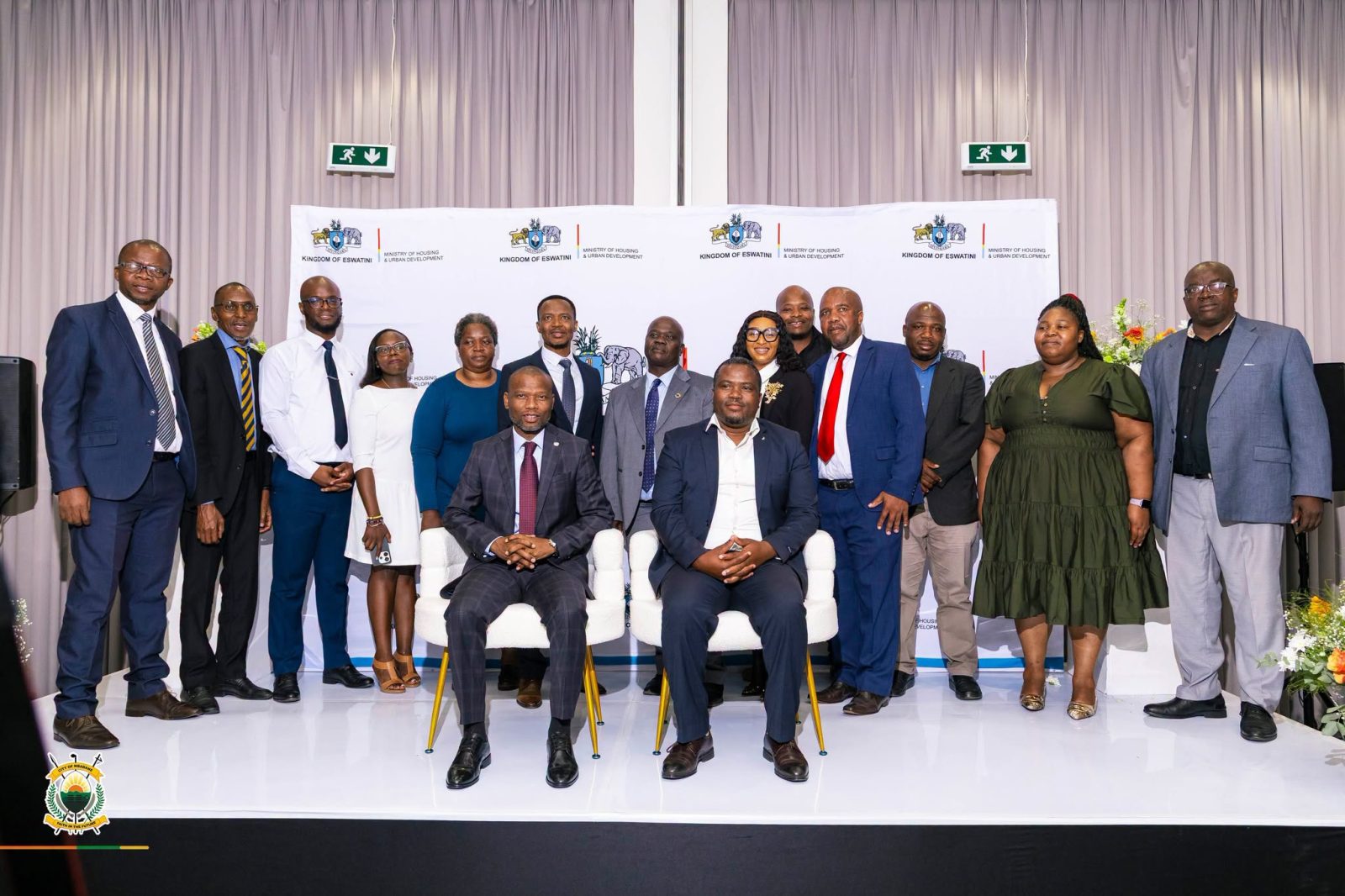
CEO: October will set the stage for a defining moment for local Government in Eswatini: The Eswatini Urban Forum, from October 28 to 30, under the theme ‘Empowering Eswatini’s Local Authorities: Financing, Smart Solutions, Resilient Infrastructure and Housing for All.’ The Forum was launched by the Minister for Housing and Urban Development .
The focus will be on moving from plans to action. Policymakers, municipal leaders, traditional authorities, development partners and private-sector innovators will discuss practical approaches to municipal financing, green infrastructure, smart-city technology and informal settlement upgrading. We want the forum to look at frameworks that can be applied, rather than stopping at theoretical blueprints. This includes considering how local authorities can mobilise resources, deliver resilient infrastructure and work with partners to improve housing and services.
We want the conversations to move beyond routine complaints and focus on practical solutions. Four important questions are:
How do we finance growth? We need to discuss sustainable revenue, public-private partnerships and other funding models so local authorities are not continually constrained by traditional financing bottlenecks.
What would a ‘Smart Mbabane’ mean for residents? Digital transformation could improve traffic and waste management, make services faster and support fairer, more transparent processes.
How do we build climate resilience? Residents and developers need to consider stormwater management, protection of green spaces and sustainable building, while retaining Mbabane’s distinctive mountain setting.
How do we provide housing with dignity? Growth should not leave people behind. Affordable social housing and informal settlement upgrading should help every urban resident have a secure, dignified place to live.
Urban October 2026 is an invitation to help future-proof Mbabane. The city’s future is being shaped now and residents’ voices are essential.
TIMES: Can residents, businesses and young people get involved?
CEO: Absolutely. A city cannot transform successfully without the participation of the people who live and work in it.
There are practical ways for each group to get involved:
Residents and communities: Attend public consultations, including those on the Town Planning Scheme review; submit written comments; and share views on zoning, green spaces and development. At town halls, explain what is working in your neighbourhood and what needs attention, including land use, nearby development, public spaces and the character you want your area to retain. Residents can also take part in Urban October events. Registration for the Eswatini Urban Forum opens on Monday, September 28, and we want citizens to attend and speak about matters that affect daily life. Communities can partner with the municipality on clean-ups, neighbourhood watch programmes and green-economy projects. A resilient city begins at street level.
Businesses and the private sector: Work with municipalities through public-private partnerships (PPPs) in smart technology, waste management and infrastructure. Municipalities cannot close the resource gap alone, so collaboration with private innovators, investors and corporate partners matters. Businesses can exhibit or sponsor at the Eswatini Urban Forum, showcasing green innovations, digital services and sustainable products. Stakeholder sessions are also a place to explain where red tape slows growth so policies can better support investment, jobs and entrepreneurship.
Young people and entrepreneurs: Contribute ideas on technology, local economic development and urban life, and use micro-grants, mentorship and support programmes, including those run with the Youth Enterprise Revolving Fund. The forum explicitly focuses on youth empowerment and Local Economic Development (LED). We want young tech developers, entrepreneurs and creatives challenging traditional approaches. Young people can help shape mobility, e-governance and sustainable urban living and build ventures that respond to local needs.
The message is simple: Mbabane’s future belongs to all of us. Whether you are a homeowner wanting to protect your neighbourhood’s character, a business owner looking to invest or a young innovator ready to build the next big solution; your voice, your ideas and your energy are needed.
TIMES: If we sat down with you again a year from now, what would you hope had changed in Mbabane?
CEO: If we were to sit down together right here a year from now, in September 2027, I would love to look back and say that Mbabane has truly transitioned from talking about change to living it.
Here is what I hope we can celebrate:
A future-proof town planning scheme: I’d love to report that our updated planning scheme is fully in action, one that successfully protects our beautiful green neighbourhoods while cutting red tape, welcoming smart mixed-use developments and making it easier for local entrepreneurs to invest and create jobs.
Tangible progress on informal settlements upgrading: I want to celebrate real, visible strides in proactive informal settlement upgrading and inclusive housing solutions, proving that as Mbabane grows, we are lifting our vulnerable communities up with dignity rather than leaving anyone behind.
A smarter, cleaner, more responsive city: I hope to share that digital transformation is no longer a buzzword, but a daily reality, whether through streamlined municipal services, smarter waste management or young innovators actively running tech-driven solutions right here in our local economy.
A deeply engaged citizenry: Above all, I want to say that the spirit of the Eswatini Urban Forum didn’t end in October 2026 but ignited a permanent culture of partnership. I want to look back and say that residents, businesses, traditional leaders and the Council built this city’s success together.
One year from now, I want Mbabane to stand out not just as the administrative capital of Eswatini, but as a shining example of what happens when a city decides to be bold, inclusive and fiercely committed to its future.














Leave a comment