

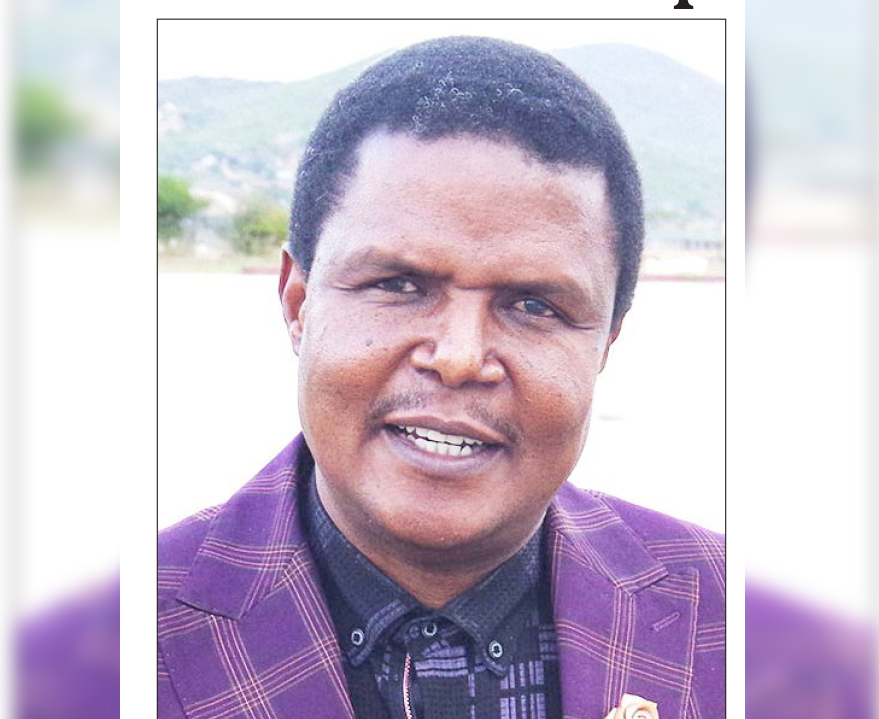
MANZINI – Just three months after the death of Faith Christian Fellowship Church Founder Apostle Jeremiah Dlamini, the church has been plunged into a dispute that has divided its brethren over his two wives.
The other issue is, who should occupy the position traditionally associated with the pastor’s wife. The dispute came before Magistrate Thamsanqa Ndlovu at the Manzini Magistrates Court yesterday. Members of the church admitted that the disagreement had resulted in factions. They said some members are supporting Dlamini’s first wife, LaShongwe, while others back his second wife, Nolwazi Kunene. Dlamini died in July after several days in hospital. His death was confirmed by Kunene, who was identified as his second wife. Public reports also state that Dlamini married Kunene under Swazi Law and Custom in 2012, after a period during which their relationship had attracted criticism. The dispute now centres on the position and role of the two women within the church’s structures following the apostle’s death.
During the proceedings, it emerged that some members had opposed Dlamini’s marriage to Kunene and had allegedly become angry over the union at the time.
Those members have reportedly now resurfaced, according to the church members who addressed the court. They argued that Kunene should not automatically occupy the position associated with the pastor’s wife within the church structures. However, other members maintained that they had worked alongside Dlamini and Kunene and had no problems with their ministry, saying the church had continued operating well during their time together.
The members further told the court that the dispute had already affected the functioning of the church, with the Manzini branch reportedly among those most affected. They also claimed that they had observed an increase in the number of congregants following the return of the first wife to the church.
According to the church members, the structure left by the late apostle was that disputes arising within the church should first be discussed by church leaders, who would then make a decision. It was on this basis that Magistrate Ndlovu questioned why the matter had already reached court, suggesting that the dispute was prematurely before court and should have first been addressed within the church. The magistrate asked whether the church could restore its previous structure and operations while the dispute was being resolved.
The response was that this could prove difficult because some members had already become directly involved in the dispute, making it challenging to simply return to the situation that existed before Dlamini’s death.
The court also heard that senior pastors should engage one another on a way forward. Magistrate Ndlovu proposed that assistance be sought from church mother bodies, including the League of Churches and the Conference of Churches, to help mediate the dispute. The parties agreed that six representatives from each faction would participate in discussions aimed at resolving the differences. They requested three months to engage each other and return to court with a report on their progress.
The court heard that the late apostle had reportedly been deeply affected by disputes within the church towards the end of his life, with members saying his attention had increasingly been drawn to disagreements when it should have been focused on his ministry.
The parties agreed that the church should continue operating as it did before the dispute while efforts were made to resolve the differences.
The matter is expected to return before Magistrate Ndlovu on January 11, 2027, when the parties are expected to report on the outcome of their internal discussions.












Leave a comment