

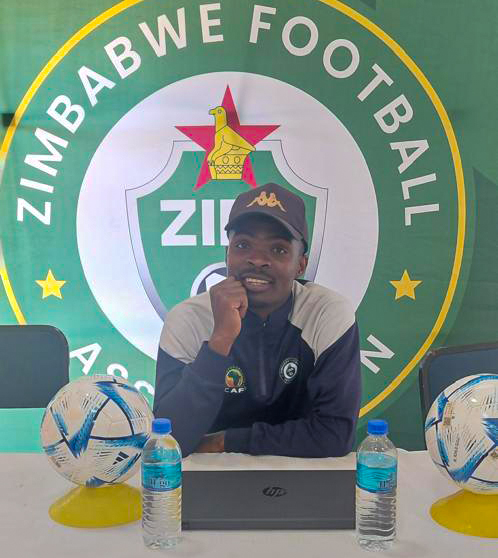
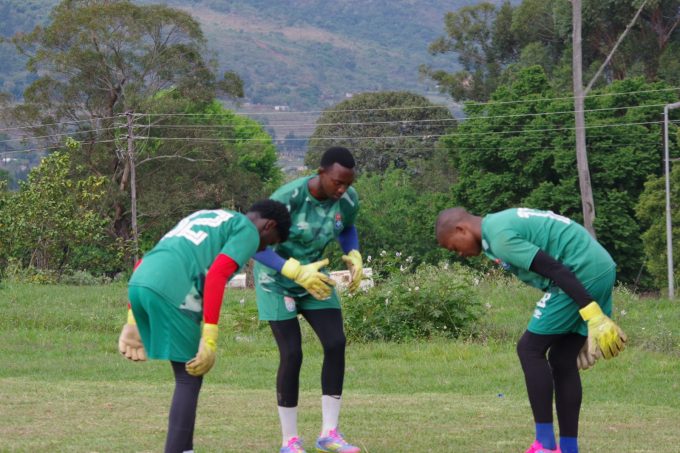
MBABANE- LiSwati Coach Bongiswa Dlamini has completed a CAF B Coaching Licence Course in Zimbabwe after spending about E23 000 on his qualification.
Dlamini was among 25 candidates, who began training at the Zimbabwe Football Association (ZIFA) Village in Mt Hampden on June 4, making him one of three foreign participants in the programme.
The other two foreigners were Botswana’s Tony Semurola and Nigerian Obinna Osafar. The course was facilitated by ZIFA Technical Director Dominique Niyonzima and his predecessor Wilson Mutekede.
Dlamini’s decision to cross the border for the qualification came after Eswatini was unable to offer the Confederation of African Football (CAF) B Course because of the absence of an educator to conduct the programme.
This meant the coach had to personally finance his studies, with his total expenditure estimated at E23 000.
The achievement gives Dlamini an important qualification on Eswatini’s coaching ladder, with the CAF B Licence allowing coaches to work at the National First Division level, the country’s second-tier, while also opening the pathway to serve as an assistant coach in the MTN Premier League, subject to the applicable EFA licensing requirements.
The EFA’s coaching structure places CAF B above CAF C and requires candidates to have a CAF C qualification, at least two years’ youth coaching experience and a valid logbook.
Dlamini’s qualification also comes at a time when Eswatini coaches have increasingly had to look beyond the country for CAF coaching courses.
A Times of Eswatini report in July highlighted the shortage of local CAF courses and noted that Dlamini had travelled to Zimbabwe to pursue the CAF B qualification.
For Zimbabwe, Dlamini was part of a significant return of CAF B coaching education. The course was the country’s first CAF B programme in almost a decade, having last been staged there in 2017.
ZIFA subsequently described the programme as a five-module course designed to improve coaches’ technical, tactical, physical and organisational knowledge.
Dlamini’s achievement therefore represents both a personal investment in his coaching career and an example of the lengths local coaches are taking to acquire internationally-recognised qualifications.
The next step for the Eswatini coach will be to apply the knowledge gained in Zimbabwe to his coaching career in Eswatini.










Leave a comment