Madam,
When we speak about women’s rights in the workplace, our conversations often focus on women in offices, boardrooms and formal employment. We talk about equal opportunities, maternity leave, sexual harassment and the gender pay gap.
But there is another group of women whose struggles are often left outside these conversations: Domestic workers.
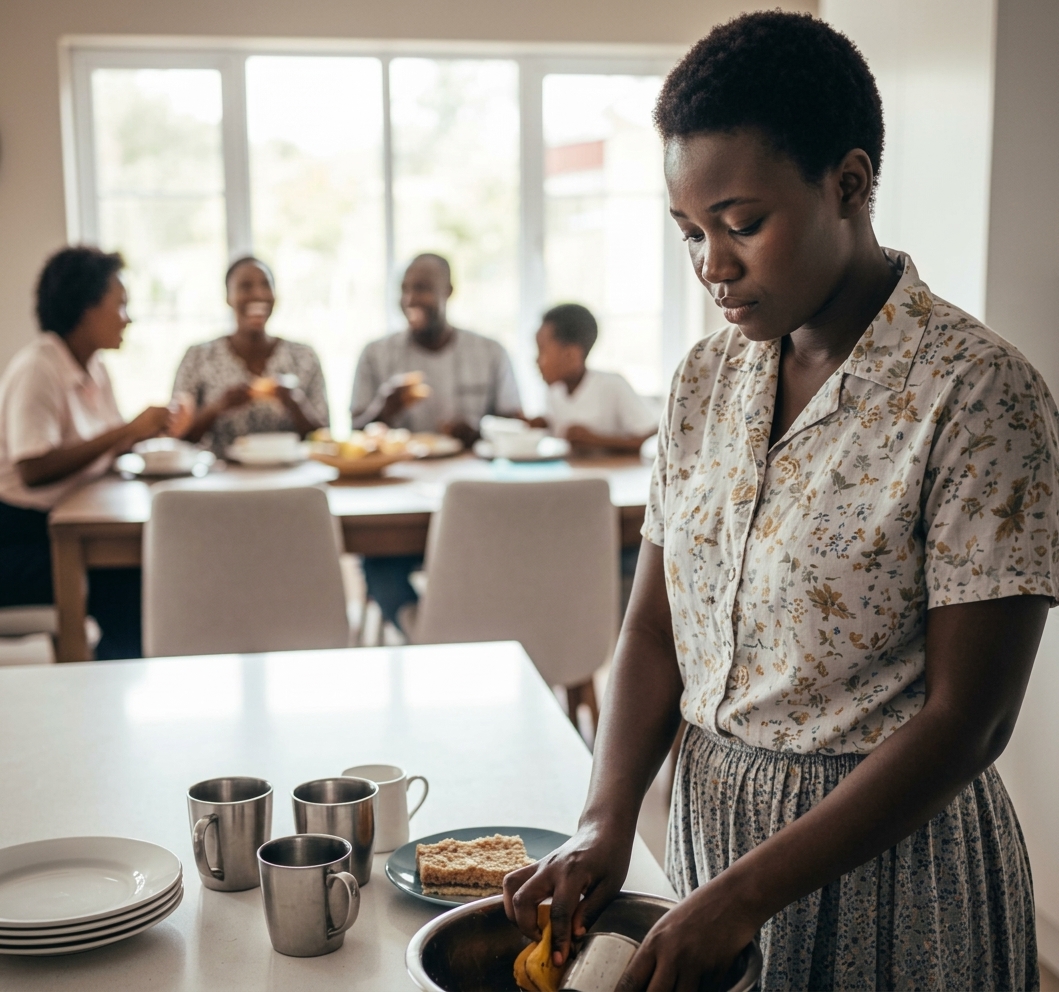
These are the women who wake up before everyone else, prepare meals, clean homes, wash clothes, care for children and sometimes look after elderly family members. Their work makes it possible for many other families, and particularly working women, to pursue careers and earn an income.
Yet the very women helping other households function are sometimes struggling to make their own households survive.
The 2026 discussions about domestic workers allegedly being manipulated and not receiving the wages gazetted for them should concern all of us. A gazetted minimum wage is not a suggestion. It is not an amount an employer can negotiate down simply because a worker is desperate for employment.
According to the 2024 wage order, the minimum monthly wage for house attendants, laundresses, children’s nurses, gardeners and herdsmen was E1 453.21. Cooks were set at E1 488.37, while caregivers and drivers were at E1 717.35. The 2026 wage adjustment provided a seven per cent increase at the base level for domestic employees.
These figures may not be enough to meet the rising cost of living, but they are the minimum prescribed for the relevant categories. If a worker is legally entitled to that amount, paying less should not be normalised.
The concern becomes even greater when we consider who these workers are. Many domestic workers are women and mothers. They leave their own children in the care of relatives while they care for somebody else’s children. They leave home early, often travelling long distances, to make sure another household is clean, fed and functioning.
Their work is real work. Their time has value.
Their labour has dignity.
Yet domestic workers can be particularly vulnerable because their workplace is a private home. Unlike an office where there may be colleagues, supervisors, human resources departments or other mechanisms for reporting problems, a domestic worker can find herself alone with her employer.
This creates an imbalance of power.
A worker who depends on her monthly salary may be afraid to question an employer about wages, working hours or treatment because she fears losing her job. This is where manipulation can easily take place. A worker may know that she is being underpaid but remain silent because unemployment may be even more frightening.
We must therefore stop treating domestic work as an informal favour between two individuals. Domestic work is employment, and the rights attached to employment must be respected.
There are also concerns about working hours and excessive duties. One domestic worker can be expected to clean the entire house, cook, wash, iron, care for children, look after elderly people and perform other household tasks, all for one salary.
This is not sustainable.
Employers must be realistic about the responsibilities given to domestic workers. If the workload increases significantly, remuneration should reflect that workload. A worker cannot reasonably be expected to perform the duties of a cleaner, nanny, cook, gardener and caregiver while receiving the lowest possible wage.
At the same time, domestic workers themselves need greater awareness of their rights. Government, labour authorities and civil society organisations should intensify public education so that workers know what they are entitled to and where they can report non-compliance or abuse.
Enforcement is equally important. There is little value in having regulations in the Government Gazette if workers continue to be denied what those regulations provide.
Employers should also remember that paying a domestic worker fairly is not charity. It is not generosity. It is an obligation arising from the employment relationship.
We cannot claim to be serious about women’s empowerment while ignoring the women working behind the closed doors of our homes.
Gender equality cannot only be about helping women climb corporate ladders while another group of women remains at the bottom, cleaning those very homes and offices.
These women are mothers, breadwinners and members of our communities. They deserve to be treated with respect, paid according to the law and protected from exploitation.
Let us, therefore, move beyond conversations about women’s rights and put those principles into practice. Because when a woman works for a living, she should not have to beg for the money she has already earned.
Anonymous