

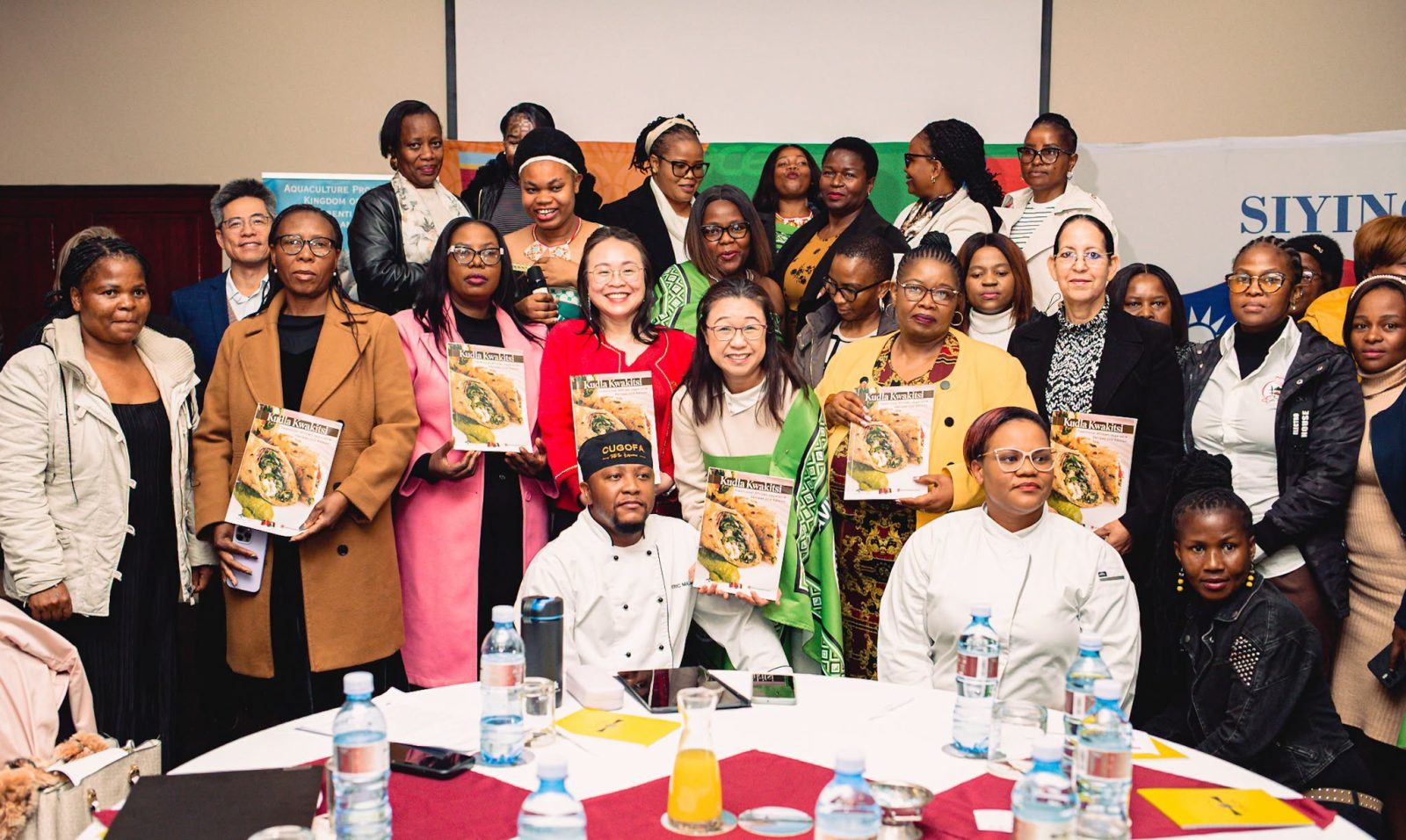
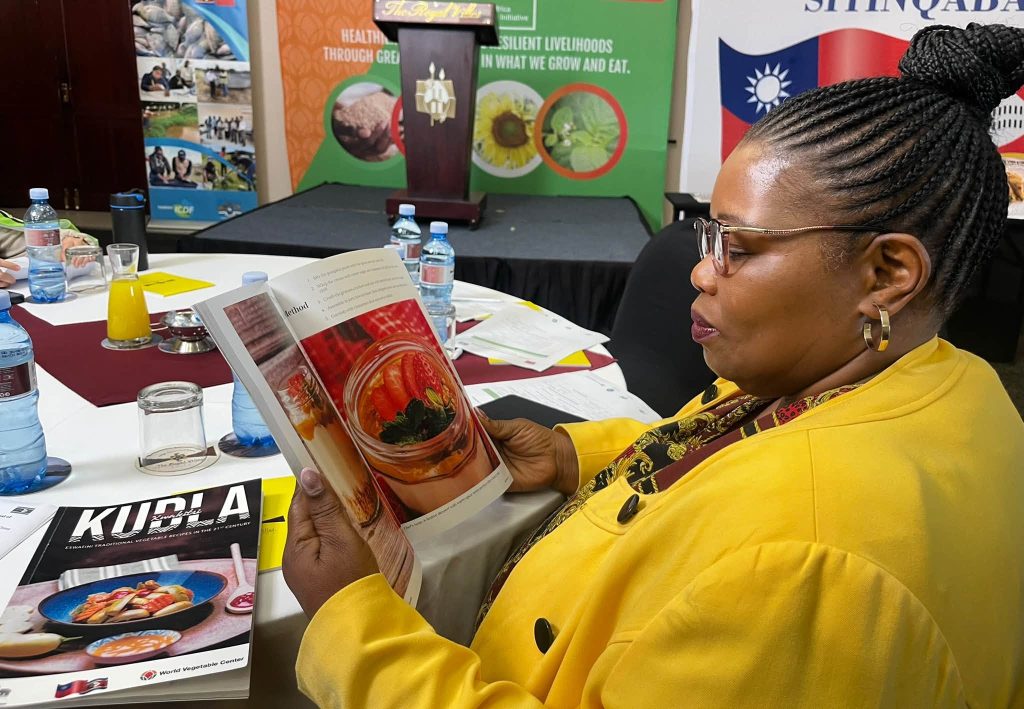
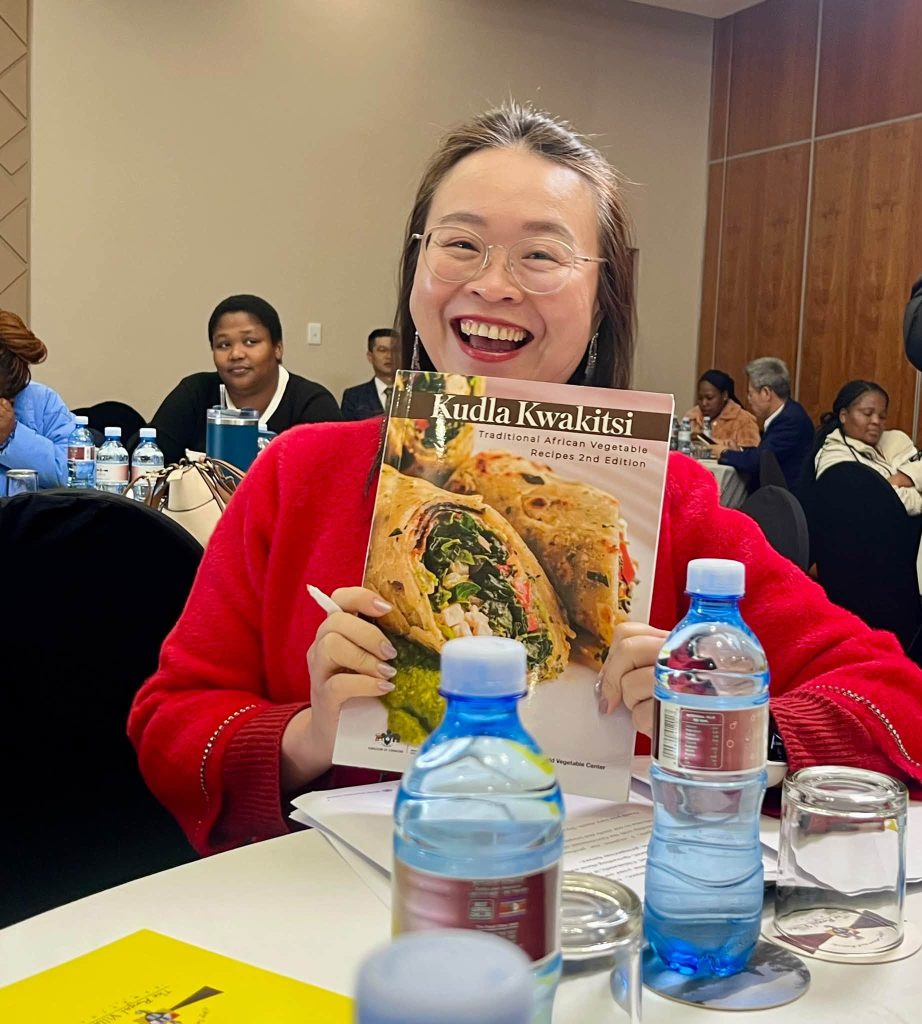
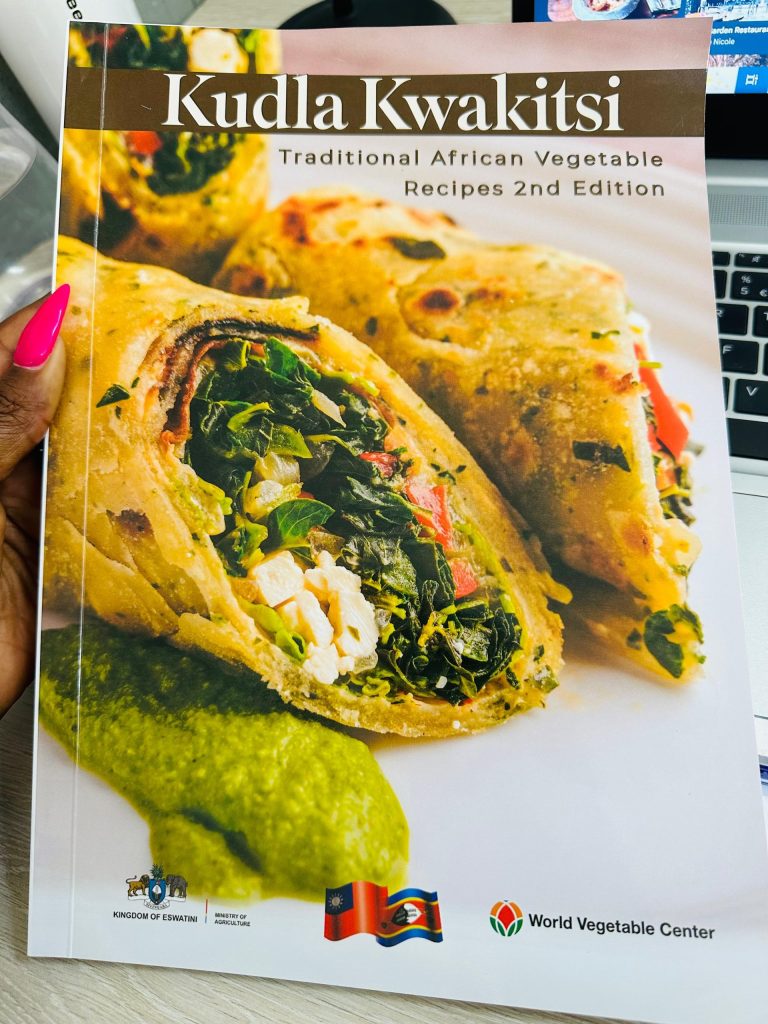
Eswatini’s rich culinary heritage took centre stage as the second edition of the Kudla Kwakitsi Recipe Book was launched at Royal Villas in Ezulwini on Wednesday.
The new edition celebrates traditional African vegetables and shows how these locally grown ingredients can be transformed into exciting, nutritious dishes for both homes and professional kitchens.
Supported by the Taiwan–Africa Vegetable Initiative (TAVI) Phase II and the World Vegetable Centre, the recipe book seeks to inspire more people to put vegetables at the centre of their plates while creating stronger markets for local farmers.
The launch brought together chefs, farmers, vegetable experts, representatives from the World Vegetable Centre, the Embassy of the Republic of China (Taiwan) and the Ministry of Agriculture.
The collaboration highlights the important link between the people who grow food and those who prepare it, with chefs playing a key role in demonstrating the versatility of traditional African vegetables.
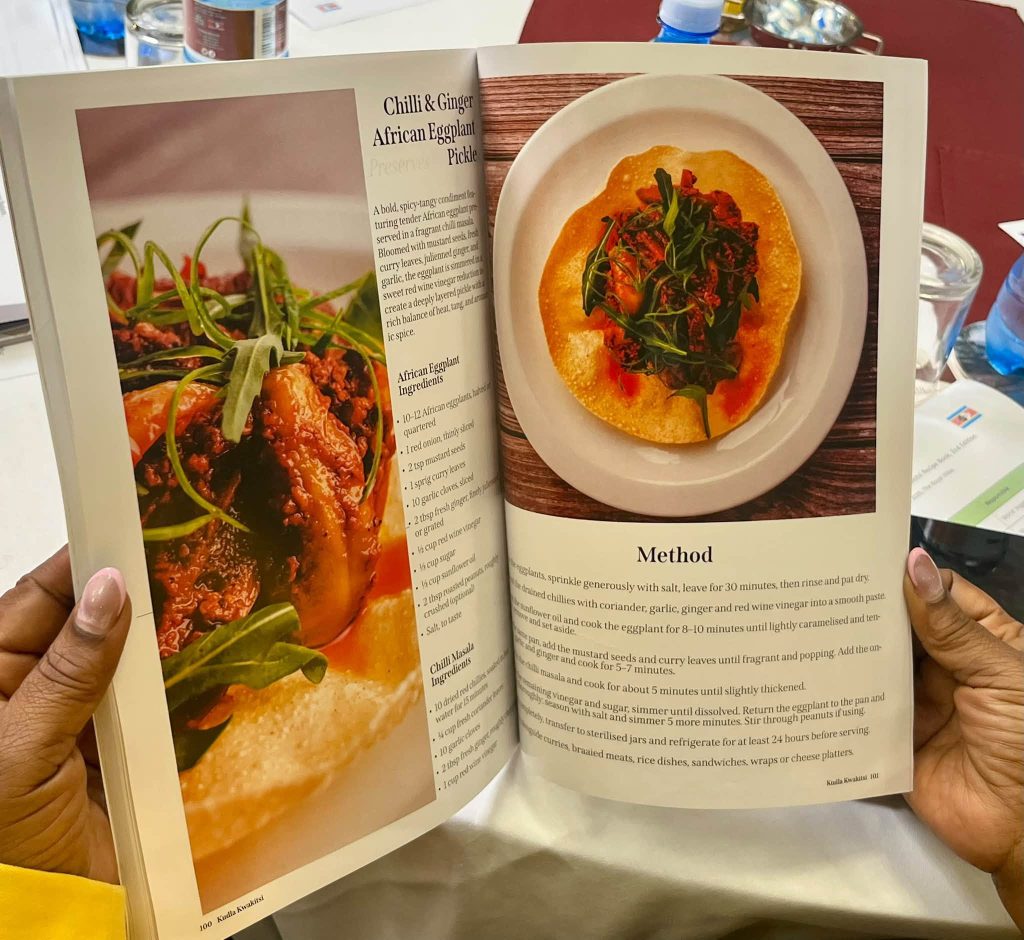
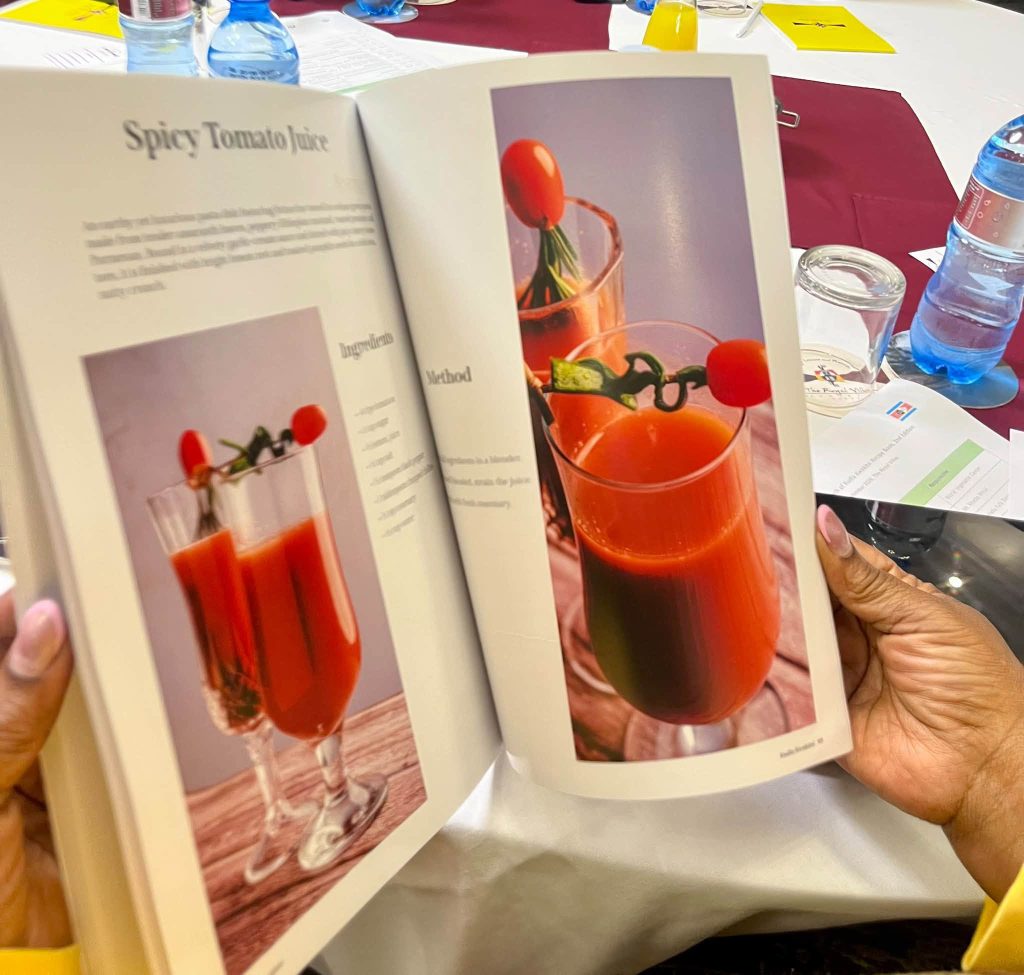
From leafy greens and indigenous vegetables to other locally available produce, the recipe book provides practical ideas for turning familiar ingredients into appealing meals.
For farmers, increased demand for traditional vegetables can open new opportunities to supply households, restaurants, hotels and other hospitality establishments. For consumers, it offers fresh inspiration on how to enjoy nutritious local produce in creative ways.
The initiative also forms part of broader efforts to strengthen nutrition, livelihoods and climate-resilient food systems through collaboration between Taiwan and Eswatini. The launch emphasised that healthy and delicious food does not always require imported or unfamiliar ingredients. Many of the ingredients needed to create wholesome meals are already grown locally and form part of Eswatini’s food heritage.
With chefs bringing creativity to the kitchen and farmers supplying the produce, Kudla Kwakitsi continues to build a bridge between the farm and the table.
The second edition therefore serves not only as a collection of recipes, but as a celebration of local food, culture and the people who keep Eswatini’s food traditions alive.



















Leave a comment