

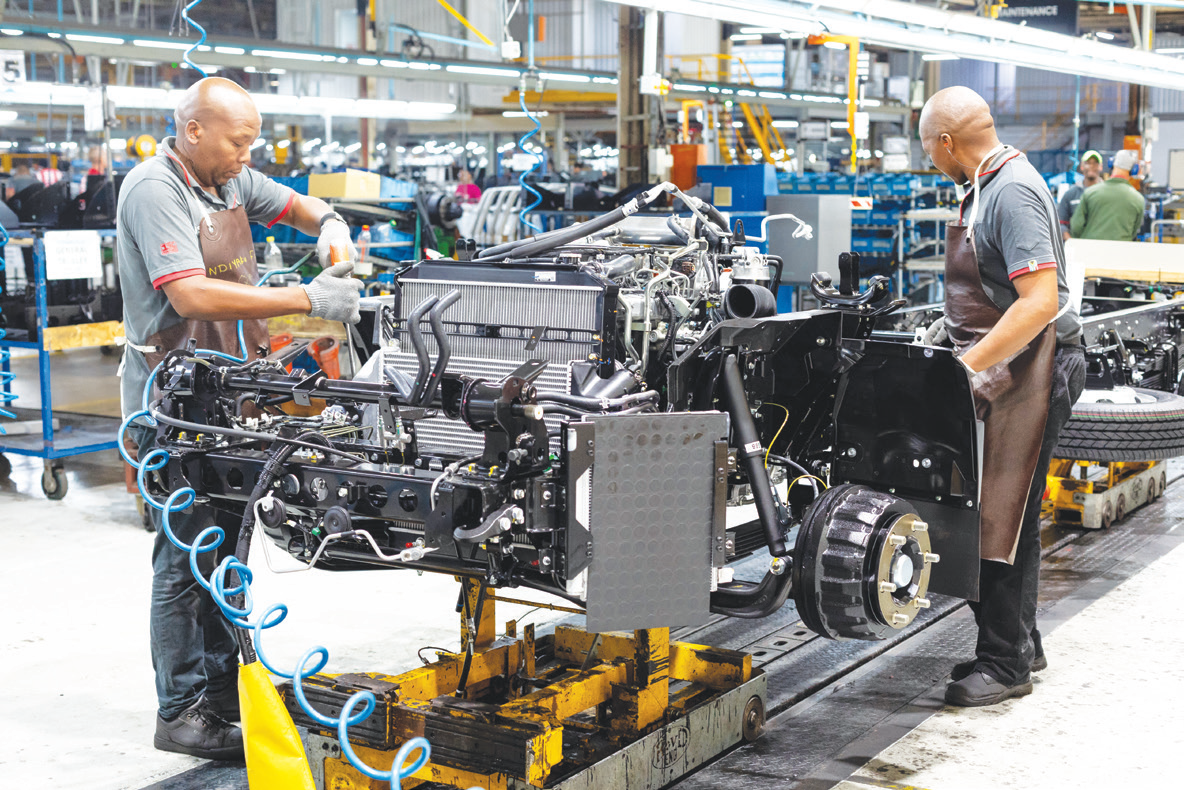
Isuzu Motors South Africa (IMSAf) is putting close to R30 million into its commercial vehicle assembly plant in Gqeberha, with the investment aimed at making production more efficient, safer and better prepared for the future.
The investment focuses on upgrading key areas of the plant, improving quality and digital tracking, strengthening employee safety and supporting more sustainable manufacturing.
For customers, the changes are expected to help Isuzu maintain efficient and consistent production as commercial vehicle requirements continue to evolve across South Africa and the wider African market.
STRENGTHENING THE PRODUCTION LINE
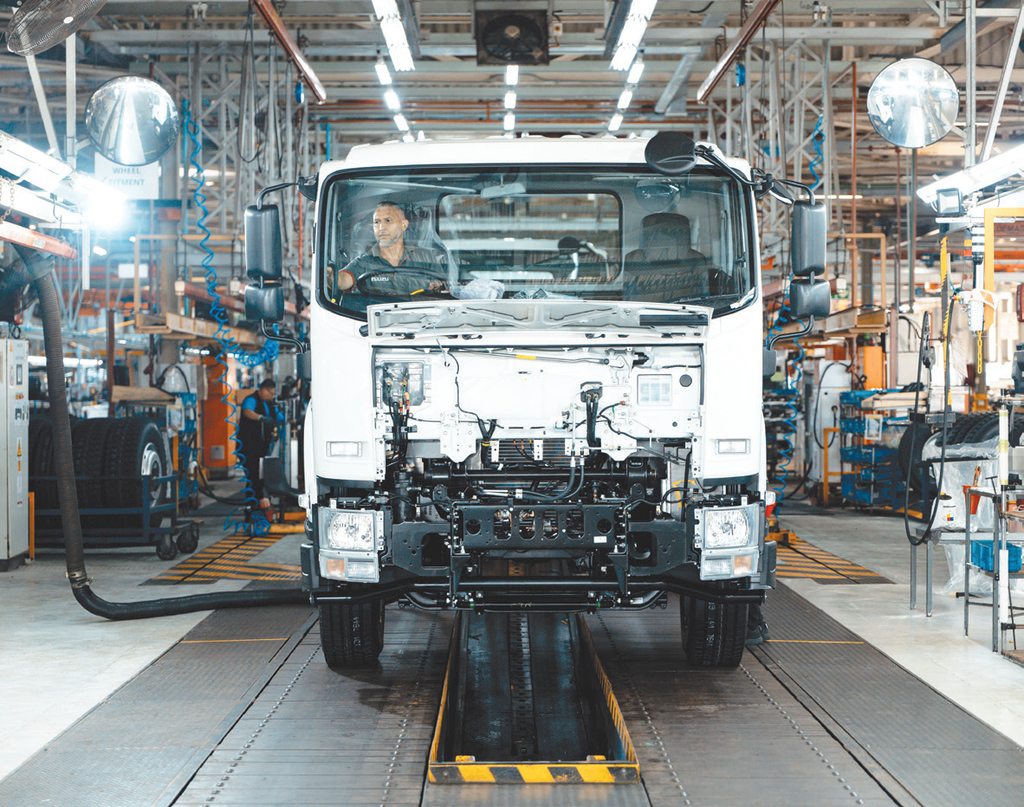
A major part of the investment has gone into the plant’s chassis and engine sub-assembly areas, as well as the cab marriage operation where the cab is joined to the vehicle.
The extended chassis line allows the plant to accommodate additional production stations, while updated tooling and improved layouts give it greater flexibility to produce different commercial vehicle applications.
The upgrades are designed to increase the plant’s ability to manufacture vehicles efficiently while allowing it to respond to changing market requirements.
“This investment is about more than preparing our plant for a new generation of trucks.
It reflects our long-term vision for manufacturing in South Africa and our confidence in the country’s people, industrial capability and potential,” said Johan Vermeulen, Executive Vice President: Manufacturing and Product Engineering at Isuzu Motors South Africa. “By continuing to invest in our Gqeberha operations, we are strengthening the capability and capacity needed to remain competitive and respond to the evolving mobility needs of customers across Africa.”
BETTER QUALITY AND TRACKING
The investment also brings technology and production improvements aimed at improving efficiency and maintaining consistent build quality.
Improved tooling and production processes, together with digital traceability, will give Isuzu greater visibility throughout the manufacturing process.
This allows the company to strengthen quality control while improving the efficiency of its production operations and maintaining ISUZU’s build standards.
A SAFER WORKPLACE
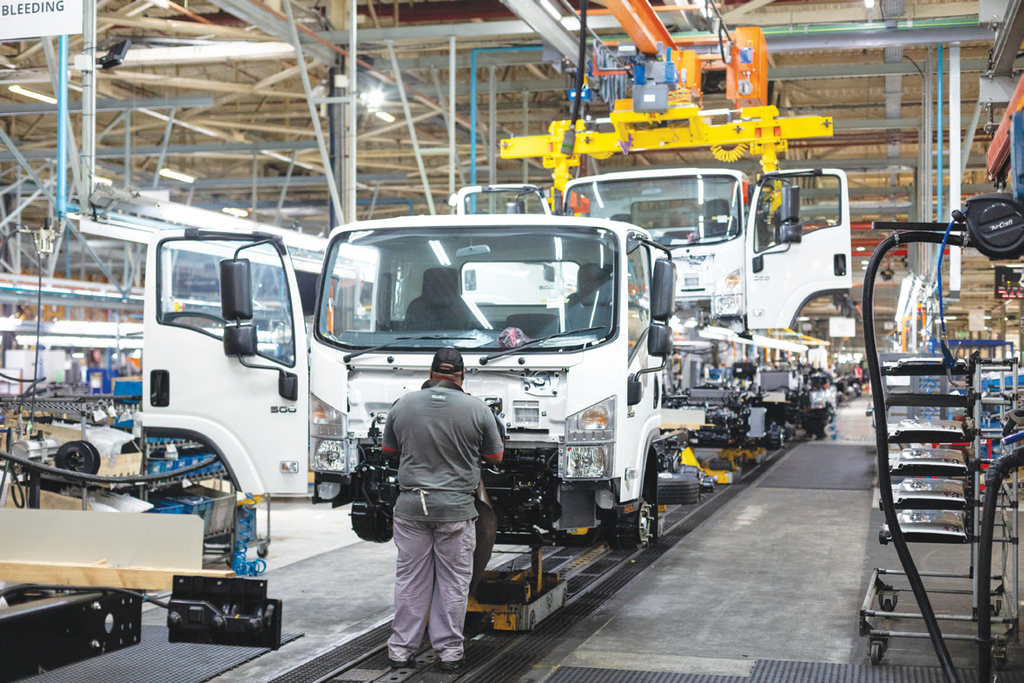
The upgrades are not only about vehicles and machinery. Employee safety and ergonomics have also been placed at the centre of the improvements.
Equipment such as a fuel-tank gripper, lift-assist devices, a cab-marriage hoist and electronic torque tools has been introduced to reduce physical strain on employees.
The engine-dress process has also been improved, while workstation design, lighting and workflow have been considered as part of the upgrades.
The aim is to create working conditions that are safer and more efficient for employees on the assembly line.
MOVING TOWARDS GREENER PRODUCTION
Energy efficiency has also been considered in the investment. The plant has introduced energy-efficient tools and motors, alongside improved equipment and production workflows designed to make better use of resources.
According to IMSAf, these changes form part of its broader effort to reduce the environmental impact of its manufacturing operations while improving efficiency.
PREPARING FOR THE FUTURE
The investment also positions the Gqeberha plant to respond to changing commercial vehicle technologies.
Employees and cross-functional engineering teams were involved in implementing the upgrades, bringing together manufacturing expertise, technology and continuous improvement.
For Isuzu, the R30 million investment is, therefore, not simply about upgrading existing equipment. It is about building a manufacturing operation capable of supporting the company’s long-term growth and remaining competitive as the commercial vehicle industry changes.
The upgrades further strengthen the role of the Gqeberha facility in supporting South Africa’s automotive manufacturing sector and Isuzu’s ambitions across the African market.

















Leave a comment