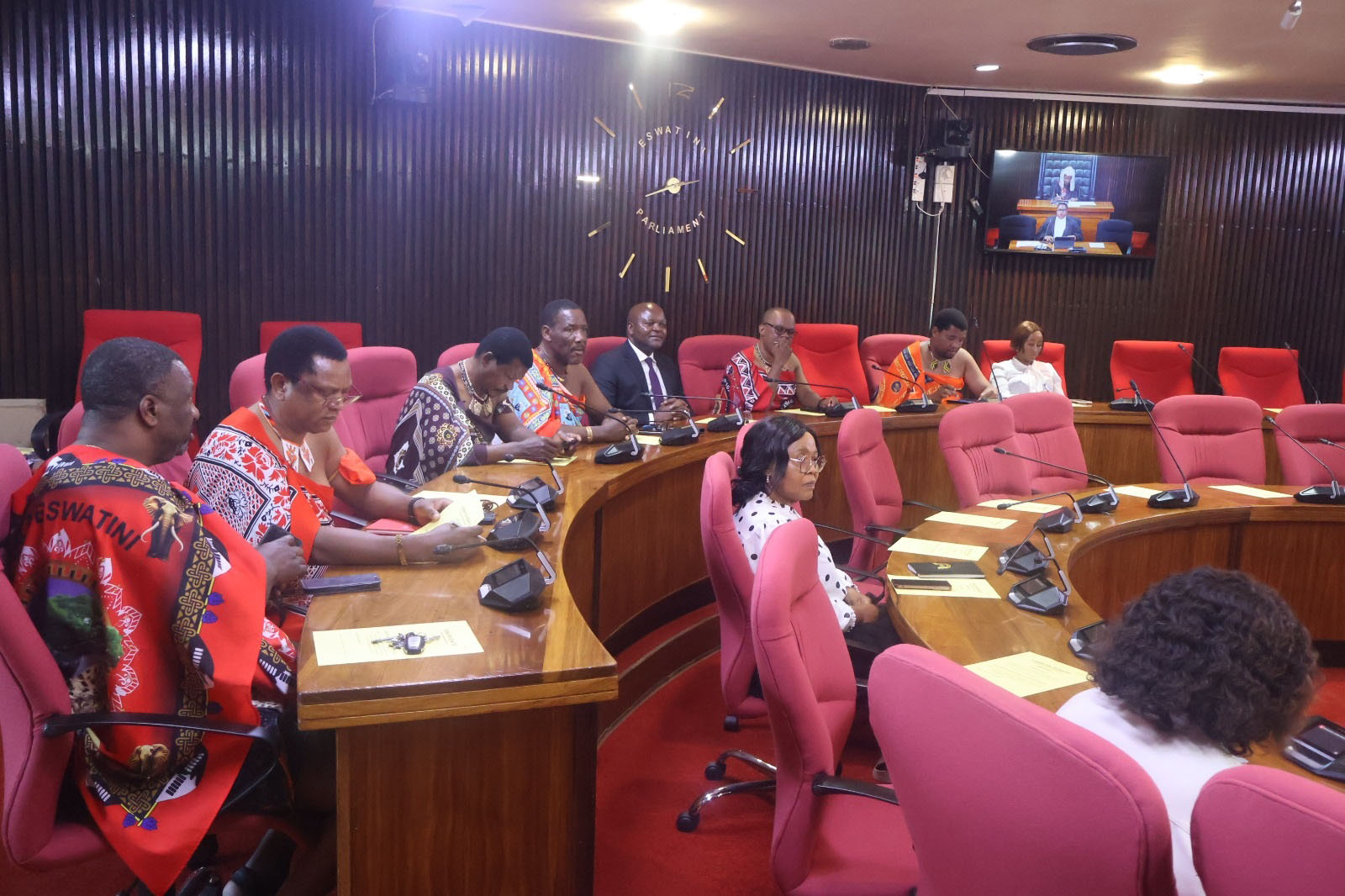
LOBAMBA – Senators have challenged government to find a lasting solution to the recurring public transport fare increases.
They warned that commuters could face another round of hikes if international fuel prices continue to rise.
The concern emerged yesterday as the Senate debated and passed the proposed 25 per cent increase in short-distance bus and taxi fares, with members questioning how often Parliament would be expected to approve adjustments whenever fuel prices increased.
While supporting the latest adjustment, senators called for government to intervene in the public transport sector, with proposals ranging from establishing a common fare structure that could cushion operators for the remainder of the year to creating an umbrella company through which operators could share revenue.
A concern was also raised that the ever-increasing hikes could lead to a higher rate of mental and suicide cases.
The debate took place during consideration and adoption of the Maximum Bus and Taxi Fares (Amendment) Regulations, 2022, in terms of Section 253(3) of the Constitution of 2005.
Senators argued that approving another fare increase without a sustainable plan would leave commuters vulnerable to repeated adjustments, particularly as international conflicts and disruptions to oil supplies continue to threaten fuel price stability.
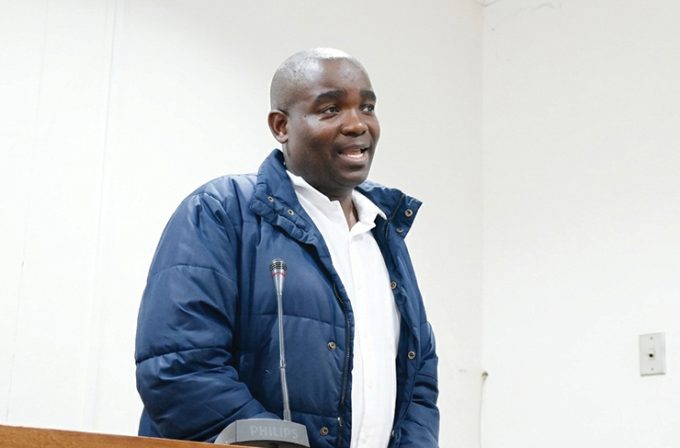
Senator Princess Ncengencenge questioned whether government engaged public transport operators to develop a plan that would prevent the sector from returning to Parliament every time fuel prices increased.
She warned that the latest 25 per cent adjustment could soon prove insufficient if fuel prices rise again, potentially forcing lawmakers to consider another amendment to the regulations within weeks.
“How many times will we come here to discuss fuel increases and adjustments to the regulations?” she asked.
The princess called on government to sit down with operators and agree on a common fare that would cushion the sector for the remainder of the year, taking into account the possibility of further fuel price increases.
She said the arrangement should provide operators with sufficient certainty to continue offering services without repeatedly seeking higher fares, while protecting commuters from an endless cycle of increases.
The senator warned that if operating costs continued rising without a sustainable solution, some operators could reduce the number of buses and kombis on the roads, leaving passengers stranded and worsening congestion.
She also highlighted the broader economic consequences of rising transport costs, noting that public transport is essential to workers, businesses and people travelling to hospitals.
Princess Ncengencenge said the pressure on commuters was particularly concerning because salaries had not increased in line with the rising cost of living.
She cautioned that repeated fare increases could worsen the financial distress experienced by households.
She further stressed that the public transport sector required careful management, recalling that disruptions in the industry could bring normal activities to a standstill.
Senator Chief Sigombeni, who supported the proposed adjustment, also questioned how often Parliament would have to revisit the regulations as fuel prices continue to fluctuate.
He referred to remarks made by the United States President Donald Trump, who stated at the United Nations General Assembly that global oil prices would ‘come plummeting down’ lower than their pre-conflict levels if nations united to enforce the complete economic isolation of Iran.
Chief Sigombeni said whatever the meaning, the remarks by the US President reinforced the need for government to anticipate further fuel price pressures rather than respond to each increase as it occurred.
The chief called on government to develop a plan that would provide a more sustainable way of managing the sector.
Meanwhile, Senator Lorraine Nxumalo questioned what government was doing to reduce public transport costs for emaSwati and called for greater consideration of the possibility of government operating public transport services, particularly on long-distance routes.
She observed that in some countries, public transport is run by government, an arrangement she said could help ease traffic congestion and reduce accidents.
Nxumalo also questioned the cost of travelling on longer routes, singling out the Manzini–Mananga route as particularly expensive compared with other destinations.
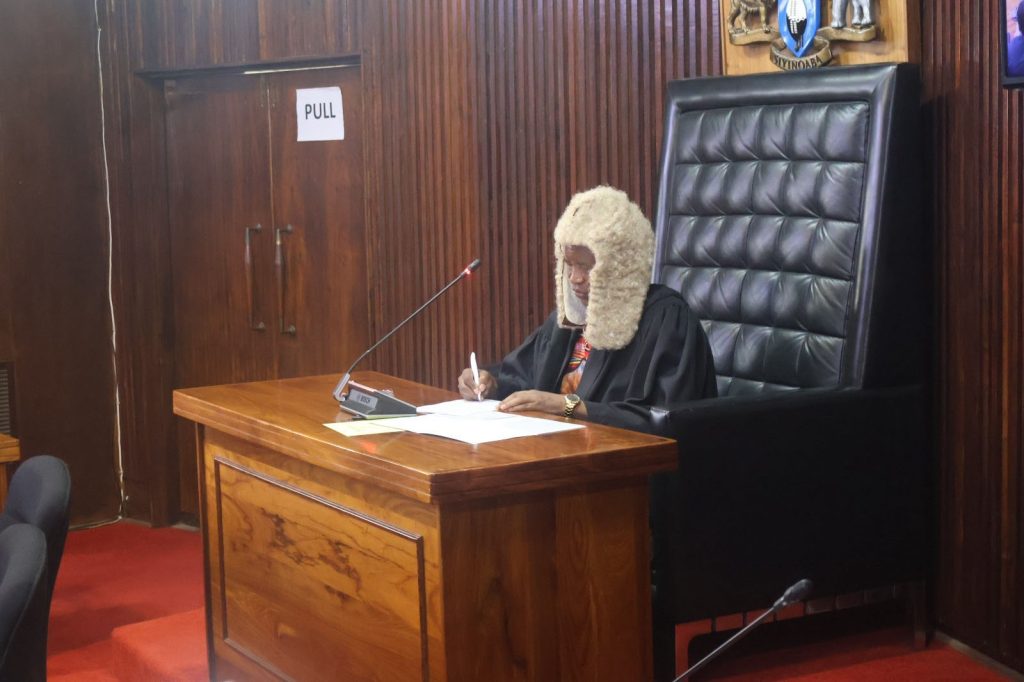
She further sought clarity on the earnings of bus drivers and conductors, arguing that any intervention in the sector should also address the welfare of employees.
Senator Stukie Motsa, the mover of the motion, acknowledged the concerns raised during the debate, including questions about the measures government intended to introduce to assist operators.
She said discussions held during a workshop had considered the proposed increase, although there were concerns that it would not provide a lasting solution to the challenges facing the industry.
Motsa said government would engage public transport operators to establish how they could be assisted in forming single companies and working collectively rather than operating individually.
The proposed arrangement would allow operators to pool resources and share profits, potentially improving the sustainability of their businesses.
“We all can see that the increase is killing the public transport operators,” she said.
The proposal for operators to work under a common business structure emerged as one possible intervention in a sector increasingly squeezed by fuel costs and other operating expenses.
However, the proposed engagement would need to establish how such a model would operate, how revenue would be distributed and how commuters’ interests would be protected.
Meanwhile, the regulations have already been passed by Members of Parliament (MPs) and they will see commuters pay 25 per cent more for the first eight kilometres, while longer journeys could increase by 10 per cent.
The fare for the first eight kilometres would rise from E10 to E12.50, while trips exceeding eight kilometres but not more than 50 kilometres would increase from E0.70 to E0.77 per kilometre.
For trips exceeding 50 kilometres, the proposed rate would rise from E0.66 to E0.726 per kilometre.
Despite passing the regulations, MPs raised serious concerns and accused officials in the Ministry of Public Works and Transport and some operators of manipulating permits, facilitating over-trading and frustrating people seeking to participate in the industry.
The MPs said the problem was not only about public transport operators but also involved the manner in which permits were administered.
They linked the alleged manipulation of permits directly to the problem of over-trading, saying too many operators were now competing in an industry that was becoming increasingly difficult to sustain.
The MPs said the transport business remained viable, but identified over-trading and the alleged renting out of permits as two major problems threatening the sector.
They said the ministry needed to be deliberate in dealing with both issues because resolving them could restore the viability of the industry.
Also, the MPs further alleged that some ministry officers were themselves involved in illegally renting out permits and questioned why certain individuals appeared to be untouchable.
In reaction, Minister for Public Works and Transport, Chief Ndlaluhlaza Ndwandwe acknowledged that government had a responsibility to protect emaSwati because the public transport sector had deliberately been structured to provide economic opportunities for them.
Ndwandwe explained that in many countries, public transport was either operated by government or government played a much larger role, while Eswatini had chosen a model in which emaSwati could own and operate public transport businesses.
He said if the system was now experiencing problems, solutions had to be found rather than allowing the situation to deteriorate.