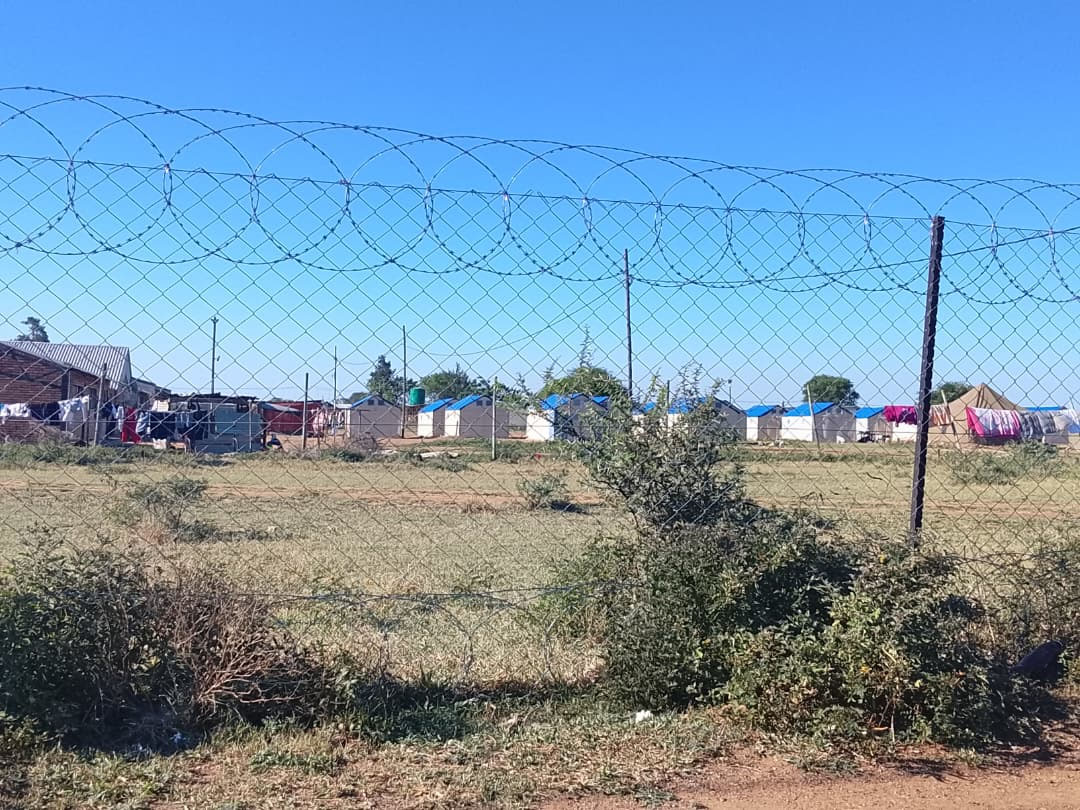
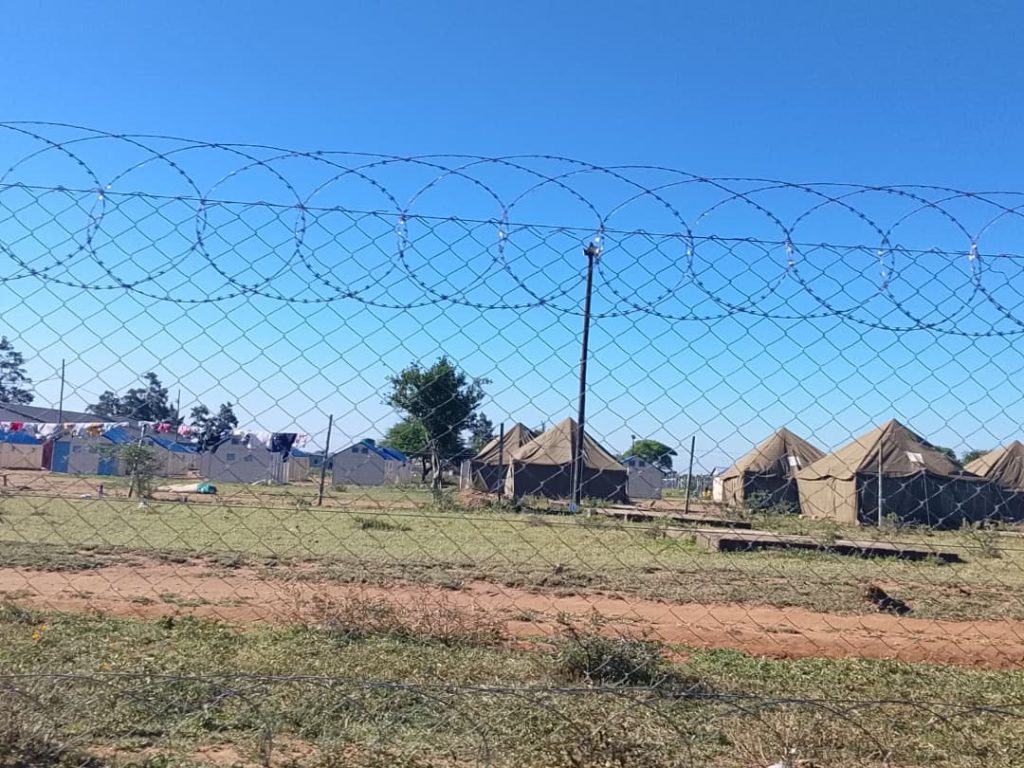
MPAKA – Malindza Refugee Reception Centre is grappling with rising arrivals from several African countries.
In the past two weeks alone, 18 foreigners reportedly registered at the centre, according to a source familiar with its operations. This brings the reported number of arrivals over the past six months to nearly 100.
The figure could not be independently confirmed with the Ministry of Home Affairs. Ministry Communications Officer Mlandvo Dlamini promised to confirm the number of new arrivals recorded at the centre. However, efforts to obtain confirmation were unsuccessful, as his phone rang unanswered from late Thursday until Friday.
Investigation
According to an Eswatini News investigation, many recent arrivals are from Central Africa, particularly Rwanda, the Democratic Republic of Congo (DRC) and Burundi. Others are from East African countries such as Somalia.
Nationals from these countries are said to feature prominently in the registration records. The source said there were few arrivals from neighbouring Mozambique, Malawi and Zimbabwe. This was attributed to the countries’ proximity to South Africa, from where most of the foreigners had fled.
According to the source, the registered arrivals are of different ages and circumstances.
Information provided to this publication suggests that some are elderly. Others are in their 30s and 40s and had established livelihoods before being forced to leave the countries where they had been living, particularly South Africa.
The source also revealed the presence of six players from Eritrea who came to Eswatini to represent their national football team. They later disappeared after the match and reportedly chose not to return to their country of origin.
Further information shared with this publication points to growing tension between Hutus and Tutsis, two ethnic groups historically associated with Rwanda and Burundi, at the centre.
According to the source, some nationals from the two countries are involved in disputes over beliefs and political affiliations. The situation is reportedly threatening to get out of hand, as the centre manager is allegedly failing to resolve it.
However, the source declined to provide further details about the infighting, fearing that doing so could expose his identity. He added that another group, also originating from Central Africa, had been transferred from Mozambique following last year’s political instability.
Many of the recently arrived nationals reportedly worked for textile firms in South Africa, while others were operating informal businesses such as salons, spaza shops and cellphone repair shops.
The source said the arrivals came in groups, with some travelling with their families. Upon reaching Mpaka, they are reportedly taken to Mpaka Police Station, where their details are recorded, before being transferred to the refugee reception centre.
The families include children. However, the timing of their arrival reportedly affected their ability to enrol immediately in local schools because the academic calendar is in its third and final term.
According to the source, those who arrived earlier in the year or at mid-year were enrolled at Mpaka Railway Primary School and Mpaka High School.
Burden
The recent arrivals are reportedly increasing demand for basic needs, including accommodation, food, healthcare and education, while also taking a toll on those seeking refuge.
The source revealed that some refugees, particularly those who previously operated small and medium-sized businesses or worked in informal economic activities, were experiencing emotional and psychological difficulties.
Some have reportedly shown signs of depression. The psychological strain is said to be compounded by uncertainty over whether they will return to their countries of origin or remain in Eswatini legally on a full-time basis.
This publication visited the centre on Tuesday to establish the living conditions of the new arrivals and assess how the facility was coping with the reported influx, but was unsuccessful.
The reception office advised the publication to direct questions concerning the arrivals and operations of the centre to the Ministry of Home Affairs communications office.
Meanwhile, the source said there was growing concern that the facility could come under pressure if the reported increase in arrivals continued.
The concern is partly based on information shared between foreigners already accommodated at the centre and those outside Eswatini. Some recent arrivals are reportedly urging relatives and acquaintances who remain in South Africa to relocate to Eswatini for their safety.
More arrivals are, therefore, anticipated before the end of the year as information about Eswatini’s reception arrangements circulates among foreigners seeking safety.
Explaining the small number of Mozambican nationals, the source said many Mozambicans who had lived in Eswatini for years had established support networks outside the formal refugee system.
Therefore, rather than seeking accommodation at Malindza, some reportedly turn to relatives, friends and fellow Mozambicans who have already established themselves in the country.
The source said some Mozambicans who initially entered the refugee system had eventually acquired Eswatini citizenship through the applicable legal process and established homes after obtaining access to land through traditional authorities in the communities around Mpaka.
Confirmed
Malindza Bucopho Moses Dlamini confirmed that the settlement of Mozambicans in the area was not a recent development.
Dlamini said local residents had generally been accommodating towards Mozambicans who settled in the area, with some families establishing homes and livelihoods over the years. He said this had allowed many of them to integrate into surrounding communities rather than remain dependent on the refugee reception centre. However, the experience is reportedly different for some refugees from Central and East Africa. People from countries such as Somalia, Ethiopia and the DRC often move to Siteki, Manzini and Mbabane after leaving the centre to look for work and connect with established migrant networks.
The countries from which many of the latest arrivals originate also present different political, economic and security circumstances.
For instance, Burundi continues to face political and economic difficulties. The country’s economic challenges include high inflation, fuel shortages and foreign-exchange constraints. The country has also received large numbers of refugees from neighbouring DRC as fighting in eastern Congo has continued.
The DRC, meanwhile, continues to experience armed conflict, particularly in its eastern provinces. Fighting involving the M23 armed group and other armed actors has contributed to displacement and insecurity, with civilians forced from their homes in North and South Kivu.
Rwanda presents a different picture, having maintained relative political stability and recorded economic growth, but the government has continued to face criticism over restrictions on political opposition, civic space and freedom of expression. Somalia continues to face insecurity linked to the activities of al-Shabaab, alongside political tensions between the federal government and regional administrations. Prolonged insecurity, poverty and humanitarian pressures have contributed to continued displacement from the country.
Legal obligations
These circumstances are relevant to Eswatini’s refugee system because the country’s legal obligations provide protection for people fleeing persecution, armed conflict and events that seriously disturb public order. The Refugees Act of 2017 gives domestic effect to the 1951 United Nations Convention Relating to the Status of Refugees, the 1967 Protocol Relating to the Status of Refugees and the 1969 Organisation of African Unity (OAU) Convention Governing the Specific Aspects of Refugee Problems in Africa.
The OAU Convention broadens the definition of a refugee to include people compelled to leave their countries because of external aggression, occupation, foreign domination or events seriously disturbing public order. Eswatini’s refugee law, therefore, distinguishes between people who arrive seeking protection and those who have already been formally recognised as refugees. A person who arrives in the country and applies for protection is an asylum seeker until the application has gone through the prescribed refugee status determination process. Registration at the reception centre does not, on its own, mean that an individual has already been granted refugee status.
Furthermore, the country’s legal framework incorporates the principle of non-refoulement, which protects people from being returned to places where their lives, safety or freedom could be threatened in circumstances covered by refugee law. Information obtained suggests that some refugees had indicated a willingness to return to their home countries once they were financially stable, while others reportedly said they did not want to return. Efforts by Eswatini News to speak to some of the refugees encountered between the centre and supermarkets in Mpaka were unsuccessful. Those approached declined to speak to the publication, saying they were not allowed to speak to the media.
The latest movement towards Malindza has largely been linked to developments in South Africa, where renewed campaigns against undocumented foreigners have contributed to an increasingly hostile environment for some migrants. The March and March movement has been central to recent anti-immigration mobilisation. It has called for stricter enforcement of immigration laws, tighter border controls and action against undocumented foreigners. March and March leader Jacinta Ngobese-Zuma has rejected allegations that the movement targets foreigners because of their nationality.
She maintained that its campaign focused on illegal immigration and the enforcement of South Africa’s immigration laws. The campaign has nevertheless unfolded against a wider history of xenophobic attacks and hostility towards migrants in South Africa. Foreign-owned businesses, including spaza shops, have frequently been caught up in such tensions, while foreign workers have also faced hostility.