MBABANE – With concerns over fake doctorates in Eswatini and neighbouring countries growing, who exactly is to blame?
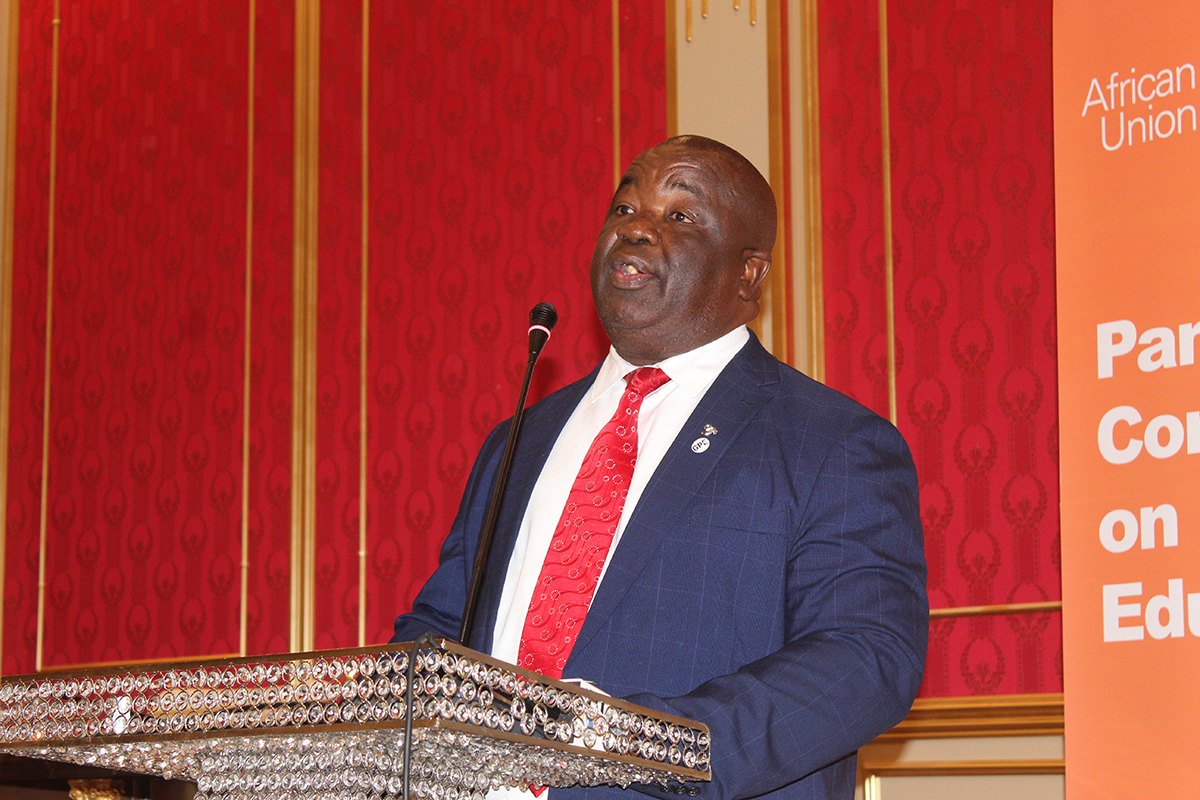
Minister for Education and Training Owen Nxumalo has said that it is the universities themselves that approach individuals and offer them honorary doctorates.
In fact, the minister claims to have also been once approached by a prominent South African university that wanted to honour him with a doctorate. The minister said this in Parliament yesterday when he presented the Eswatini Qualifications Framework Bill, 2026, to members of the ministry’s portfolio committee. During the session, MPs raised concerns about the rise of unaccredited ‘fly-by-night’ institutions and dubious degree mills awarding bogus honorary doctorates and professorships.
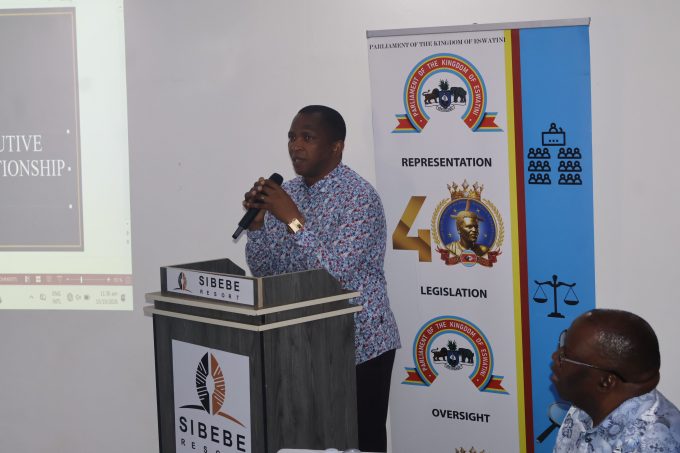
Nxumalo said the proposed legislation would introduce stricter controls on qualifications, including honorary doctorates, and empower the Eswatini Qualifications Authority (EQA) to verify and regulate them. He explained that universities were often responsible for approaching individuals with offers of honorary doctorates, sometimes as a way of recognising their public profiles and contributions to society.
The minister revealed that he once turned down such an offer during the era of the late former Prime Minister (PM)Barnabas Dlamini.
He said the university had approached him when he was serving as a manager and mayor and had considerable influence.
“I decided that I would just upgrade the degree that I had,” Nxumalo said, explaining that he preferred to advance his academic qualifications rather than accept an honorary doctorate. He added that the late PM strongly opposed the practice, considering questionable doctorates an embarrassment to those who had earned their qualifications through legitimate academic pursuits.
Nxumalo said the new law would change the situation because the EQA would have greater powers to scrutinise honorary doctorates and verify the qualifications of those who received them.
He noted that some people, including prominent footballers, artists and individuals known for their community work, were often given the title ‘Dr’ despite not having earned doctoral degrees through conventional academic study.
The minister said the intention was not to discredit individuals who had made meaningful contributions to society, but to ensure that qualifications and titles were properly regulated. The debate also exposed concerns among MPs about colleges allegedly admitting students with inadequate entry qualifications, producing graduates who later enter the teaching profession. Ngudzeni MP Charles Ndlovu questioned whether the Bill would help eliminate institutions that admitted students with as little as one credit before awarding them qualifications that enabled them to become teachers. He said the practice was worrying because it had implications for the quality of education received by children. Ndlovu said there were concerns about institutions that continued to mushroom across the country, admitting students with poor academic results and eventually producing teachers who were entrusted with educating children.
He wanted to know whether the proposed legislation would help prevent such institutions from operating and ensure that the qualifications held by teachers met the required standards. The MP also raised concerns about youth unemployment, asking whether the verification of qualifications would make it easier for emaSwati to secure employment opportunities abroad.
He questioned whether improving the credibility of local qualifications would enable graduates to export their skills and knowledge to other countries instead of remaining unemployed at home.
Ndlovu further asked whether the framework could help restore Eswatini’s reputation as a destination for international students. He recalled a time when the University of Eswatini (UNESWA) attracted students from neighbouring countries, including Botswana, but said the situation appeared to have changed.
He asked whether the country would be able to attract foreign students again once the qualifications awarded by its institutions were properly regulated and recognised. Lubombo MP Futhi Ngcamphalala also sought clarity on what would happen to qualifications that had already been issued when the proposed legislation came into effect. She asked whether the Bill would affect existing certificates or apply only to qualifications awarded after its implementation. Ngcamphalala also questioned whether the ministry had sufficient personnel to carry out all the responsibilities provided for in the legislation. She wanted to know whether the necessary qualified personnel were already available to ensure compliance and whether private institutions would also be regulated under the proposed framework.
Mhlambanyatsi MP Dr Bonginkhosi Dlamini welcomed the government’s efforts to improve the education system, saying the country needed to be confident that the qualifications it produced were legitimate. However, he said the growing number of people calling themselves doctors and professors had become a concern, particularly for those who had spent years pursuing academic excellence to earn their qualifications. He questioned whether the proposed law would address the situation involving people who suddenly acquired titles such as ‘Dr’ and ‘Professor’ without clear evidence of the academic qualifications behind them. The MP also raised the issue of religious leaders who were referred to as doctors or professors, asking whether the proposed authority would have the power to scrutinise such titles.
Dlamini further called for the verification of qualifications obtained outside the country, saying it was important to establish whether certificates held by emaSwati who studied abroad were authentic. He said qualifications needed to be recognised internationally to ensure that graduates could compete for opportunities beyond Eswatini’s borders. Motshane MP Wilton Nkambule welcomed the Bill, particularly its potential to ensure that people who acquired technical and vocational education and training (TVET) skills received the appropriate certification.
He said the legislation was long overdue, especially for people who acquired practical skills, but needed recognised certification to demonstrate their competencies.
However, Nkambule questioned whether the recognition of these qualifications would translate into better salaries for the affected workers. He wanted to know whether people whose skills were formally recognised would also receive appropriate remuneration for their work.
Responding to the concerns, Nxumalo said the ministry had encountered cases in which teachers’ qualifications could not be verified, prompting a review of their employment status. He explained that the Eswatini Higher Education Council (ESHEC) was responsible for accrediting higher education institutions, including foreign-operated colleges, while the EQA was responsible for verifying qualifications. According to the minister, some institutions had received accreditation before admitting students whose entry qualifications were inadequate. He said this became a problem when the ministry began verifying teachers’ certificates before renewing their contracts.
Nxumalo explained that the ministry had decided against immediately punishing the affected teachers because they had been given hope of employment after enrolling at the institutions.
Instead, the ministry decided that they should be given an opportunity to upgrade their qualifications, as they were now facing difficulties because of the verification exercise. The minister said the EQA had questioned how some teachers had gained admission to university with only one credit. He said the verification of qualifications was now a requirement before the Teaching Service Commission could renew the contracts of teachers. Nxumalo maintained that the intention was to ensure that the qualifications held by teachers were authentic and met the required standards. He said the EQA was now expected to work closely with ESHEC to ensure that qualifications were verified and institutions operated within the required standards. The minister added that private colleges would also be subject to verification under the proposed law.
He said strengthening the regulation of qualifications could improve the credibility of local graduates, attract international students and expand employment opportunities for emaSwati. Regarding the recognition of qualifications obtained abroad, Nxumalo said the country wanted to improve the standing of its education system and ensure that its qualifications could compete internationally. He also explained that the Government intended to develop its own certificate at a higher level, noting that the country was currently at Level 3 and wanted to progress to Level 4. Nxumalo said the introduction of A-level qualifications was among the measures intended to improve the country’s international recognition and competitiveness. On the issue of honorary doctorates, he said the new law would give the EQA greater powers to scrutinise qualifications and verify honorary awards.
He maintained that it was often universities that approached individuals with offers of honorary doctorates and that the proposed legislation would help ensure that such awards were properly regulated.
During the discussion, committee chairperson and Sithobela MP Manqoba Sihlongonyane jokingly told the minister that he had missed an opportunity to become ‘Dr Handsome’. “You wasted your chances, you could have become ‘Dr Handsome’. You might have been still young!” Sihlongonyane said in jest.