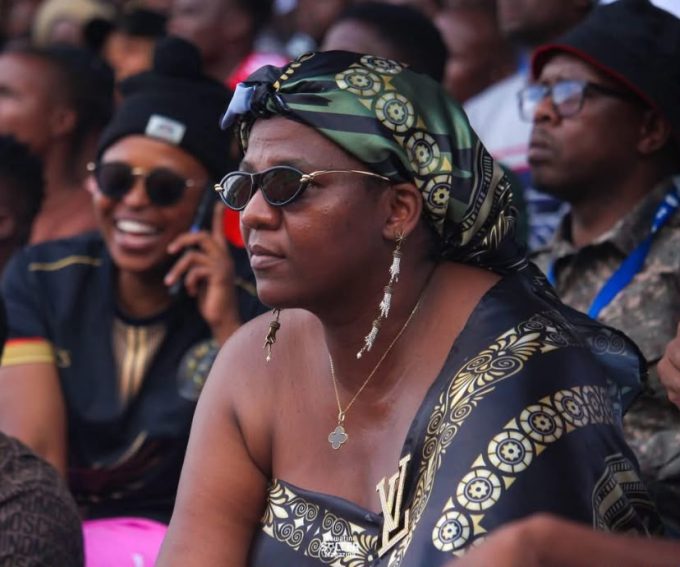
MANZINI – Breast cancer survivor Bhekiwe Zwane has urged emaSwati to speak openly about cancer and seek medical attention early after undergoing surgery to have both breasts removed.
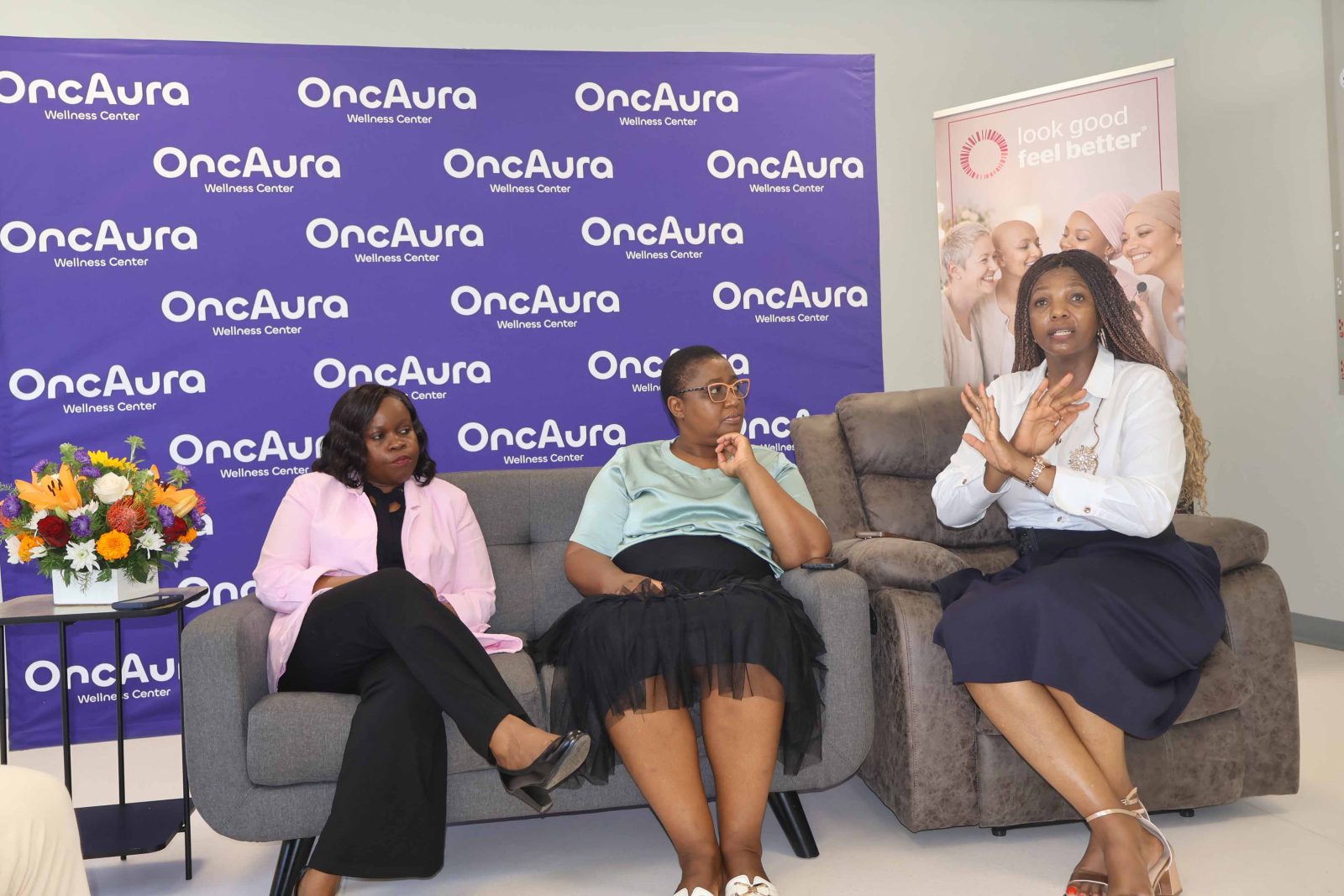
Now aged 44, Zwane was diagnosed with breast cancer in 2022 at the age of 41. She shared her experience during a breast cancer awareness talk at OncAura Wellness Centre on Friday, saying survivors could offer hope to people facing the disease.
Zwane said her symptoms initially appeared to be minor breast pain, which she attributed to the way she slept while recovering from COVID-19.
She had been hospitalised for 10 days in 2021 after contracting the virus. During her recovery, she sometimes experienced pain in one breast when touching it or accidentally bumping into something.
She initially believed the discomfort could have been caused by sleeping on her stomach during her COVID-19 treatment.
However, when she consulted her doctor in 2022, a scan revealed a lump. Although it did not initially appear to be cancerous, her doctor recommended monitoring it.
The pain later became severe, striking even when she was sitting at her desk without touching her breast.
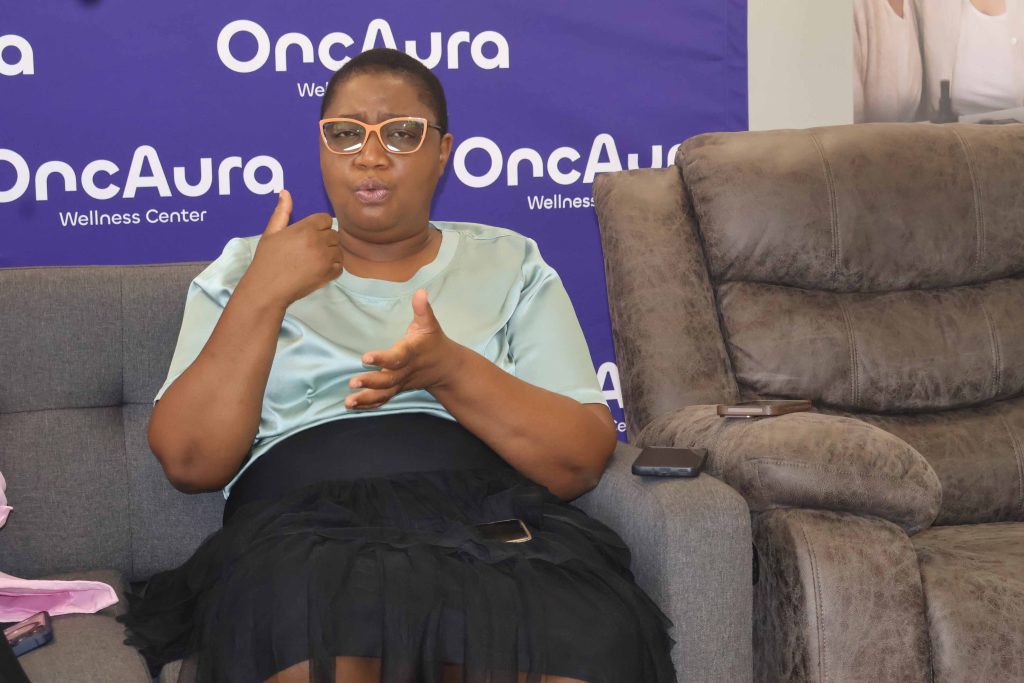
She subsequently went to hospital, where she underwent further examinations, including a mammogram and an ultrasound. Her doctor then referred her for additional tests at Knowsbright. Zwane said waiting for results at different stages of the investigation was among the most difficult parts of her experience. Doctors had to establish the type of cancer, how aggressive it was and whether it had spread to other parts of her body. She described the uncertainty as emotionally draining, saying she often wished the investigations could be completed immediately so that the cancer could be removed. “Everything else that was happening in my body, even a cough, felt like, ‘Oh no, this thing has moved to my throat now. I am going to die’,” she recalled.
Doctors eventually recommended removing both breasts. According to Zwane, one breast had extensive lumps, while the other had very small lumps that were difficult to sample for a biopsy. The medical team also considered the possibility that she might require another operation if the suspicious lumps in the other breast were later found to be cancerous. She said the decision was, therefore, made to remove both breasts during the same operation.
Reflecting on her experience, Zwane said emotional support was essential for people undergoing cancer investigations and treatment.
She urged families, friends and colleagues to listen to patients without increasing their anxiety by recounting frightening stories about other people who had died from the disease.
During her treatment, she kept her diagnosis private at work, with only her boss knowing what she was going through.
She said she feared that colleagues, although well-intentioned, might share distressing experiences involving relatives who had died from cancer, adding to the uncertainty she was already facing.
She only disclosed her experience to colleagues after completing that stage of her journey.
Zwane said supporting someone with cancer did not necessarily mean offering advice or sharing other people’s experiences. Sometimes, listening, being present and respecting the person’s privacy could make a difference.
She added that patients should not be pressured to disclose their diagnoses publicly before they are ready. However, she decided to share her own story because she struggled to find people in Eswatini who spoke publicly about surviving cancer when she was diagnosed.
She believes the silence surrounding the disease can leave newly diagnosed patients feeling isolated and frightened, particularly when they cannot identify people who have undergone treatment and survived.
“As emaSwati, we need to change this thing of going through things secretly,” she said.
Zwane said open conversations about cancer could give patients hope, encourage them to seek medical attention and help families understand that a diagnosis did not automatically mean death.
She also recalled the fear of dying before she could raise her child, saying uncertainty about her future had been emotionally difficult.
She encouraged survivors to share their experiences when they felt ready, while allowing those still undergoing treatment the space to cope in their own way.
Zwane further urged men to speak openly about cancers affecting them, including colon cancer, saying survivors’ experiences could encourage others to seek medical attention.
She called on emaSwati to support people diagnosed with cancer, respect their privacy and create an environment in which seeking medical assistance and sharing experiences were not sources of shame.